Which stainless steel grades and standards do you produce?
We weld 201 (high-copper), 304, 304L, 316 and 316L to ASTM A554 for ornamental and structural work, with ASTM A249 / A269 dimensional practice available, plus EN 10217-7 and JIS G3446 equivalents on request. Each heat ships with a mill test certificate covering chemistry, tensile strength, elongation and flattening results, so your incoming inspection has traceable data.
What tolerances can you actually hold on welded tube?
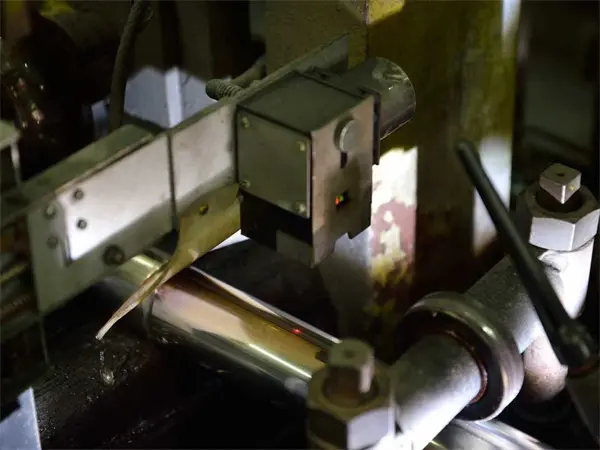
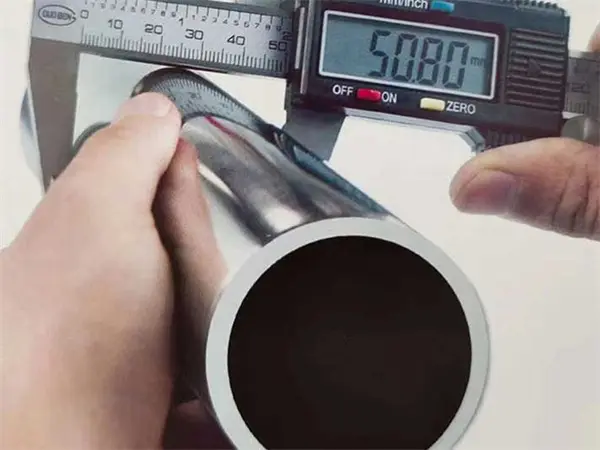
Standard outside-diameter tolerance is ±0.10 mm, tightened to ±0.05 mm on precision runs such as conveyor roller shells and plating substrates. Wall thickness is held to ±8%, straightness to 1 mm/m and squareness of square sections to ±0.5°. Roundness, diagonal, surface and straightness data are logged in-line on every mill rather than sampled at the end of the shift.
Why do 304 tubes rust in coastal or bathroom environments?
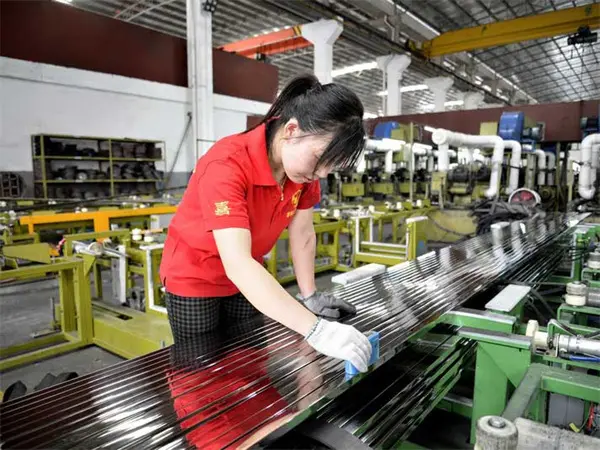
Chloride ions break down the passive chromium-oxide film on 304, producing pitting and the brown "tea-staining" buyers often report. For coastal, spa and outdoor shower projects we recommend 316L, whose 2–3% molybdenum content passes more than 500 hours of neutral salt spray. Equally important, we pickle and passivate the weld zone — free iron smeared across the seam during forming is the most common origin of surface rust on otherwise correct material.
Why do my tubes crack when bent to 90°?
Three causes dominate the failures we investigate: insufficient material ductility (over-hardened 201 strip), a brittle or under-fused weld seam positioned at the outer bend radius, and wall thickness too thin for the chosen centreline radius. We supply bending-grade strip with controlled elongation, rotate the seam to the neutral axis on request, and will recommend a minimum radius for your wall and OD before you cut tooling.
What is your MOQ, lead time and packing standard?
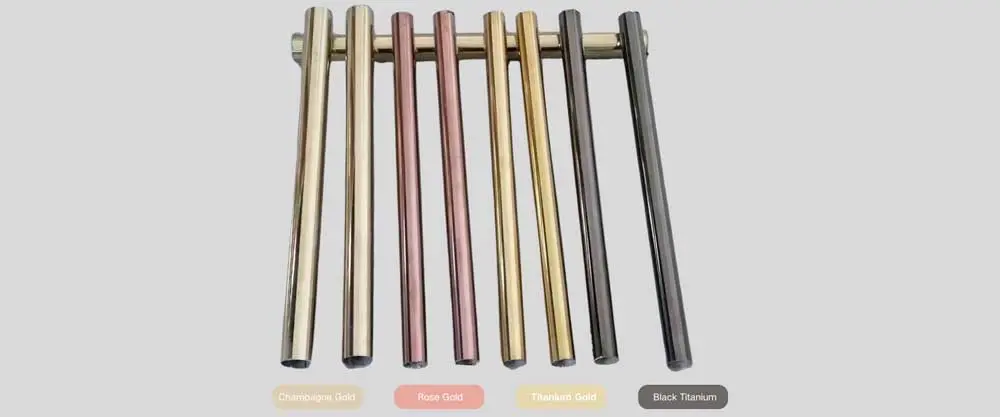
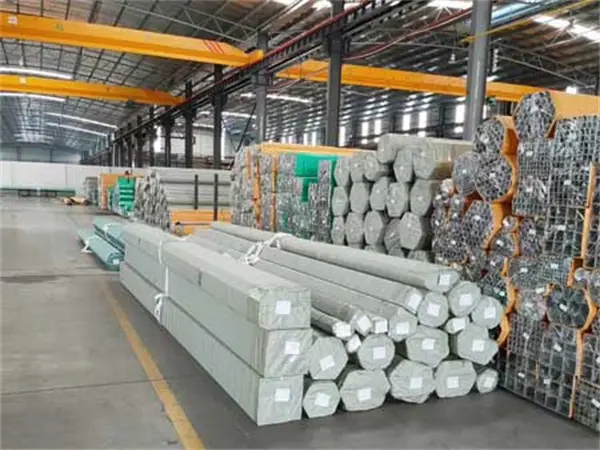
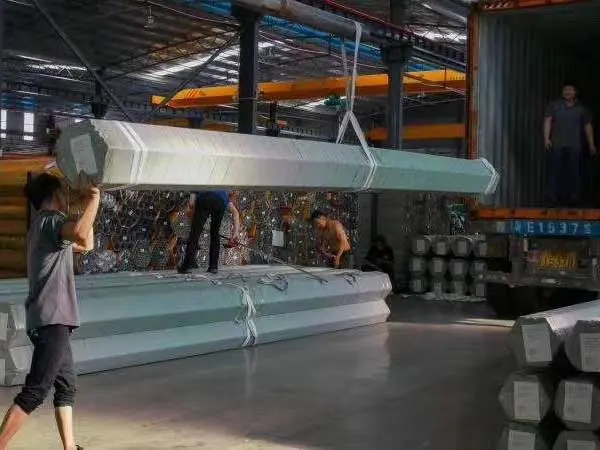
MOQ is 500 kg per size and finish for standard items and 1 tonne for custom profiles or PVD colours. Typical production lead time is 15 days after sample and artwork approval. Tubes are individually sleeved against scratching, then packed in gunny bags, corrugated plastic sheets, wooden crates or iron frames depending on transit mode and destination handling.
Can you supply finished components instead of mill lengths?
Yes. In-house secondary processing covers CNC cut-to-length, mandrel bending, end flaring, necking, punching, laser slotting and deburring. Furniture, sanitary and hardware customers frequently receive assembly-ready parts, which removes a fabrication step and the associated scrap from their own plant.