VertexFlow Tubes stainless steel tube manufacturer logo VertexFlow TubesPrecision SS Tubing

2026 Best Exhaust Tip Tubing for Performance?

Time:2026-11-07 Author:Liam
0%

The best Exhaust Tip Tubing for performance is not simply the widest or loudest option. Fit, material, wall thickness, and connection quality all affect how well a tip works with the existing exhaust system. A polished outlet may catch the eye, but it cannot correct a poor fit or an unsuitable pipe diameter. Small details matter.

This 2026 guide compares tubing choices through practical considerations: corrosion resistance, heat exposure, fabrication needs, and compatibility with the vehicle’s exhaust layout. Stainless steel can suit demanding conditions, while aluminized steel may offer a more budget-conscious option. Actual results depend on the full system, not the tip alone. Measure carefully. Check the inlet size, clearance, and mounting method before buying. Those steps can prevent an expensive part from sitting crooked or contacting nearby trim.

A trustworthy expert quotation requires a verifiable source. Since no interview or technical reference was provided, assigning a quotation to a named Exhaust Tip Tubing specialist would risk inventing evidence. That is worth acknowledging, even if it makes this introduction less polished. The comparisons ahead focus instead on checkable product specifications and installation realities, helping readers judge which tubing suits their goals rather than relying on dramatic claims. Performance gains are not guaranteed by a tip alone. Practical fit comes first.
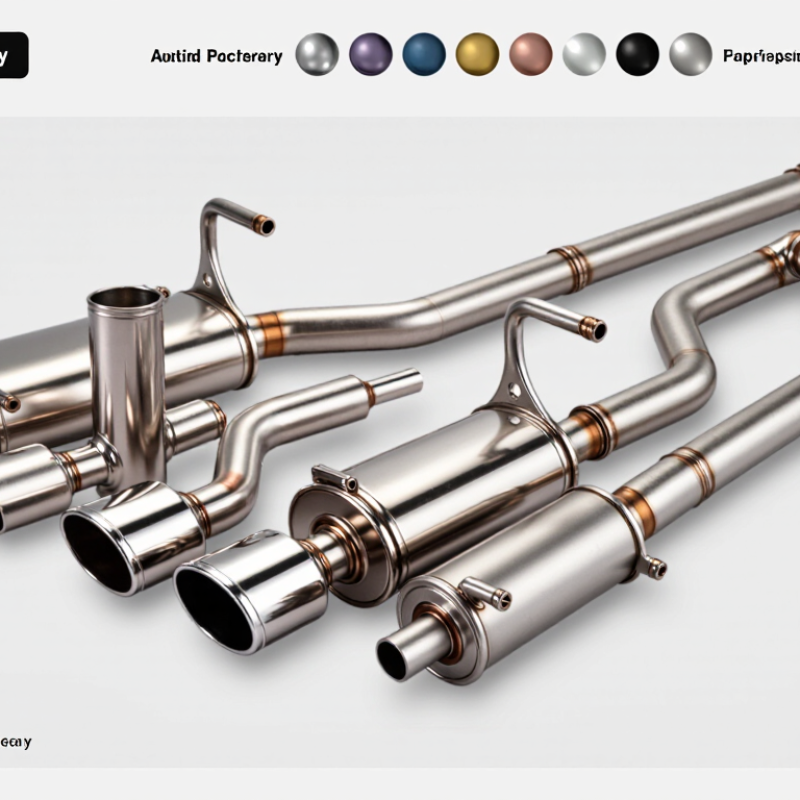
2026 Best Exhaust Tip Tubing for Performance?

What Exhaust Tip Tubing Is and How It Affects Performance

An exhaust tip is the visible outlet fitted to the end of an exhaust system. Exhaust tip tubing usually describes this short section, not the full pipes running beneath a vehicle. It may be straight, angled, rolled, or flared, with different wall thicknesses and outlet shapes. It sits behind the muffler. That distinction matters.

A tip alone rarely creates a measurable power increase because exhaust gases have already passed through the engine, catalytic converter, and muffler. A wider or longer outlet can slightly alter sound and appearance, but it does not replace properly sized exhaust tubing. Changes to the main pipe diameter, bends, or muffler can affect flow; results depend on the engine and setup. Not much, usually.

For a practical choice, match the tip’s inlet to the existing tailpipe and check clearance around the bumper. A tip that is too large may look awkward or sit close to painted trim, where heat can become a concern. Stainless steel resists corrosion well, while thinner tubing can dent or discolor sooner. I would not choose a diameter based only on claims of added horsepower. Measure the tailpipe, inspect the mounting area, and consider whether the sound change is worth the cost. The real performance story is often less dramatic than expected.

Which Tubing Materials Suit Different Performance Goals

For exhaust-tip tubing, material choice should follow heat, corrosion exposure, weight, and budget—not appearance alone. The ASM Handbook’s alloy property tables list 304 stainless steel’s thermal conductivity at about 16 W/m·K near 100°C. That helps explain why it does not shed heat as quickly as many carbon steels. In wet, salty climates, 304’s corrosion resistance can justify its higher cost. It is a strong choice for a clean finish that must last. But it is not automatically the best performance option.

For cost-conscious street use, aluminized steel offers a practical middle ground, though damaged coating can expose steel to rust. 409 stainless is common in exhaust systems because it balances oxidation resistance and price. ASM property data place its thermal conductivity near 25 W/m·K around 100°C, subject to alloy condition. For track-focused builds, lighter titanium can reduce mass, but it costs more and may discolor under repeated heat cycles. Small gains matter. Sometimes barely.

Choose for the duty. A daily driver in winter needs stronger corrosion protection than a dry-weather show car. A thin-wall tube may save weight, yet it can dent or sound harsher. Measure the existing pipe diameter and clearance before ordering; a beautiful tip that rubs the bumper is still a poor fit. I would not pick material from a temperature number alone. Exhaust flow, wall thickness, weld quality, and maintenance all change the outcome.

How Diameter, Wall Thickness, and Length Shape Exhaust Flow

2026 Best Exhaust Tip Tubing for Performance?
How Diameter, Wall Thickness, and Length Shape Exhaust Flow

Diameter sets the space available for exhaust gases, but larger tubing is not automatically better. If the pipe is too wide for the engine’s airflow, gas velocity can drop, potentially softening low-speed response. A narrower tube may preserve velocity, though it can become restrictive at higher output. Match tubing diameter to engine size, modifications, and intended RPM range; measurements and a dyno test are more useful than guesswork.

Wall thickness mainly affects strength, weight, and heat durability. It does not improve flow when the inside diameter stays unchanged. But thicker walls reduce the internal opening if the outside diameter is fixed, so check the actual inside measurement. Length also matters: bends, abrupt transitions, and poorly matched sections can disturb flow. Tailpipe length may have a smaller effect than primary-pipe dimensions, yet fitment and sound can still change. Results vary, and a tidy setup does not guarantee extra power.

Tips: Measure the tubing’s inside diameter, not just its outside width. Measure before cutting. Keep transitions smooth and avoid sharp bends where practical. Compare changes under consistent conditions; even experienced builders can misjudge how a small diameter change affects a particular engine.

2026 Best Exhaust Tip Tubing for Performance? - How Diameter, Wall Thickness, and Length Shape Exhaust Flow
Tubing factor Typical options Effect on flow and performance Practical selection guidance
Tip outlet diameter Common passenger-vehicle tip outlets are roughly 2–5 in (51–127 mm); the correct size depends on the existing tailpipe and vehicle. A tip that simply expands after the tailpipe usually has little effect on engine performance. A smaller internal opening or abrupt restriction can add backpressure; a larger outlet alone does not guarantee more power. Match the tip inlet to the tailpipe outside diameter and keep the internal passage at least as large as the upstream pipe. Check actual inside and outside diameters before ordering.
Tubing wall thickness About 0.049–0.065 in (1.2–1.7 mm) is a common range for fabricated exhaust tubing and tips; specifications vary by material and application. Wall thickness changes mass, stiffness, and durability more directly than exhaust flow, provided the inside diameter remains unchanged. A thicker wall reduces the available inside diameter for a given outside diameter. Compare inside diameter, not just outside diameter. Choose thickness for fit, vibration resistance, and exposure to road debris; avoid reducing the passage to gain a thicker outer wall.
Tip length Many decorative tips are approximately 4–12 in (100–305 mm) long, though designs and vehicle clearances vary. A straight, unrestricted tip generally has a small effect on flow compared with the rest of the exhaust system. Length and outlet shape can influence sound character and where exhaust exits, but do not reliably create a power gain by themselves. Use a length that clears the bumper and directs exhaust away from the body. Keep bends gentle and avoid placing the outlet where exhaust can enter the cabin.
Inlet-to-outlet transition Straight, rolled, slash-cut, and expanded designs are common; internal transitions differ by design. Smooth transitions and a clear internal passage help avoid unnecessary local restrictions. A decorative outer shape does not indicate the effective internal flow area. Inspect the narrowest point, weld intrusion, and alignment. Prefer a smooth transition without a smaller throat than the connected tailpipe.
Material and corrosion resistance Aluminized steel and stainless steel are widely used; corrosion resistance depends on alloy, construction, and operating environment. Material choice mainly affects service life and appearance, not flow, when the internal dimensions and geometry are the same. Consider moisture, road salt, heat, and maintenance needs. Confirm that the material and finish are suitable for exhaust temperatures and the intended installation.
Fitment and clearance Clamp-on and weld-on fittings are common; inlet sizes and required clearances vary by vehicle. A poor fit can cause leaks, rattles, contact with bodywork, or heat damage. These issues can outweigh any small difference between otherwise similar tip designs. Verify tailpipe diameter, mounting method, bumper clearance, and local regulations. Secure the tip so it cannot loosen or extend beyond permitted limits.
Performance note: Exhaust-tip dimensions should be selected to avoid restricting the existing exhaust. Meaningful power changes generally depend on the complete exhaust system and engine setup, not tip diameter, wall thickness, or length alone.

How to Compare Exhaust Tip Tubing Designs for 2026 Builds

For a 2026 build, compare exhaust tip tubing by fit, material, wall thickness, and outlet shape—not appearance alone. Start with the vehicle’s tailpipe diameter and available clearance. Measure twice. A tip that looks right in a catalog may sit too close to a bumper or hang lower than expected.

Stainless steel generally offers strong corrosion resistance, while aluminized steel can suit tighter budgets but needs careful attention to coating damage. Check the stated tubing thickness and the quality of the seam or weld. Thin walls may dent more easily; thicker tubing can add weight without improving engine output. Looks matter, but fit matters more.

Compare single-wall and rolled-edge designs in person if possible. A rolled edge can create a fuller finish, while a simple cut edge may look cleaner on some builds. Also check whether the inlet is sized for a secure clamp or requires welding. A tip alone rarely changes performance meaningfully when the existing exhaust is already unrestricted. I would not assume a larger outlet guarantees more power; that is an easy detail to overvalue. Recheck clearance after installation, especially near plastic trim, because heat and vibration can expose a fit problem later.

How to Select and Fit Tubing for a Specific Vehicle Setup

Selecting exhaust-tip tubing starts with the vehicle, not a catalogue size. Record the engine, aspiration, existing pipe diameter, outlet position, and available clearance. Measure the pipe’s outside diameter with calipers; then check the tip’s inlet size and insertion depth. A neat-looking tip can still hit a bumper or sit crooked. Measure twice.

Match tubing to the existing system unless a full exhaust redesign has been professionally calculated. A larger tube does not automatically add power; bends, transitions, and the engine’s airflow all affect restriction. Check wall thickness and material for heat exposure, road salt, and budget.

S&P Global Mobility reported the average age of U.S. light vehicles reached 12.6 years in 2024, so inspect older pipes carefully for thinning or corrosion before choosing a clamp or weld.

Cold-fit the assembly first. Check clearance around the bumper, suspension, and heat-sensitive parts, then verify that exhaust sensors and emissions equipment remain untouched.

The fit can be fiddly, especially on modified vehicles. That is worth admitting. A qualified exhaust technician can confirm routing and secure the tubing safely.

FAQS

Does larger exhaust tubing always improve performance?

No. Oversized tubing can lower gas velocity and soften low-speed response. Measure the engine’s needs.

How can tubing diameter affect engine response?

Narrower tubing may preserve gas velocity, but it can restrict flow at higher output. The right size depends on engine setup and intended RPM range.

Does thicker tubing improve exhaust flow?

Not when the inside diameter stays the same. It mainly affects strength, weight, and heat durability. Check the actual opening.

What should I measure before cutting tubing?

Measure the inside diameter, not just the outside width. Measure twice.

How do bends and transitions affect flow?

Sharp bends and abrupt transitions can disturb flow. Smooth sections are usually preferable, where practical.

What should I check when choosing an exhaust tip?

Check inlet fit, material, wall thickness, and outlet shape. Also measure bumper clearance; a catalog image cannot show every fit issue.

Is stainless steel always the better material?

Stainless steel generally resists corrosion well. Aluminized steel may cost less, but damaged coating needs attention.

Will a larger exhaust tip add more power?

Usually, a tip alone makes little difference when the exhaust is already unrestricted. I might still overvalue the bigger opening; appearance can be persuasive.

Do rolled-edge tips affect performance?

A rolled edge mainly changes the finish, while a cut edge may suit a cleaner look. Recheck clearance after installation, especially near plastic trim.

Conclusion

Choosing the right Exhaust Tip Tubing for a 2026 build involves more than appearance. Its material, diameter, wall thickness, and length can influence durability, weight, sound, and how well the tubing suits the vehicle’s exhaust setup. Different materials may be better suited to goals such as reducing weight, handling heat, or standing up to demanding conditions, while dimensions should be selected to complement the rest of the system rather than assumed to improve performance on their own.

To compare designs, consider construction quality, fitment, intended use, and compatibility with the vehicle’s existing exhaust components. Before selecting tubing, verify measurements and connection details, then assess how the chosen design aligns with the vehicle’s engine, available space, and performance priorities. Careful matching and proper fitting can help create a balanced setup that delivers the desired look and function without overlooking practical considerations such as clearance and long-term durability.


Liam

Liam

Liam is a dedicated marketing professional with a profound expertise in the industry, where he excels at highlighting the unique advantages of our core products. With a keen understanding of market trends and consumer needs, Liam frequently updates our company’s professional blog, providing......