VertexFlow Tubes stainless steel tube manufacturer logo VertexFlow TubesPrecision SS Tubing

How to Choose Bus Handrail Tubing for Global Sourcing?

Time:2026-10-08 Author:Mason
0%

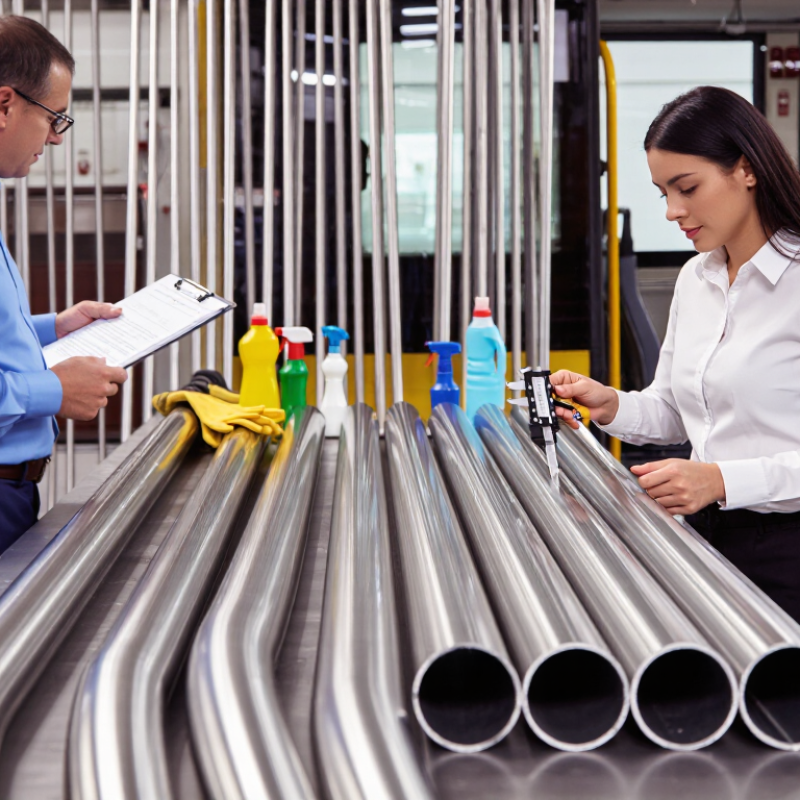
Choosing Bus Handrail Tubing for global sourcing requires more than comparing prices, diameters, and surface finishes. The tubing must support daily passenger contact, repeated vibration, changing climates, and demanding cleaning routines. A polished sample may look excellent under warehouse lighting. It may perform differently after years of moisture, impact, and disinfectant exposure.

Transit interior engineer and sourcing consultant David Chen observes, “A tube is never just a tube; it is a daily safety decision.” This practical view shapes the entire selection process. Buyers should examine material grade, wall thickness, weld quality, bend accuracy, corrosion resistance, and grip comfort. Small differences matter. A rough seam can damage a passenger’s hand. Poor tolerances can complicate installation.

Global sourcing adds another layer. Suppliers may use similar terms for stainless steel, aluminum alloys, coatings, and polishing levels. The specifications must be measurable, not decorative. Ask for dimensional reports, material certificates, coating information, sample inspections, and production photographs. Confirm how the supplier controls batch consistency.

Do not trust one perfect sample.

A useful specification should also reflect the real bus environment. Consider temperature swings, road vibration, frequent cleaning, glove use, and contact with skin oils. Cost still matters, but the cheapest tubing can create replacement work and passenger complaints. That risk is easy to underestimate.

Some decisions remain imperfect. Supplier documents may be incomplete, and testing budgets may be limited. Even so, structured verification provides a stronger foundation for selecting Bus Handrail Tubing that is safe, durable, comfortable, and suitable for international production.
How to Choose Bus Handrail Tubing for Global Sourcing?

Understanding Bus Handrail Tubing Requirements

How to Choose Bus Handrail Tubing for Global Sourcing?

Understanding bus handrail tubing requirements starts with passenger safety. The tube must withstand repeated pulling, pushing, vibration, and sudden braking. Measure the required outside diameter, wall thickness, length, and bending radius before requesting quotations. These details affect grip comfort, structural strength, and production cost. Stainless steel, aluminum, and coated steel offer different advantages. Stainless steel resists corrosion well, while aluminum reduces vehicle weight. Coated steel may provide value, but surface damage needs careful inspection.

Check the installation environment, too. A tube used near doors may face moisture, cleaning chemicals, and frequent contact. Ask suppliers for material certificates, dimensional reports, weld inspection records, and corrosion test results. Sample testing should include load resistance and fit checks with the actual brackets. A drawing may look correct. The assembly can still fail. I have seen sourcing plans focus heavily on price, then discover that a small diameter mismatch delays installation. That mistake is avoidable, although specifications sometimes need revision after physical testing.

Tips: Define tolerances clearly, not only nominal sizes. Confirm whether the supplier can control bending marks and weld discoloration. Request samples from the intended production process. Compare them under real lighting and hand contact. Local transport regulations may also set requirements for strength, flammability, or passenger contact surfaces. Verify these rules in every target market. Do not assume one specification fits every country. That assumption often needs rethinking.

Comparing Materials for Strength, Safety, and Durability

For global bus projects, handrail tubing must withstand vibration, repeated gripping, moisture, and daily cleaning. Material choice affects strength, safety, weight, and service life. Stainless steel offers strong corrosion resistance and a clean surface. Austenitic grades suit humid routes, although coastal salt and trapped dirt can still cause staining. Aluminum reduces vehicle weight and feels comfortable in the hand. However, it needs careful wall-thickness design because it is less stiff than steel. Carbon steel can provide high strength at a controlled cost, but coating damage may expose the tube to rust. That choice can fail.

The tube is only one part of the safety system. Weld quality, bend accuracy, end caps, and surface finish also matter. Sharp seams or rough welds can injure passengers and weaken under repeated loads. A slightly textured finish may improve grip, especially with wet hands. Highly polished tubing can look excellent but become slippery. I have seen visual quality hide poor dimensional control. Supplier checks should include material certificates, hardness, tensile data, coating thickness, and batch traceability. Samples should face cyclic loading, vibration, humidity, and cleaning chemicals before approval. Salt-spray results alone do not predict real bus service. Ask for tolerances on outside diameter, wall thickness, straightness, and weld penetration. A supplier may promise durability, yet incomplete test records deserve a second look.

Selecting the Right Tube Dimensions and Surface Finish

For global bus sourcing, tube dimensions should match both the handrail load and the passenger experience. Measure the outside diameter, wall thickness, length, and bend radius. A larger tube can improve grip, but it may feel uncomfortable for smaller hands. Common stainless steel tubes often use 25–32 mm outside diameters. The final choice depends on the vehicle layout and mounting method.

Wall thickness affects stiffness, weight, welding, and cost. Do not select a thin tube only because it lowers the quotation. It may dent during assembly or vibrate on rough roads. Specify dimensional tolerances clearly, including diameter, straightness, and cut length. Request a physical sample. Drawings can hide awkward edges and poor joints.

Surface finish deserves equal attention. A brushed finish can conceal light handling marks and provide a controlled appearance. A polished finish looks brighter, but fingerprints and scratches become more visible. For frequent cleaning, confirm the finish remains stable after repeated wiping. Ask suppliers to define roughness, grain direction, protective film, and inspection lighting. I have seen specifications that mention “smooth,” yet different factories interpreted it differently. That wording is too weak. Include photographs or approved reference samples. Also check weld blending, end-cap fit, and residue after polishing. Small details matter on a handrail touched thousands of times each day. Some choices still need reconsideration after a trial installation.

How to Choose Bus Handrail Tubing for Global Sourcing?

Selecting the Right Tube Dimensions and Surface Finish

This comparison uses common stainless-steel handrail tube dimensions. Tube mass is calculated from the annular cross-sectional area and a material density of 7.9 g/cm³. Surface roughness values represent practical target midpoints for mill, brushed-satin, and polished finishes; actual results should be confirmed with the supplier’s process capability and inspection report.

For global sourcing, compare outside diameter, wall thickness, calculated mass, required bending strength, corrosion environment, weld quality, and the specified Ra surface-finish range before approving a tube.

Checking International Standards and Supplier Capabilities

How to Choose Bus Handrail Tubing for Global Sourcing?

Checking International Standards and Supplier Capabilities

Choosing bus handrail tubing starts with the destination market, not the supplier’s catalogue. Bus regulations differ across regions. They may address passenger safety, fire behavior, corrosion resistance, dimensions, and anchorage strength. Ask which national or regional standards apply to the finished handrail assembly. ISO 9001 can show a quality management system, but it does not prove product compliance. That distinction is easy to miss.

Request material certificates, dimensional inspection records, coating specifications, and recent test reports. For stainless steel tubing, check the grade, wall thickness, weld quality, and surface finish. For coated steel, ask about pretreatment, coating adhesion, and salt-spray testing. A supplier should explain its test method, sample size, acceptance limits, and laboratory qualifications. Test carefully. A certificate without traceability has limited value.

Supplier capability also appears on the factory floor. Review incoming material controls, tube-bending accuracy, fixture maintenance, batch identification, and final inspection. Can the supplier produce consistent radii without flattening the tube? Can it protect polished surfaces during packing? Ask for pilot samples before approving mass production. I once focused too heavily on unit price and overlooked packaging damage; the rework cost was higher than expected. That lesson still matters. Also confirm production capacity, backup processes, export documents, and response procedures when a batch fails inspection. Availability claims should be supported by records, not promises.

Evaluating Costs, Quality Control, and Global Shipping Factors

Choosing bus handrail tubing for global sourcing requires more than comparing the lowest quotation. Material grade, wall thickness, bending tolerance, surface finish, and protective packaging directly affect total cost. A cheaper tube may create higher rejection rates, rework expenses, or installation delays.

The World Bank’s 2023 Logistics Performance Index shows major differences in customs efficiency, shipment tracking, and delivery reliability across markets. These factors influence landed cost. Request a full cost sheet covering tooling, inspection, inland transport, export handling, ocean freight, insurance, and destination charges. Small details matter. A 0.2-millimeter thickness variation can affect fit and structural performance. Suppliers should provide batch records, dimensional reports, coating tests, and traceable material certificates. Independent pre-shipment inspection is useful, although it cannot replace process control.

UNCTAD’s Review of Maritime Transport 2023 confirms that maritime shipping carries over 80% of world merchandise trade. Therefore, shipping conditions deserve early attention. Compare port options, transit-time variability, container loading methods, and moisture protection. Tubes need separators, end caps, and secure blocking to prevent scratches and deformation. I have seen packaging treated as an afterthought; that judgment is often expensive. Incoterms also require careful review because responsibility for freight, damage, and customs changes between terms. Build a contingency for delays, but avoid excessive inventory. The right balance is difficult. Data helps, yet supplier audits and practical samples reveal problems that spreadsheets miss.

FAQS

What should buyers consider when selecting bus handrail tubing?

Consider strength, corrosion resistance, weight, grip, cleaning, and service life. The destination market matters. Finished assemblies may face different safety and fire requirements.

Is stainless steel suitable for humid bus routes?

Stainless steel resists corrosion and provides a clean surface. Austenitic grades often suit humid environments. Coastal salt and trapped dirt can still create stains. It is resistant, not invincible.

When is aluminum a practical choice?

Aluminum reduces vehicle weight and feels comfortable in the hand. However, it is less stiff than steel. Designers must check wall thickness and bending performance carefully. Light does not mean automatically stronger.

What risks come with carbon steel tubing?

Carbon steel can offer high strength at controlled cost. Coating damage may expose the tube to rust. Inspect pretreatment, coating adhesion, and damaged areas. That choice can fail.

Which handrail details affect passenger safety?

Weld quality, bend accuracy, end caps, and surface finish all matter. Rough welds and sharp seams can injure passengers. They may also weaken during repeated loading. Check every edge.

How should suppliers be evaluated before approval?

Request material certificates, hardness data, tensile results, and batch traceability. Check outside diameter, wall thickness, straightness, and weld penetration. Review factory controls, fixtures, bending accuracy, and final inspection. Promises are not records.

What tests should handrail tubing undergo?

Samples should face cyclic loading, vibration, humidity, and cleaning chemicals. Test grip with wet hands when possible. Salt-spray results alone cannot represent real bus service. I once trusted certificates too quickly.

How can buyers control shipping and packaging risks?

Request costs for tooling, inspection, inland transport, freight, insurance, and destination charges. Use separators, end caps, and secure blocking inside containers. Protect polished surfaces from scratches and moisture. Packaging is not a minor detail.

How can buyers reduce total project cost?

Compare rejection rates, rework, delays, tooling, and installation effort. The lowest quotation may create higher landed costs. Use pilot samples and independent pre-shipment checks. Still, inspections cannot replace process control.

Conclusion

Choosing the right Bus Handrail Tubing for global sourcing requires a careful balance of safety, performance, cost, and supply reliability. Start by defining the operating environment, passenger needs, load requirements, and installation conditions. Compare materials such as stainless steel, aluminum, and coated steel according to their strength, corrosion resistance, weight, cleanability, and expected service life. The best material should support secure passenger movement while remaining practical for manufacturing and maintenance.

Tube dimensions, wall thickness, bending requirements, and surface finish should match the vehicle design and safety expectations. Smooth, durable finishes can improve grip, hygiene, and resistance to wear. Buyers should also confirm relevant international standards, testing procedures, quality-control systems, production capacity, and documentation before selecting a supplier. Finally, evaluate the total sourcing cost, including tooling, inspection, packaging, transportation, customs planning, and delivery schedules. A structured comparison helps ensure consistent quality, predictable supply, and long-term value across different markets.


Mason

Mason

Mason is a seasoned marketing professional with a deep expertise in the company's offerings and a passion for driving brand awareness. With a strong background in digital marketing strategies, he has an innate ability to connect with diverse audiences and effectively communicate product benefits.......