Direct mill shipments engineered for Mexico City contract furniture, architectural hardware, and commercial interior fabricators.
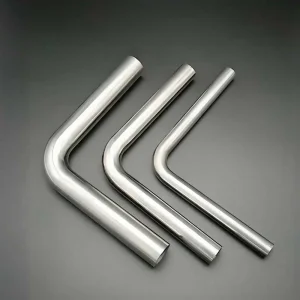
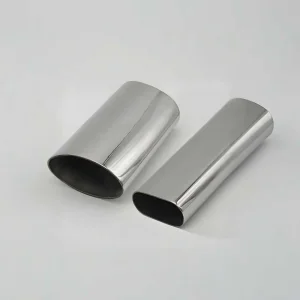
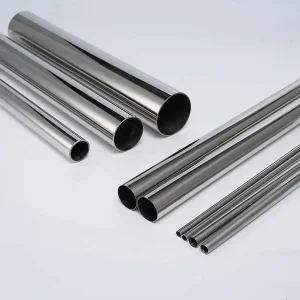
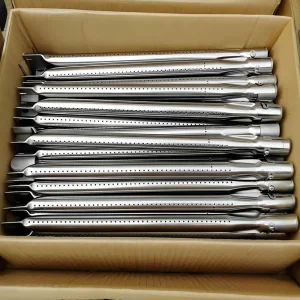
Mexico City (Ciudad de México) represents the undisputed commercial, financial, and design epicenter of Latin America. Driven by rapid urban renewal in districts like Polanco, Condesa, Roma Norte, Santa Fe, and the Paseo de la Reforma corridor, the demand for premium furniture, boutique retail fixtures, high-rise architectural railings, and luxury decor has reached unprecedented levels.
However, sourcing raw material tubing and engineered metal components within Mexico presents specific operational and environmental challenges. CDMX sits at an altitude of over 2,240 meters (7,350 feet) above sea level, characterized by distinct thermal expansion variances, seasonal rainy periods (May to October), intense UV radiation, and high seismic design mandates under the Reglamento de Construcciones para el Distrito Federal. Consequently, architectural metalwork and contract furniture require robust mechanical properties, strict dimensional tolerances, and superior surface passivation to prevent micro-pitting and stress cracking over time.
Supply Chain Insight for CDMX Procurement Directors: Mexico’s nearshoring surge under USMCA (T-MEC) has created localized supply chain bottlenecks across regional industrial parks in Estado de México (Toluca/Tlalnepantla) and Querétaro. CDMX-based brand owners and contract manufacturers increasingly rely on direct OEM mill integration from advanced overseas hubs like Foshan, China to secure volume stability, advanced surface finishes (e.g., PVD titanium coatings), and custom rolled profiles without heavy capital expenditure on local tooling.
High-end hotel developments and corporate headquarters across CDMX mandate 304 and 316L stainless frames capable of maintaining pristine 600# mirror or satin finishes under constant foot traffic and aggressive cleaning cycles.
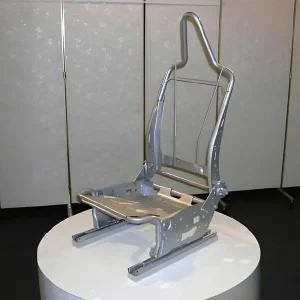
Furniture frames and balustrades installed in multi-story CDMX projects require precise yield strength, tensile consistency, and certified ASTM A554 weld integrity to absorb vibration without weld-seam delamination.
Mexican original equipment manufacturers (OEMs) exporting finished furniture to the US market require 15-day production lead times for specialty tubing profiles to meet rigid North American retail delivery windows.
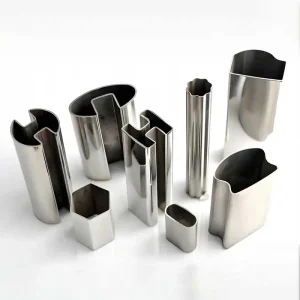
The global furniture and architectural decor sector is undergoing a structural transition. Solid wood and painted mild steel are rapidly giving way to engineered stainless steel profiles (round, square, rectangular, oval, and slotted channels). Stainless steel provides infinite recyclability, zero volatile organic compound (VOC) emissions, superior strength-to-weight ratios, and extreme longevity.
While local workshops in North America and Mexico excel in final custom assembly, raw tube fabrication requires capital-intensive infrastructure. This is where the manufacturing cluster of Foshan, China—represented by industry leaders such as VertexFlow Tubes—delivers unprecedented economic and technical leverage to Mexico City procurement managers.
| Technical Parameter | Standard Regional Sourcing (Local Mills) | Foshan Mill Direct (VertexFlow Advantage) |
|---|---|---|
| Raw Material Origin | Mixed scrap heat numbers, inconsistent chemistry | 100% Prime Strip (TISCO, POSCO, Baosteel certified) |
| Dimensional Tolerance | ±0.15 mm to ±0.25 mm standard | ±0.05 mm (Precision laser controlled online) |
| Surface Polish Options | Basic 180# / 240# Satin; limited mirror options | 180#–320# Satin, 600# Mirror, PVD Titanium Colors |
| Weld Integrity & Shielding | External shielding only; oxidation in bore | Inner Nitrogen Gas Shielding + Plasma Fusion Welding |
| Custom Profile Tooling | High tooling cost ($3,000–$8,000 USD per die) | 500+ Existing Tooling Sets (Zero Tooling Cost) |
| Secondary Fabrication | Straight mill lengths only; buyer cuts/bends | CNC Cut-to-length, Bending, Laser Slotting, Deburring |
By leveraging Foshan's completely integrated industrial chain—from raw strip slitting to automated continuous plasma welding, bright annealing, and multi-stage polishing—Mexico City buyers reduce their total landed cost of materials (COGS) by 22% to 35% while upgrading material specifications from 201 to high-nickel 304 or molybdenum-bearing 316L grades.
Understanding where stainless steel tubing integrates into CDMX's urban infrastructure and luxury manufacturing sectors.
Interior design studios in Polanco and Roma require ultra-smooth finish stainless steel tubing for boutique retail clothing racks, minimalist coffee table bases, modular book shelving, and brass-alternative PVD rose gold furniture. The absence of weld-bead lines ensures flawless electroplating and powder coating adhesion.
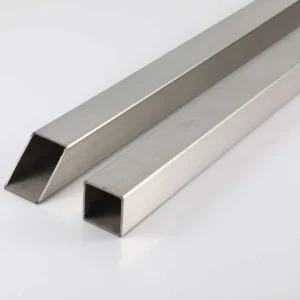
High-rise office towers along Paseo de la Reforma and residential towers in Santa Fe mandate heavy-wall ASTM A554 square and slot-tube balustrades. Tight corner radii and high structural yield strength allow integration with tempered glass panels while resisting high wind loads and structural movement.
Mexico City’s major medical hubs in Tlalpan require medical-grade 304 and 316L stainless steel tubing for IV poles, hospital bed frames, surgical carts, and safety grab bars. Tubing must withstand continuous exposure to hospital-grade disinfectants without surface degradation.
Open-air dining is a cornerstone of CDMX culture. Outdoor patio furniture, pergolas, and decorative screens must withstand fluctuating urban humidity and pollution. Passivated 304 and 316L tubing prevents atmospheric oxidation and tea-staining over years of exposure.
For international buyers, corporate procurement officers, and structural engineers in Mexico City, selecting the correct material grade and finishing process is critical to preventing field failures. Below is an engineering framework for furniture and decor tubing procurement.
Understanding the metallurgical differences between tubing grades ensures optimal cost-to-performance ratios:
Traditional wet electroplating and organic powder coatings are increasingly replaced by Physical Vapor Deposition (PVD). PVD coats the stainless steel substrate with a 0.3 to 0.5-micron thick ceramic titanium metal film in a vacuum chamber. This creates permanent brilliant finishes—including Champagne Gold, Rose Gold, Titanium Black, and Brushed Antique Brass—that will not chip, peel, or fade under UV light in Mexico City’s high-altitude climate.
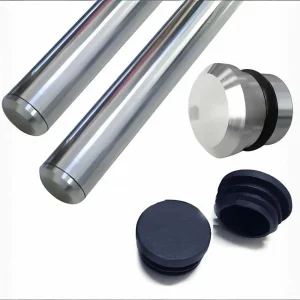
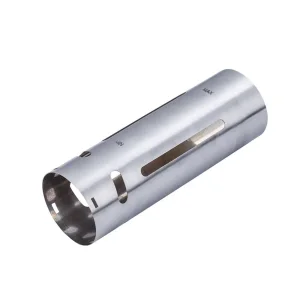
The future of furniture manufacturing in Mexico City relies on OEM suppliers providing pre-fabricated, cut-to-length, and CNC-machined components ready for immediate assembly. By shipping notched, punched, bent, and deburred tubing directly to CDMX assembly plants, manufacturers eliminate local scrap loss, reduce factory floor space requirements, and lower overall logistics costs.
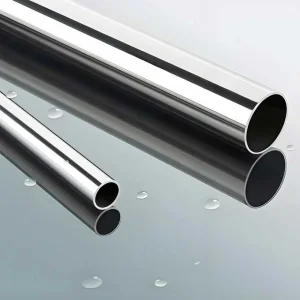
Explore our extended line of precision-welded tubing manufactured under ISO 9001 quality management systems.
Real-world technical and procurement answers provided by our senior metallurgical engineers and export logistics specialists.
Send us your technical drawings, BOM specifications, or sample requirements. Our engineering team will review your project and provide a comprehensive mill-direct quotation within 24 hours.