Direct supply line of ASTM A554/A269 grade precision tubing engineered specifically for hospital bed frames, surgical furniture, sanitary grab bars, and automated clinical conveyors.
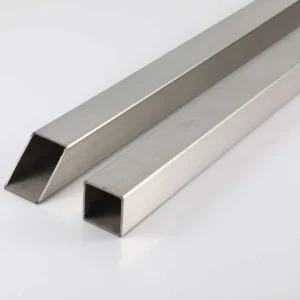
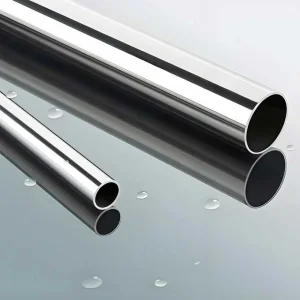
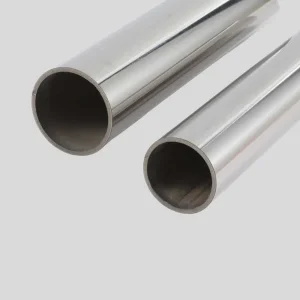
Understanding the structural shifts driven by National Health Insurance (NHI), SAPHRA regulations, and the expansion of private healthcare clusters across Gauteng, Western Cape, and KwaZulu-Natal.
The South African National Health Insurance (NHI) bill has accelerated capital expenditure for ward refurbishments, mobile clinics, and public tertiary hospital upgrades. This requires resilient, rust-proof structural components capable of withstanding heavy daily sanitization.
The South African Health Products Regulatory Authority (SAPHRA) mandates strict traceabilities for raw materials used in hospital environments. OEM manufacturers must ensure zero leaching, non-magnetic properties, and certified chemical composition (AISI 304/316L).
South African medical device fabricators serve as the primary export hub for the Southern African Development Community (SADC), supplying hospital furniture, IV poles, and sterile storage systems to Namibia, Botswana, Zimbabwe, and Mozambique.
South Africa represents the most sophisticated medical market on the African continent, characterized by a dual-tier system: a highly capitalized private sector (dominated by groups like Netcare, Mediclinic, and Life Healthcare) alongside a rapidly restructuring public sector under the Department of Health (DoH). While advanced bio-imaging and high-end electro-medical devices are largely imported from global hubs, local fabrication of hospital furniture, patient transport trolleys, surgical support frames, and sanitation infrastructure has expanded rapidly across key industrial clusters such as Ekurhuleni (Gauteng), Epping (Cape Town), and Pinetown (KwaZulu-Natal).
However, local original equipment manufacturers (OEMs) and local medical suppliers face severe headwinds: persistent electricity instability (load shedding), fluctuating exchange rates (ZAR volatility), and strict compliance bottlenecks under SAPHRA. To maintain global competitiveness and meet regional tender criteria, South African medical factories are shifting toward high-precision, pre-engineered stainless steel sub-assemblies that minimize localized secondary machining and eliminate structural weld failures.
Selecting the optimal stainless steel alloy to withstand aggressive disinfectant protocols, high humidity coastal environments, and heavy mechanical loads.
In medical environments, surface integrity is directly linked to infection control. Substandard tubing with microscopic surface pitting or unpolished internal weld seams acts as a reservoir for bacterial biofilms, including resistant pathogens like Methicillin-resistant Staphylococcus aureus (MRSA). For South African hospitals operating under tropical or coastal atmospheric conditions (such as Durban and Port Elizabeth/Gqeberha), atmospheric chloride exposure combined with chemical cleaning agents causes rapid tea-staining and micro-cracking in standard low-grade steels.
| Alloy Grade | Chemical Composition Key | Corrosion Resistance | Bending / Formability | Primary Medical Application in SA |
|---|---|---|---|---|
| AISI 304 / 304L | 18% Cr / 8% Ni | High (Standard Hospital Indoor) | Excellent (Complex CNC Bends) | Hospital Bed Rails, Overbed Tables, IV Poles, Examination Couches |
| AISI 316 / 316L | 16% Cr / 10% Ni / 2.5% Mo | Ultra-High (Coastal & Sterile Zones) | Superior Ductility | Surgical Suite Furniture, Coastal Rehab Grab Bars, Autoclave Trays |
| AISI 201 (High Cu) | 15% Cr / 1.5% Ni / High Mn | Moderate (Controlled Dry Indoor) | Good (Forming Grade) | Non-Critical Storage Racks, External Utility Trolleys |
| AISI 409L / 439 | 11-18% Cr (Ferritic) | Moderate Thermal Resistance | Moderate | Sterilization Oven Exhaust, Boiler Sub-systems, Auxiliary Ducting |
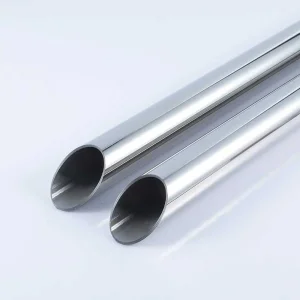
For South African factories producing sanitary grab bars, surgical carts, and cleanroom equipment, surface roughness is a key parameter. Our precision tube mill employs a multi-pass inline mechanical polishing system followed by chemical passivation. By controlling surface roughness to Ra ≤ 0.4 µm (600# Mirror or Satin 320#) and ensuring zero weld-bead protrusion inside the bore via nitrogen-shielded plasma welding, our tubing prevents bacterial adhesion and passes stringent neutral salt spray testing exceeding 500 hours without iron contamination.
How direct factory-to-OEM sourcing mitigates currency risks, freight delays, and local fabrication downtime.
Standardized sea freight containers dispatched directly to Durban (Transnet Container Terminal) or Cape Town Harbor, supported by pre-cleared customs documentation (EN 10204 3.1 Mill Test Certificates) to accelerate port turnaround.
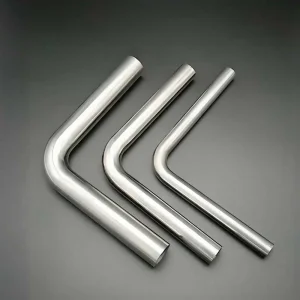
Tubes manufactured with controlled tensile strength and elongation (A554 standard) prevent seam splitting, ovality distortion, or wall buckling during tight 90° mandrel bending on local South African CNC bending machines.
By delivering pre-cut, deburred, and precision-bent tube lengths directly to South African factories, local builders bypass energy-intensive raw cutting operations during municipal load shedding schedules.
Architecting next-generation medical devices with integrated smart actuators, ergonomic profile tubing, and lightweight anti-microbial structural frames.
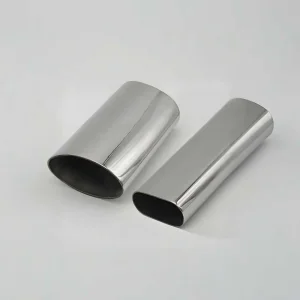
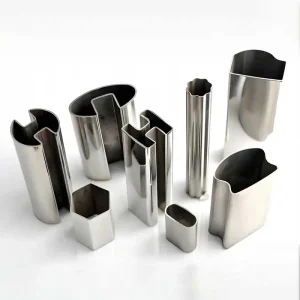
Traditional round tubing is increasingly replaced by flat oval, D-shape, and rectangular structural profiles in modern ICU beds and patient handling devices. Oval tubing provides superior lateral stiffness while reducing total frame weight, allowing smoother manual maneuverability by healthcare staff in crowded clinic wards across Gauteng and the Western Cape.
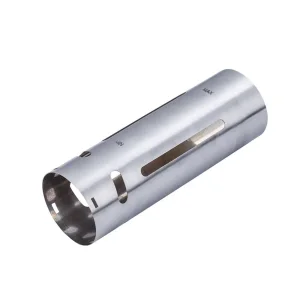
As South African private hospital groups digitize patient monitoring, modern hospital beds incorporate motorized linear actuators and weigh-scale load cells. This requires steel tube frameworks with laser-cut mounting slots and precise internal diameter tolerances (±0.05 mm) to house hidden wiring harnesses and electronic sensors safely inside the chassis.
With public tenders increasingly incorporating environmental scorecards, 100% recyclable AISI 304/316L stainless steel offers a carbon-efficient lifecycle. Unlike chrome-plated mild steel—which chips, rusts, and releases toxic hexavalent chromium during electroplating—solid stainless steel retains its structural and mechanical properties indefinitely through routine re-passivation.
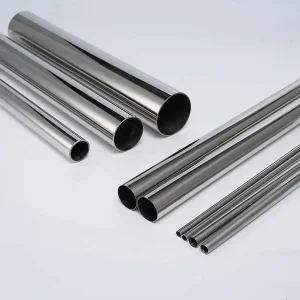
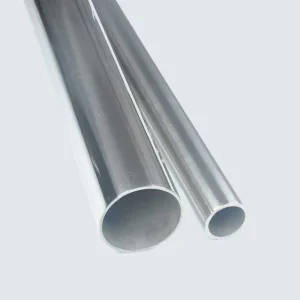
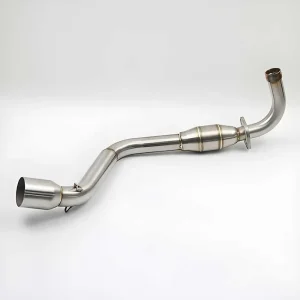
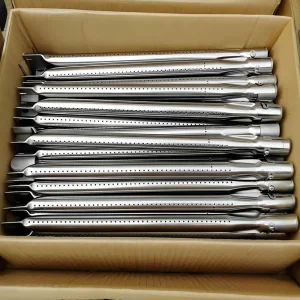
Explore our full range of certified tubing solutions engineered for hospital building balustrades, sanitary fixtures, mechanical structures, and automotive medical transport components.
Expert answers covering SAPHRA material compliance, shipping terms to South African ports, mill certificates, and custom fabrication capabilities.
Every shipment of medical-grade tubing is supplied with an EN 10204 3.1 Mill Test Certificate (MTC) detailing exact chemical heat analysis, yield strength, elongation, and hydrostatic testing results. Our raw material coils originate exclusively from top-tier primary mills (TISCO, POSCO, Baosteel), guaranteeing zero heavy-metal leaching and strict adherence to non-magnetic AISI 304 and 316L specifications required by medical device auditors.
Standard manufacturing lead time is 15 business days following drawing or order confirmation. Maritime transit time from Foshan/Shenzhen ports to Durban (TCT) is approximately 18–22 days, and to Cape Town approximately 24–28 days. We provide full CIF or DDP tracking services with pre-cleared bill of lading documentation to prevent demurrage charges at South African terminals.
Yes. In addition to standard 6-meter mill lengths, our in-house secondary fabrication workshop offers CNC precision laser cutting (length tolerances to ±0.5 mm), rotary draw mandrel bending, end-flaring, necking, and punching. This allows South African manufacturers to receive assembly-ready components directly at their assembly plants in Johannesburg, Pretoria, or Durban, bypassing localized labor bottlenecks.
Coastal cities like Durban, Port Elizabeth, and Cape Town feature high airborne salinity and humidity. Standard 304 stainless steel can experience micro-pitting and surface "tea-staining" when exposed to chlorine-based hospital disinfectants in marine environments. Grade 316L contains 2.0–3.0% Molybdenum, which dramatically enhances resistance to chloride pitting and passes 500+ hours of continuous neutral salt spray testing.
For standard round, square, and rectangular stainless tubing, our MOQ is 500 kg per dimension and surface finish. For special flat oval, D-shape, or elliptical profiles, we maintain over 500 existing roll-forming tooling sets, allowing standard custom profiles to be produced with a low 1-ton threshold and zero initial tooling costs.
Each tube is individually encased in a protective PE sleeve or blue PE film layer immediately after final polishing. Tubes are then bundled and wrapped in moisture-proof woven plastic outer wrap, backed by heavy-duty wooden crates or steel frames with desiccants inside the container to prevent salt-air humidity damage during ocean transit.