1 / 3
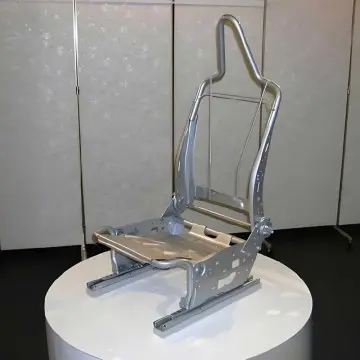
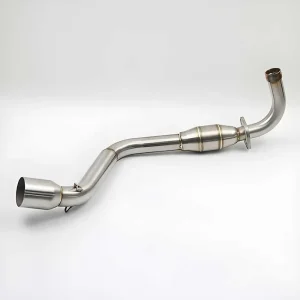
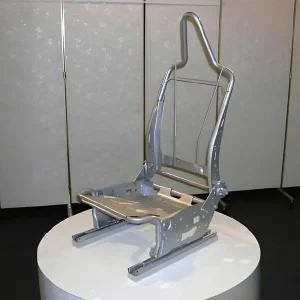
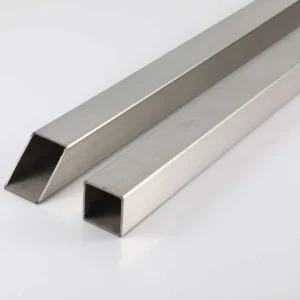
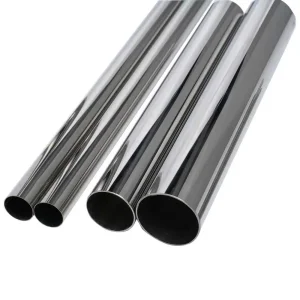
Automotive structural tubing is specifically engineered for high-stress components such as seat frames, chassis subframes, crossmembers, and impact beams. It provides high structural strength while keeping the overall vehicle weight low.
High-Strength Low-Alloy (HSLA) steel, Advanced High-Strength Steel (AHSS), and specialized seamless or precision welded carbon steel tubes are commonly used due to their optimal yield strength and formability.
Precision structural tubing offers superior energy absorption during collisions, maintaining structural integrity under heavy impact loads to protect occupants inside the cabin.
Yes, structural tubes can undergo various secondary processes including CNC bending, hydroforming, stamping, and end-forming to meet complex OEM chassis and seating design requirements.
Automotive tubing is typically manufactured in strict compliance with international automotive standards such as IATF 16949, ISO 9001, ASTM A513, or EN 10305 to ensure consistent mechanical properties and dimensional precision.