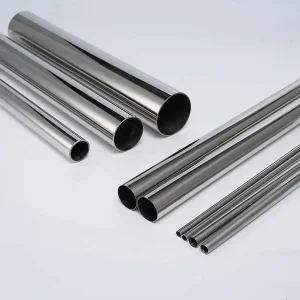
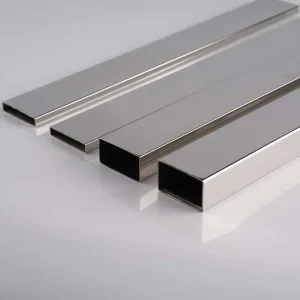
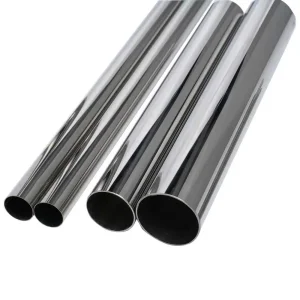
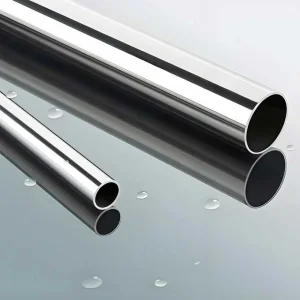
Direct export lines from Foshan manufacturing facility covering furniture legs, structural tubing, and sanitary applications.
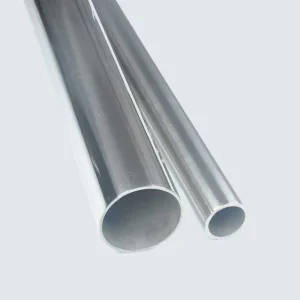
Analyzing the architectural migration from solid wood sub-assemblies to high-tensile metal alloy and stainless steel support structures.
The global furniture and architectural hardware industry has witnessed a profound structural pivot over the past decade. Modern residential, commercial, and hospitality spaces increasingly mandate structural minimalism combined with extreme durability. Within this design evolution, couch table legs (including sofa support legs, coffee table footings, sectionals connectors, and modular lounge bases) have transformed from purely functional wood components into core architectural design elements that define static load metrics, visual identity, and long-term serviceability.
Historically dominated by turned hardwoods or die-cast zinc alloys, high-end upholstery and case-goods manufacturers worldwide now turn toward cold-rolled steel and precision-welded stainless steel tubing. The international market demand is driven by three key factors:
Modern sectional couches require elevated clearance (120mm to 250mm) to allow autonomous robotic vacuums to pass underneath, while carrying cumulative static loads exceeding 600 kg to 1,000 kg. High-tensile stainless steel profiles (ASTM A554 standard) yield superior structural rigidity at significantly smaller wall cross-sections than timber or aluminum.
Flat-pack shipping models demand standard mounting plates, precise thread pitches (M8/M10 hanger bolts), and high dimensional repeatability. Stainless steel sofa legs with laser-welded flange plates prevent thread stripping during end-user assembly and eliminate transit damage claims caused by wood splits.
Commercial hospitality installations (hotels, airports, executive lounges, outdoor poolside loggias) require components that resist aggressive cleaning agents, high humidity, and marine salt-air atmospheres. Stainless grades 304 and 316L provide passive oxide surface protection that prevents corrosion, peeling, and cosmetic degradation over decades.
In structural engineering tests, a 4-piece set of Foshan-manufactured 304-grade stainless steel tapered couch legs (wall thickness 1.5mm, outer diameter top 50mm tapered to 25mm bottom) demonstrates a vertical ultimate compressive failure limit exceeding 12,500 N (1,274 kgf). This provides a safety factor of 4.2x for standard commercial 3-seater sofas under dynamic impact loading.
Examining the vertical integration, raw material density, and automated processing lines of Guangdong's stainless steel manufacturing ecosystem.
When international procurement officers source China couch table legs manufacturers & suppliers, they are seeking more than low labor costs; they are tapping into the world’s most hyper-concentrated industrial cluster located in Shishan Town, Nanhai District, Foshan City, Guangdong Province. As the operational hub for enterprises like VertexFlow Tubes Co., Ltd. (Xiyouwo Group), Foshan concentrates raw material coil production, high-precision slitting, automated roll-forming, CNC laser machining, multi-pass mirror polishing, and Physical Vapor Deposition (PVD) color titanium plating within a 15-kilometer operational radius.
Traditional manufacturing in Europe or North America relies on multi-tiered supply chains where raw tubing is produced by one vendor, bent and machined by a second, electroplated by a third, and assembled by a fourth. This fragmented logistics chain introduces cumulative lead times of 45 to 60 days, compounded quality transfer risks, and elevated transport overheads.
In contrast, Foshan’s integrated direct-factory model controls ten sequential stages in-house:
Direct raw strip allocation from Tier-1 mills including TISCO, POSCO, and Baosteel ensures certified chemical composition (Ni, Cr, Mo) and eliminates sub-standard recycled scrap contaminants.
In-line plasma welding with internal nitrogen atmosphere shielding prevents weld seam oxidation, creating a structural seam with 100% joint efficiency that survives aggressive 90-degree tube bending and tapering without splitting.
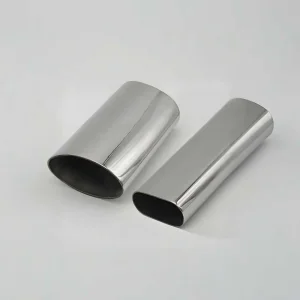
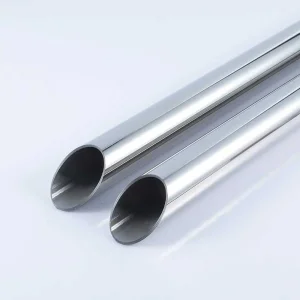
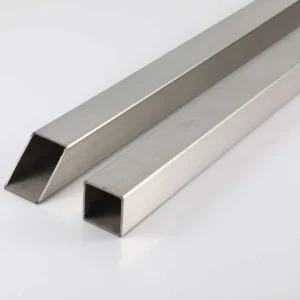
An extensive inventory of roll-forming dies allows immediate production of round, square, rectangular, flat oval, triangular, and tapered couch leg profiles without upfront tooling costs for buyers.
Selecting the optimal stainless steel chemistry, wall gauge, and surface treatment to prevent fatigue failure and surface tarnishing.
A primary point of failure in imported furniture hardware is the misapplication of metal grades for cost-cutting purposes. Understanding the chemical composition, yield strength, and surface finishing technologies is critical for procurement engineering teams when issuing Requests for Quotation (RFQs).
| Steel Grade Standard | Chemical Composition (Nominal) | Tensile Strength (MPa) | Corrosion Resistance | Recommended Sourcing Application |
|---|---|---|---|---|
| 201 (High-Copper Alloy) | 16-18% Cr, 1-1.5% Ni, 5.5-7.5% Mn, Cu > 1.0% | ≥ 520 MPa | Moderate (Indoor dry environments) | Cost-sensitive indoor residential sofas, dry bedroom case-goods, low-humidity retail display frames. |
| 304 (18/8 Austenitic) | 18-20% Cr, 8-10.5% Ni, C ≤ 0.08% | ≥ 515 MPa | High (Resists domestic humidity & spills) | Premium residential lounge couches, commercial office furniture, high-traffic hotel lobbies, dining tables. |
| 316L (Marine Grade) | 16-18% Cr, 10-14% Ni, 2-3% Mo, C ≤ 0.03% | ≥ 485 MPa | Superior (Passes 500h+ Salt Spray test) | Outdoor patio sectional sofas, luxury yacht deck lounges, spa resort outdoor furniture, coastal resort projects. |
| Carbon Steel (Q235B / Q345B) | Fe balance, C 0.14-0.22%, Mn 0.3-0.65% | 370 - 500 MPa | Low (Requires electroplating / powder coat) | Heavy-duty industrial workstation tables, internal structural sub-frames, budget knock-down furniture legs. |
The visual appeal of couch table legs is defined by precision mechanical polishing and advanced thin-film coating methods. Foshan factories lead the industry in replacing traditional electroplating (which produces environmental hazardous waste) with eco-friendly Physical Vapor Deposition (PVD) Vacuum Titanium Plating.
Achieved through 4-stage sequential automated mechanical buffing. Provides a flawless, distortion-free reflective surface with Ra ≤ 0.05 μm, ideal for modern ultra-luxury sofa frames.
Uniform longitudinal directional grain patterns (180#, 240#, or 320# grit). Conceals minor fingerprints and surface scuffs, making it the preferred choice for high-use commercial lobbies.
A 0.3 to 0.5 μm ceramic titanium nitride (TiN) film deposited in a high-vacuum plasma chamber. Outlasts standard liquid paint in abrasion tests by 10x and resists UV discoloration.
Architectural dark finishes engineered via reactive acetylene gas ionization. Provides an elegant metallic luster while maintaining resistance to household chemical cleaners.
How tailored leg geometry and custom mounting interfaces resolve specific structural challenges across diverse sectors.
Couch and table support systems require distinct physical parameters depending on their target operational environments. Below are four primary deployment scenarios where specialized manufacturing techniques from Chinese factories provide clear technical solutions:
Requirement: Adjustable leveling feet and multi-directional top mounting flanges.
Solution: Cold-swaged tapered legs equipped with internal M8/M10 threaded brass inserts and non-marking floor protection pads. Allows end-users to align modular couch segments seamlessly on uneven parquet or tile flooring.
Requirement: Extreme lateral rigidity and anti-tamper mounting.
Solution: Heavy-gauge square hollow sections (SHS 40x40mm or 50x50mm, wall thickness 2.0mm) welded to 6mm thick solid laser-cut mounting plates. Resists severe lateral shears caused by guests sliding heavy sofas across carpeted hotel lobbies.
Requirement: Zero rusting in salt fog or chlorinated pool water atmospheres.
Solution: Electropolished 316L stainless steel legs processed with full weld seam passivation. Electropolishing removes microscopic surface peaks, eliminating points where chloride ions initiate pitting corrosion.
Essential quality verification steps for furniture buyers when contracting with Chinese manufacturers.
Securing consistent high-volume shipments of couch table legs requires establishing clear quality acceptance criteria prior to contract signing. Industry-leading suppliers welcome rigorous factory audits based on ISO 9001:2015 frameworks.
Require EN 10204 3.1 Mill Test Certificates for every heat batch of stainless steel raw coil. Verify chemical percentages of Nickel (≥ 8.0% for 304) and Chromium using handheld XRF spectrometry during incoming inspection.
Inspect sample tubes using destruction flattening and flaring tests (ASTM A554 Section 11). Standard tubing must flatten completely without cracking or opening along the longitudinal weld line.
For PVD coated or plated leg samples, request a minimum 48-hour ASTM B117 Neutral Salt Spray (NSS) test report and a Cross-Hatch Tape Adhesion test (ASTM D3359 Class 4B/5B) to ensure zero coating flaking.
To prevent scuffing during 30-day ocean container shipping, every individual leg must be sealed inside a 0.08mm anti-scratch PE sleeve, buffered by EPE foam dividers, packed into double-wall corrugated 5-ply cartons, and strapped onto heat-treated ISPM-15 compliant fumigated wooden pallets or steel frames.
Emerging manufacturing technologies, smart furniture integration, and sustainable metal processing.
As smart homes and industrial automation continue to evolve, the couch table leg industry is expanding beyond traditional static hardware. Forward-thinking Chinese factories are actively investing in R&D across three key technological vectors:
Integration of ultra-compact electric linear actuators hidden inside hollow stainless steel table legs. Enables seamless conversion from low lounge coffee tables (450mm height) to ergonomic work desks (720mm height) with internal cable management passages for inductive sofa charging pads.
Transitioning entirely away from traditional solvent polishing and chemical electroplating to closed-loop physical vapor deposition (PVD) and automated laser-cleaning technologies, fulfilling international ESG guidelines and EU REACH compliance standards.
Utilizing high-pressure fluid tube forming (hydroforming) to create complex organic, fluid-like curved legs without joint lines or structural weak points, unlocking unprecedented artistic freedom for high-end luxury furniture designers.
Direct answers from our metallurgical quality control team addressing common engineering and procurement inquiries.
Explore specialized industrial, automotive, structural, and architectural tubing categories.