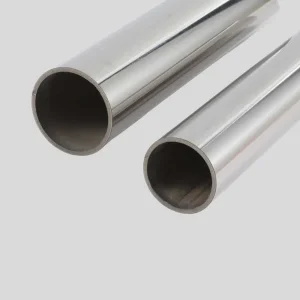
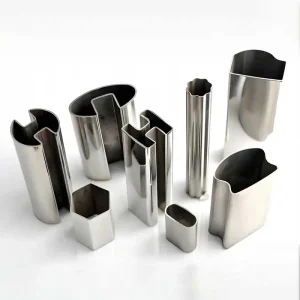
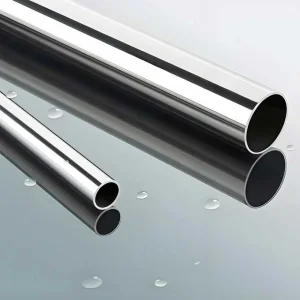
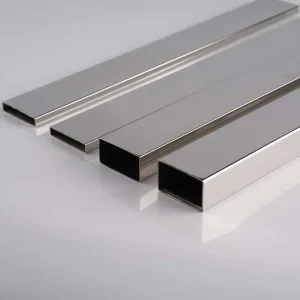
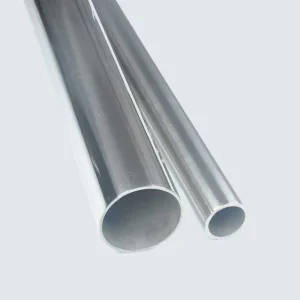
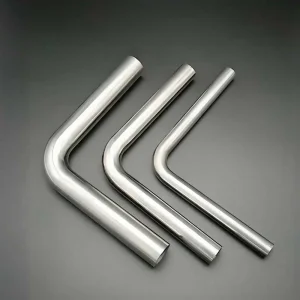
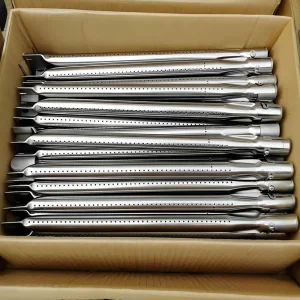
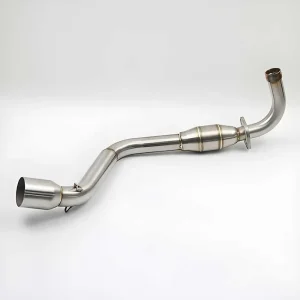
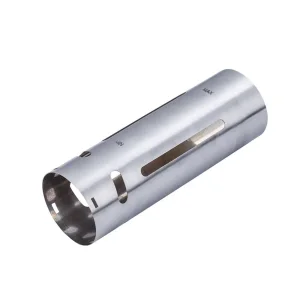
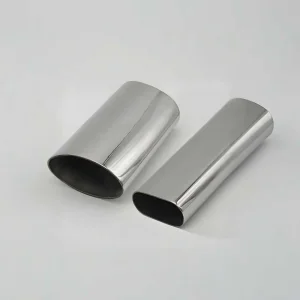
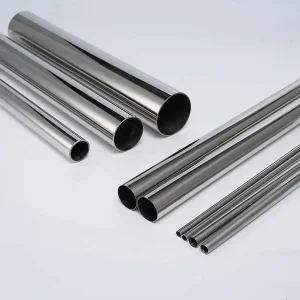
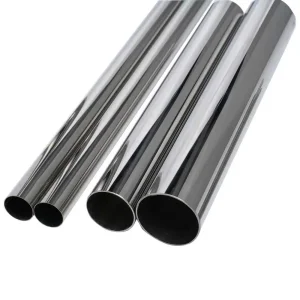
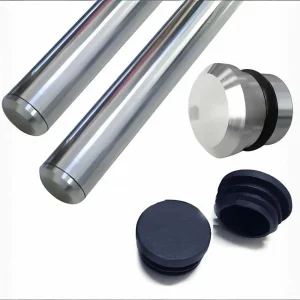
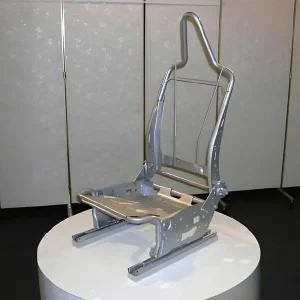
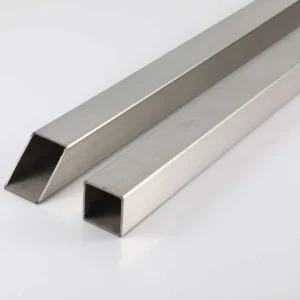
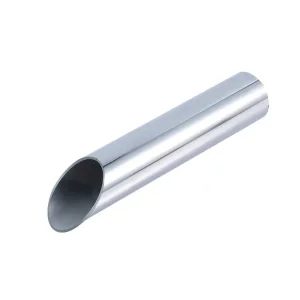
Explore our core OEM/ODM stainless steel and modular workbench tube products engineered for critical industrial applications.
Why modern semiconductor, SMT assembly, and cleanroom environments are shifting toward advanced stainless steel and conductive tubular structures.
In high-tech electronics manufacturing, semiconductor fabrication, automotive ECU assembly, and aerospace component integration, Electrostatic Discharge (ESD) represents an invisible multi-billion-dollar risk. Microelectronic components are increasingly sensitive to Electrostatic Overstress (EOS). Modern Integrated Circuits (ICs) operating at low voltages can be permanently damaged or latent-degraded by ESD events as low as 100 Volting (V)—well below the human perception threshold of 3,000V.
Consequently, the physical infrastructure of the workstation—specifically the ESD Workbench Tube framework—serves as the foundational defensive barrier. Traditional workstation construction relied heavily on painted carbon steel frames or basic plastic-coated lean pipes. However, modern lean manufacturing paradigms demand dynamic modularity, certified surface electrical conductivity, corrosion resistance, and particle-free cleanliness compatible with ISO Class 3 to Class 5 cleanroom standards.
Key Technical Shift: SMT lines and cleanroom engineering teams are migrating from conventional ABS plastic-coated lean pipes to solid stainless steel (AISI 304/316L) conductive tubes and proprietary anti-static coated structural tubes. Stainless steel provides zero outgassing, continuous ground bonding path ($10^4$ to $10^6 \, \Omega$), and immunity to chemical clean-down protocols.
This technical white paper examines the global landscape of ESD workbench tube manufacturing, detailing China’s industrial ecosystem in Foshan, metallurgy and conductive surface science, structural load mechanics, and procurement optimization strategies for OEM buyers worldwide.
Understanding the strict regulatory frameworks driving global demand for standardized workbench tubular systems.
Global electronics EMS providers mandate strict compliance with ANSI/ESD S20.20 and IEC 61340-5-1. Workbench tubes must provide a controlled point-to-ground resistance ($R_{g}$) ensuring static charges bleed off safely without spark discharge or localized thermal spikes.
Modern assembly plants require rapid reconfigurability. ESD lean tubes (28mm diameter systems) combined with conductive nickel-plated metal joints allow engineers to adapt flow racks, ESD benches, and AGV carts in hours without welding.
In semiconductor lithography and optical sensor manufacturing, volatile organic compounds (VOCs) and particulate shedding ruin yields. Solid stainless steel workbench tubes eliminate paint flaking and plasticizer outgassing completely.
How Foshan’s stainless steel manufacturing ecosystem delivers unparalleled quality, speed, and cost efficiency to international buyers.
Located in Foshan, China—the world’s premier stainless steel processing hub—factories operate fully integrated production cycles. From direct procurement of prime coil stock (TISCO, POSCO, Baosteel) to high-frequency plasma welding, inline laser sizing, ESD powder coating, and CNC fabrication, every step occurs within a 15-kilometer radius. This cuts lead times by 60% compared to fragmented western supply chains.
China ESD workbench tube manufacturers maintain inventories of over 500 roll-forming dies, spanning standard round (28mm lean pipe), square, rectangular, oval, and slotted channel profiles. Automated continuous welding lines equipped with real-time eddy-current flaw detection and laser dimensional monitoring ensure dimensional tolerances of ±0.05 mm without custom tooling surcharges.
Selecting the optimal material grade and surface treatment for workbench tubular frameworks.
A high-performance ESD workbench tube must strike a balance between structural rigidity, corrosion resistance, grounding continuity, and long-term wear resistance under dynamic mechanical loads. The table below outlines the core engineering specifications across standard material offerings:
| Tube Material Grade | Surface Resistance ($R_{s}$) | Cleanroom Rating | Corrosion Resistance | Primary Application |
|---|---|---|---|---|
| AISI 304 Stainless Steel | $10^4 - 10^6 \, \Omega$ (Conductive) | ISO Class 3 - 8 | High (Salt Spray > 300h) | Semiconductor, SMT Benches, Medical Assembly |
| AISI 316L Stainless Steel | $10^4 - 10^6 \, \Omega$ (Conductive) | ISO Class 1 - 5 | Ultra-High (Salt Spray > 500h) | Pharma Cleanrooms, High Chloride Environments |
| ESD Powder-Coated Carbon Steel | $10^6 - 10^9 \, \Omega$ (Dissipative) | ISO Class 6 - 8 | Moderate (Indoor Use) | Heavy Duty Structural Racks, General Electronics |
| Conductive Nickel Plated Steel | $10^3 - 10^5 \, \Omega$ (Conductive) | ISO Class 5 - 8 | High Wear Resistance | Modular Lean Pipe Connectors & Joints |
Electrostatic energy dissipates via two primary mechanisms in tubular workbench assemblies:
Engineered for seamless integration into diverse high-tech manufacturing workflows.
In high-density Surface Mount Technology (SMT) lines, operators handle sensitive bare boards and micro-BGAs. Workbench frameworks constructed with 28mm 304 stainless steel tubes ensure continuous grounding to bench tops, preventing electrostatic arc damage during manual component insertion.
Automotive battery management systems (BMS) and power modules require heavy-duty workbench frames capable of supporting loads > 500 kg while maintaining ESD safety. Thick-walled rectangular and square stainless tubes fulfill both structural capacity and anti-static integrity.
Regulated medical environments demand rigorous sterilization washdowns using isopropyl alcohol and active chlorine. Corrosion-resistant 316L stainless steel tubes resist pitting, rust, and microbial contamination while preventing electrostatic attraction of airborne dust particles onto sterile medical packaging.
Essential quality assurance criteria for procurement directors and industrial engineers sourcing from China factories.
When requesting quotes for ESD workbench tubing from China manufacturers, specifying exact metallurgical and electrical parameters ensures smooth sample approval and batch consistency:
Leading Foshan factories maintain rigorous quality assurance gates prior to container loading:
Browse additional precision manufactured tube series tailored for industrial furniture, architectural, and mechanical framework projects.
In-depth technical answers regarding ESD workbench tube engineering, manufacturing specifications, and supply chain logistics.