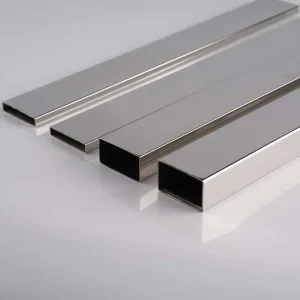
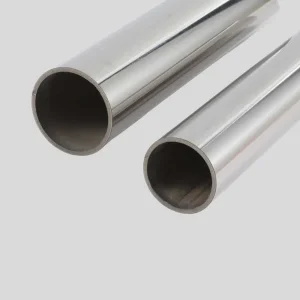
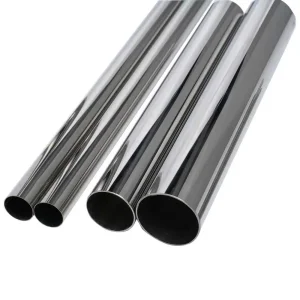
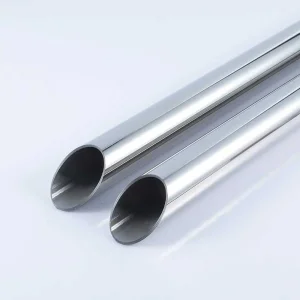
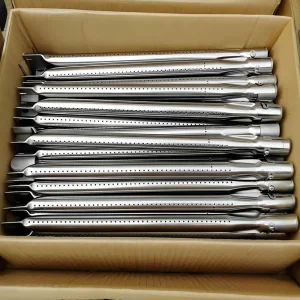
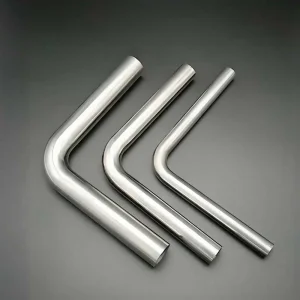
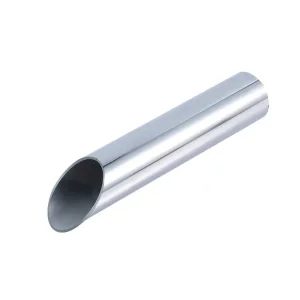
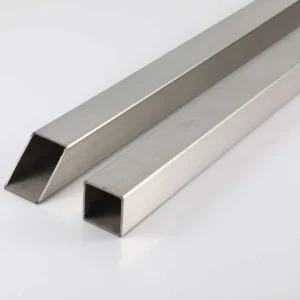
Direct from Foshan manufacturing hub — certified ASTM A554, 304, 316L, and structural grade tubing customized for high-load medical infrastructure.
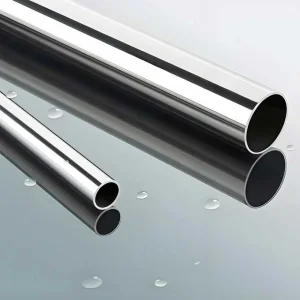
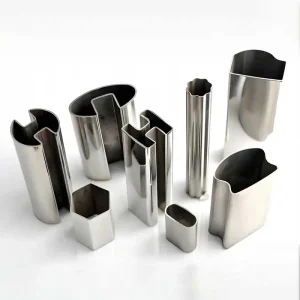
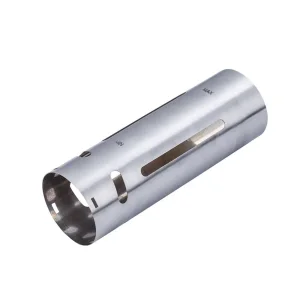
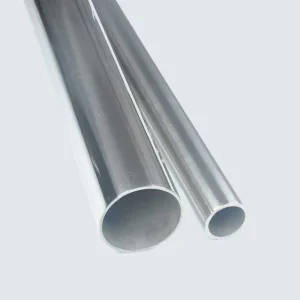
A comprehensive technical evaluation of hospital bed frame tubing architecture, yield strength metrics, antibacterial surface treatments, and structural load-bearing parameters.
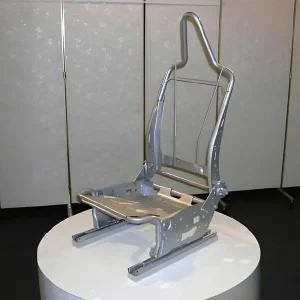
Modern electric and hydraulic ICU bed frames require high-precision tubular components capable of resisting multi-axial torsional dynamic loading. Frame tube profiles must maintain zero distortion under static loads up to 400 kg (Safe Working Load per IEC 60601-2-52).
Choosing the correct steel chemistry balances structural stiffness against mass reduction. Stainless steel grades 304/316L provide passive corrosion resistance against hospital-grade chlorine disinfectants, while specialized micro-alloyed carbon steels deliver maximum tensile yield.
Hospital infection control dictates non-porous antimicrobial surface coatings. Powder coating formulas with silver-ion (Ag+) additives prevent microbial bio-film growth across patient touchpoints and underbed structural rails.
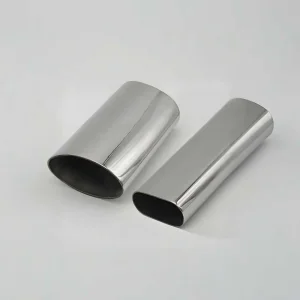
Selecting appropriate tube geometries directly impacts patient safety, bed longevity, and manufacturing assembly speeds. Below is an engineering benchmark chart used by Tier-1 healthcare equipment manufacturers.
| Steel Grade / Standard | Yield Strength (MPa) | Tensile Strength (MPa) | Typical Bed Structure Application | Corrosion & Sterilization Resistance |
|---|---|---|---|---|
| AISI 304 / ASTM A554 | ≥ 205 | ≥ 515 | Side Rails, Grab Bars, Headboard Frames | High (Resists hospital disinfectant wipe-downs) |
| AISI 316L / ASTM A269 | ≥ 220 | ≥ 520 | ICU Special Care Beds, Operating Room Frames | Extreme (Resists severe chloride & acidic exposure) |
| Q235B Cold Rolled Steel | ≥ 235 | 370 - 500 | Main Base Frame, Scissor Lift Mechanisms | Moderate (Requires epoxy antimicrobial powder coating) |
| Q355B Low-Alloy High-Strength | ≥ 355 | 470 - 630 | Bariatric Hospital Beds (Heavy Load >350kg) | Moderate (Requires industrial multi-layer coating) |
How smart manufacturing, automated tube bending, and lightweight high-entropy alloys are transforming hospital furniture engineering over the next decade.
Next-generation hospital bed frame tubing is evolving from passive load-bearing steel into intelligent structural channels. Internal routing channels, integrated cable channels, and pre-punched sensor brackets simplify assembly for motorized smart beds.
Transitioning from traditional mechanical saws to multi-axis 3D fiber laser cutting units ensures zero-burr beveling, interlocking tube slots, and tight tolerances that enable automated robotic assembly without manual jigging.
Research into thin-walled micro-alloyed tubing allows manufacturers to cut overall bed chassis weight by 18-25% while maintaining structural rigidity, improving room-to-room mobility for nursing staff.
Leveraging Foshan's world-class stainless steel industrial cluster to deliver unparalleled scale, speed, and cost efficiency to global healthcare OEMs.
The Foshan manufacturing base integrates direct steel coil procurement from Tier-1 mills (TISCO, POSCO, Baosteel) with in-house CNC mandrel bending, plasma welding under internal nitrogen shielding, and automated online eddy-current testing. This vertical integration eliminates middleman markups, reduces lead times by 35%, and guarantees 100% material traceability per heat batch.
Streamlining global B2B procurement workflows for healthcare equipment brands, hospital furniture factories, and medical device distributors.
Providing finished and semi-finished tubular assemblies ready for immediate factory integration. From CNC laser cutting and slotting to custom end-flaring, swaging, and multi-radius bending.
Navigating global tariff dynamics with flexible delivery terms including FOB, CIF, DDP, and JIT (Just-In-Time) warehousing support for high-volume European and North American buyers.
Utilizing closed-loop water cooling systems, zero-VOC powder coating processes, and 100% recyclable steel scrap recovery to align with global corporate ESG procurement directives.
Meeting the stringent quality gatekeeping demands of international health authorities and medical device regulators.
Our manufacturing protocols operate under strict ISO 13485 medical device quality management frameworks. Every production lot undergoes rigorous traceable logging from raw strip coil to packed container.
Each delivery is accompanied by EN 10204 3.1 Mill Test Certificates validating chemical composition (Carbon, Chromium, Nickel, Molybdenum), tensile strength, yield point, and flattening test results.
Raw materials comply with REACH, RoHS 3, and FDA biocompatibility standards, ensuring medical furniture components clear import inspections without compliance bottlenecks.
Clear, direct answers regarding metallurgical grades, mechanical tolerances, minimum order quantities, and custom fabrication capabilities.
Comprehensive catalog coverage for architectural, hardware, automotive, and industrial mechanical applications.