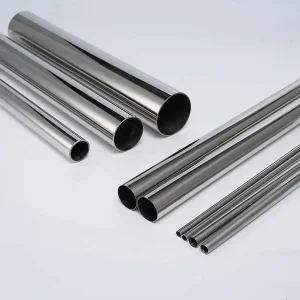
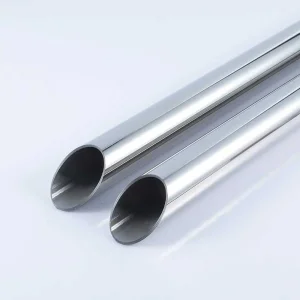
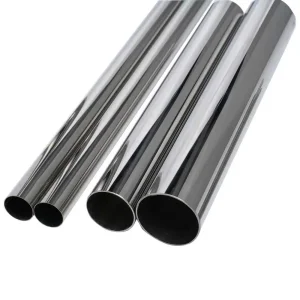
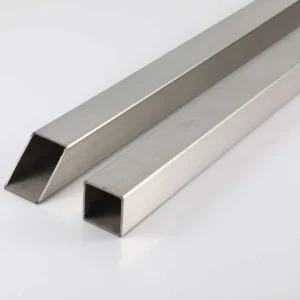
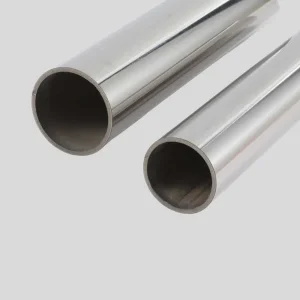
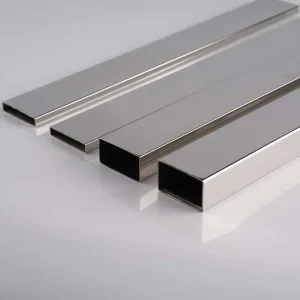
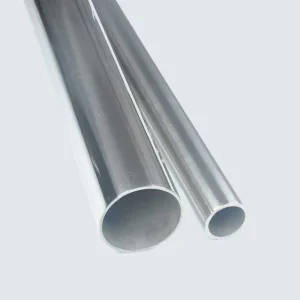
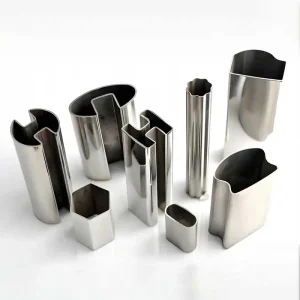
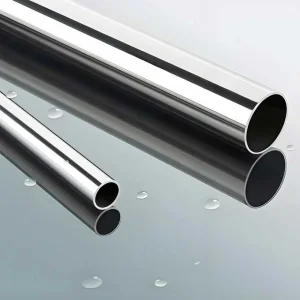
Explore high-spec ASTM A554 welded profile solutions directly from Foshan manufacturing lines.
Analyzing the structural shift from traditional zinc alloy/carbon steel furniture hardware to precision-engineered stainless steel sofa and couch legs.
The global luxury and mid-to-high-end furniture market is experiencing a profound paradigm shift. Modern residential and commercial upholstery design demands structural components that combine minimalist aesthetics with unprecedented load-bearing capacities. The worldwide market for China stainless steel couch legs has expanded at a CAGR of 6.8% over the past five years, driven by the global demand for corrosion-resistant, recyclable, and mechanically superior furniture hardware.
Leading international furniture original equipment manufacturers (OEMs) and original design manufacturers (ODMs) are phasing out die-cast zinc alloys and electroplated iron. Zinc alloys suffer from low tensile strength and creep deformation under sustained heavy dynamic loads, while electroplated iron legs are prone to micro-cracking of the chrome surface, resulting in catastrophic sub-surface rusting in high-humidity climates.
China, specifically the Foshan industrial cluster in Guangdong province, controls over 65% of the world's high-precision welded stainless steel tube and custom architectural hardware manufacturing. Advanced facilities such as VertexFlow Tubes Co., Ltd. utilize vertically integrated production models—encompassing raw strip slitting, plasma and TIG welding, automated multi-pass mechanical polishing, CNC laser tube cutting, and Physical Vapor Deposition (PVD) vacuum coating under one roof.
This integration eliminates supply chain friction, allows tight wall thickness tolerance control (down to ±0.05 mm), and ensures batch-to-batch color and mechanical consistency that unintegrated trading desks cannot guarantee.
Technical specifications of austenitic and ferritic stainless steel grades used in couch leg fabrication (ASTM A554 Standard).
Stainless steel couch legs are primarily manufactured from high-grade structural welded tubing complying with ASTM A554 specifications. The structural performance of a couch leg relies on core metallurgical properties: yield strength, tensile strength, hardness, and resistance to intergranular corrosion caused by thermal input during mounting plate welding.
| Stainless Steel Grade | Chemical Composition (Nominal %) | Yield Strength (MPa) | Tensile Strength (MPa) | Primary Application Environment |
|---|---|---|---|---|
| 201 (High Cu Grade) | 16-18 Cr / 3.5-5.5 Ni / 5.5-7.5 Mn / Cu ≥ 1.5 | ≥ 275 | ≥ 520 | Indoor residential furniture, dry climates, cost-effective retail sofas. |
| 304 (UNS S30400) | 18-20 Cr / 8-10.5 Ni / C ≤ 0.08 | ≥ 205 | ≥ 515 | High-end home upholstery, commercial lounge seating, humid indoor regions. |
| 304L (UNS S30403) | 18-20 Cr / 8-12 Ni / C ≤ 0.03 | ≥ 170 | ≥ 485 | Heavy-duty modular sectional legs requiring extensive TIG welding. |
| 316L (UNS S31603) | 16-18 Cr / 10-14 Ni / 2-3 Mo / C ≤ 0.03 | ≥ 170 | ≥ 485 | Luxury outdoor patio furniture, yacht interiors, coastal resort upholstery. |
Modern China manufacturing utilizes automatic continuous plasma arc welding combined with inner nitrogen shielding gas. This prevents seam oxidation on the internal tube wall, eliminating hidden corrosion spots and ensuring the leg maintains 100% joint efficiency under vertical shear forces.
After inline welding, the outer weld bead is mechanically planished to achieve a seamless surface transition. The material undergoes chemical pickling and passivation to re-establish the passive chromium-oxide ($Cr_2O_3$) protective layer, guaranteeing long-term corrosion resistance.
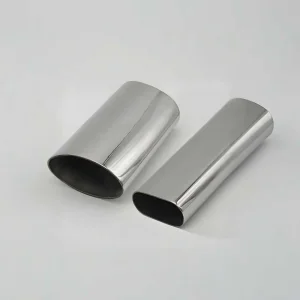
Engineers calculate structural leg integrity based on wall thickness ratios (0.8 mm to 3.0 mm). High legs (>200mm) utilize tapered or oval tubes to maximize moment of inertia, resisting buckling when sofas undergo heavy dynamic loads.
From mirror polishing to eco-friendly PVD sputtering—how modern surface science elevates furniture hardware design.
Achieving a flawless surface on stainless steel sofa legs requires multi-stage automated polishing processes:
Microscopic smoothness prevents ambient humidity and airborne contaminants from settling in surface micro-fissures, drastically increasing corrosion protection.
Unlike traditional electroplating, which generates hazardous heavy metal waste, premier Chinese factories deploy Physical Vapor Deposition (PVD) titanium ion plating inside vacuum sealed chambers:
Tailored structural designs matching distinct regional market preferences and mechanical demands.
Challenge: Heavy modular L-shape sectionals exert uneven rotational torque on corner legs, leading to plate detachment.
Solution: Heavy-gauge 304 stainless steel L-shaped bracket legs with multi-point reinforced mounting plates (3.0mm thickness) and internal gusset welds.
Challenge: Hotel lobbies, airport lounges, and healthcare facilities undergo constant cleaning with aggressive chemicals.
Solution: 304/316L grade stainless legs featuring PVD anti-fingerprint coatings that resist chemical degradation and cleaning abrasions.
Challenge: Marine air and saltwater splash cause immediate tea-staining and pitting on low-grade metal feet.
Solution: Electro-polished Marine Grade 316L tubular and conical feet passing 500+ hours neutral salt spray testing (ASTM B117 standard).
Forecasting material science advancements, automation trends, and circular economy integration in China's hardware sector.
Leading Chinese factories are rapidly adopting 3D fiber laser cutting robots integrated with real-time vision processing. These systems execute complex beveling, slotting, and bracket hole punching in a single pass with zero tool wear.
In-line optical quality control scanners analyze weld line continuity, tube roundness, and surface finish gloss in real-time. Any variance exceeding ±0.03 mm automatically adjusts mill roller alignment, eliminating human error.
Future structural leg manufacturing will embrace ultra-high-strength thin-walled stainless steel alloys alongside hydroformed tubular shapes. Hydroforming enables organic, variable-diameter leg profiles that maximize structural stiffness while reducing material weight by up to 25%.
Furthermore, closed-loop sustainability initiatives will require 100% traceability of stainless steel scrap back to primary melting electric arc furnaces (EAF), reducing the overall carbon footprint per unit by over 40%.
Technical and procurement answers provided directly by VertexFlow senior manufacturing engineers.
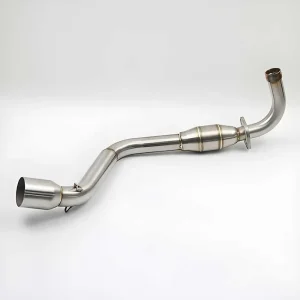
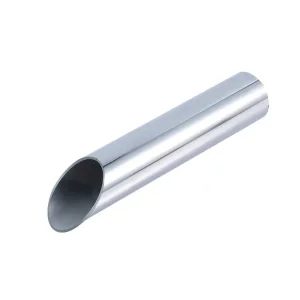
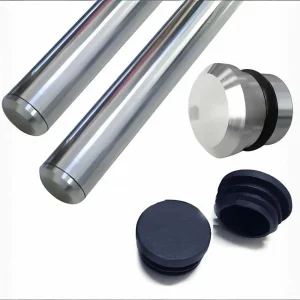
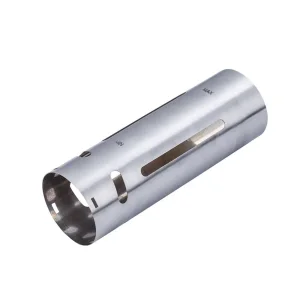
Select from our specialized tube inventory engineered for structural, architectural, and furniture applications.