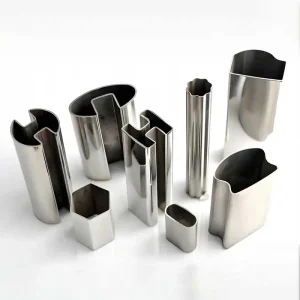
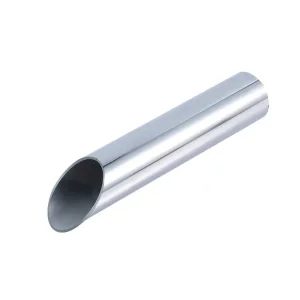
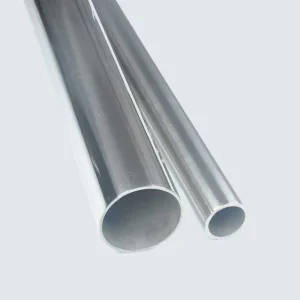
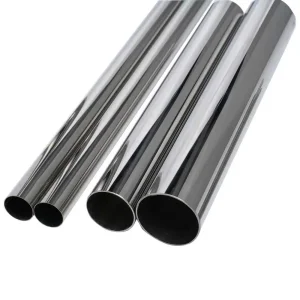
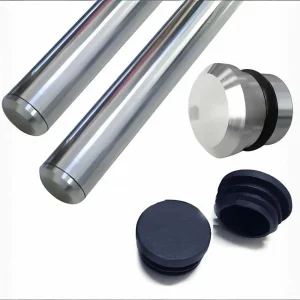
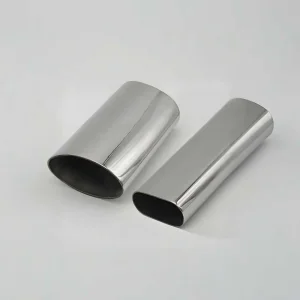
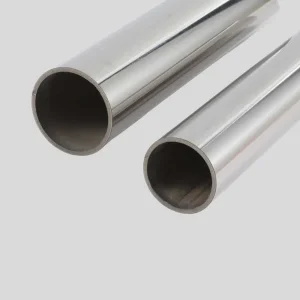
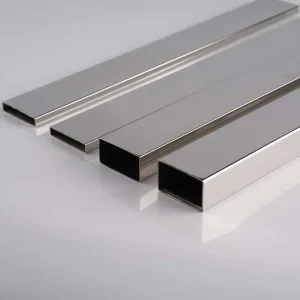
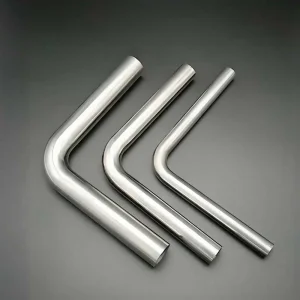
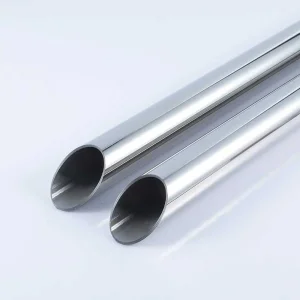
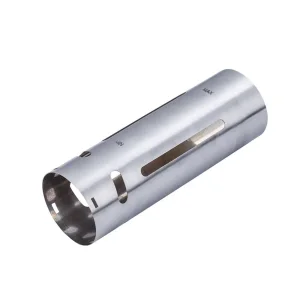
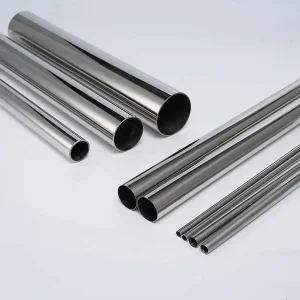
Explore our specialized range of ASTM A554 welded round, square, rectangular, and custom-profile polished stainless steel tubing engineered for industrial, architectural, and sanitary deployments globally.
Analyzing structural demand shifts across North America, Europe, and the Asia-Pacific market for high-grade mechanical and decorative tubing.
The global consumption of polished stainless steel pipes and tubing has undergone a fundamental transformation over the past decade. Traditionally viewed as a niche metallurgical segment reserved for luxury architectural elements or specialized chemical conduits, polished stainless steel pipes have become an indispensable industrial baseline across sectors including commercial construction, food processing, medical equipment manufacturing, automotive exhaust systems, and high-tech cleanroom automation.
Global demand is driven by the imperative for materials that simultaneously offer superior corrosion resistance, high yield strength, aesthetic versatility, and minimal maintenance overhead. In North American and European markets, regulatory mandates regarding sanitary hygienic surfaces (such as 3-A Sanitary Standards and EHEDG guidelines) have made mechanical and electropolished tubing mandatory in pharmaceutical, dairy, and craft beverage facilities. Concurrently, rapid urbanization and infrastructure investments across Southeast Asia, South America, and the Middle East have escalated demand for ASTM A554 structural stainless steel tubes used in balustrades, curtain walls, and mass transit terminals.
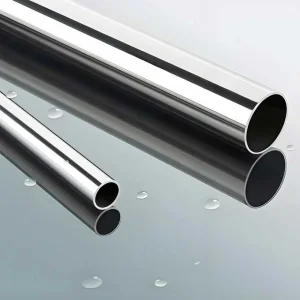
Engineered for handrails, balustrades, luxury furniture, and structural facades where 600# mirror polish or satin 240# finishes provide structural integrity alongside high visual appeal.
Internal surface roughness controlled down to Ra ≤ 0.4 µm to eliminate bacterial micro-trapping in food, beverage, dairy, and ultra-pure water distribution systems.
Tight dimensional tolerances (OD ±0.05 mm, wall ±8%) with low Total Indicator Runout (TIR) designed specifically for conveyor rollers, hydraulic cylinders, and automotive components.
However, managing the supply chain for high-grade polished tubing presents complex challenges for international procurement teams. Raw material price volatility (particularly in primary nickel and ferrochrome markets), variations in weld-seam integrity, micro-scratching during long-haul freight, and inconsistent surface roughness metrics frequently disrupt project schedules. As a consequence, procurement directors are turning to vertically integrated manufacturing hubs in China—specifically Foshan, Guangdong—that offer advanced plasma-welding technology, automated multi-pass polishing, and rigid quality assurance frameworks.
How Foshan's stainless steel ecosystem combines metallurgical scale, cold-forming innovation, and vertical integration to deliver global procurement value.
China accounts for over 56% of global crude stainless steel production, with Foshan serving as the premier manufacturing epicentre for high-precision welded stainless tubing. The industrial concentration in Foshan creates unparalleled operational synergies across the entire production lifecycle—from primary coil slitting to precision roll-forming, inner nitrogen-shielded welding, offline annealing, automated surface polishing, and secondary CNC fabrication.
Vertical Integration Insight: Facilities such as VertexFlow Tubes (running 43 continuous production lines across a 12,000 m² footprint) maintain control over raw coil sourcing directly from tier-one steelmakers (TISCO, POSCO, Baosteel). This direct mill integration eliminates intermediate distributor markups and guarantees consistent chemical compositions for optimal weldability and deep-drawing capacity.
| Efficiency Metric | Standard International Mill | China Integrated Factory (VertexFlow) | Procurement Impact & Benefit |
|---|---|---|---|
| Standard Lead Time | 35 – 50 Days | 15 – 20 Days | Reduces inventory holding costs and speeds up project execution cycles. |
| Mould Library Availability | 50 – 100 Tooling Sets | 500+ Ready Mould Profiles | Zero tooling amortisation costs for non-standard oval, D-shape, or square shapes. |
| Dimensional OD Tolerance | ±0.15 mm – ±0.20 mm | ±0.05 mm (Precision Grade) | Eliminates fitment slop during automated robotic welding and assembly. |
| Surface Polish Range | 180# Satin – 400# Mirror | 180# to 600# Mirror + PVD Titanium | Enables single-vendor sourcing for multi-finish product lines. |
| Minimum Order Quantity (MOQ) | 3 – 5 Tonnes per Size | 500 kg per Size & Finish | Facilitates high-mix, low-volume flexible ordering strategies. |
A primary competitive advantage of Chinese polished pipe factories lies in the adoption of automated continuous inline production lines. By combining high-frequency TIG/Plasma welding with inline eddy-current testing and laser outer-diameter monitoring, Chinese mills log dimensional stability in real time. Rather than relying on batch spot-checks, automated systems continuously measure roundness, wall uniformity, and weld seam alignment. This ensures that every length of pipe exiting the annealing furnace meets rigorous international structural parameters before it enters the four-pass automatic polishing machinery.
A deep dive into ASTM standards, chemical grade selections, surface roughness metrics (Ra/Rz), and PVD color technology.
Selecting the correct stainless steel alloy and surface finish protocol is paramount for ensuring operational longevity and preventing catastrophic failure modes such as stress corrosion cracking (SCC), intergranular attack, or surface pitting. Polished stainless steel tubes are manufactured under several primary standards, each targeted at specific mechanical or environmental requirements.
ASTM A554 (Standard Specification for Welded Stainless Steel Mechanical Tubing): The dominant standard for architectural, ornamental, structural, and furniture applications. ASTM A554 covers round, square, rectangular, and special-shaped tubing where aesthetic finish, structural strength, and precise bendability are required. It allows for higher cold-work hardness while regulating weld bead height.
ASTM A249 / ASTM A269 (Tubing for Heat Exchangers, Condensers, & General Service): Applied in sanitary, chemical, and boiler applications requiring full-bore hydrostatic testing, flattening checks, and non-destructive eddy-current inspection to guarantee leak-tight performance under operational pressure.
| Grade Designation | Chemical Composition Highlights | Corrosion Resistance | Ideal Application Environments |
|---|---|---|---|
| AISI 201 (High-Cu) | 16-18% Cr, 1-1.5% Ni, 5.5-7.5% Mn, Cu added | Moderate (Indoor Use) | Cost-driven furniture frames, drying racks, indoor handrails. High copper content allows tight-radius bending without cracking. |
| AISI 304 / 304L | 18-20% Cr, 8-10.5% Ni, C ≤ 0.03% (304L) | High (General Purpose) | Architectural railings, commercial food machinery, beverage conduits, household appliances, structural lean racks. |
| AISI 316 / 316L | 16-18% Cr, 10-14% Ni, 2-3% Mo | Superior (Chloride Resistant) | Marine hardware, coastal balustrades, pharmaceutical cleanrooms, outdoor spa showers. Molybdenum prevents pitting from salt air. |
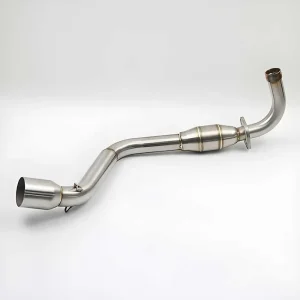
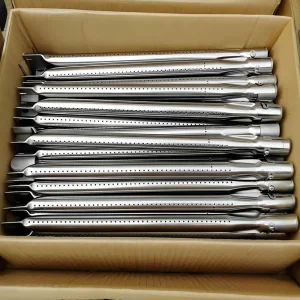
| AISI 409L / 439 | 10.5-11.7% Cr, Ti Stabilized, Low Ni | Moderate High-Temp Oxidation | Automotive exhaust manifolds, muffler tubes, gas grill burners where thermal endurance outweighs bright aesthetics. |
The surface polishing process involves sequential mechanical abrasion using aluminum oxide or silicon carbide belts followed by sisal and cotton buffing wheels loaded with polishing compound. For specialized application demands, surface finish is quantitatively measured by Microinch (µin) or Micrometer (µm) Ra (Roughness Average):
Verified production statistics establishing VertexFlow as a trusted global OEM/ODM manufacturing partner.
Examining how high-precision polished stainless steel tubing resolves critical engineering challenges in target industrial environments.
The Challenge: Electroplated iron or low-grade brass faucet spouts and towel rails frequently suffer from chrome plating blistering, pinhole oxidation, and lead-leaching compliance issues in humid bathroom environments.
The Solution: China factories produce precision 304/316L welded tubes with an internal seam removal process (inner bead planished flat) and Ra ≤ 0.2 µm surface roughness. This yields a seamless-look substrate optimized for direct electroplating or PVD deposition, ensuring 500+ hours of neutral salt spray resistance without surface flaking.
The Challenge: Traditional plastic-coated (ABS/PE) carbon steel lean pipes degrade under intense UV exposure and shed micro-plastic particles in semiconductor and pharmaceutical cleanroom settings.
The Solution: 28 mm OD solid 304 stainless steel polished tubing (wall thickness 0.8 mm – 1.5 mm). The non-porous 240# satin surface withstands daily chemical disinfectant washdowns (isopropyl alcohol, hydrogen peroxide) with zero delamination risk and complete ESD compliance.
The Challenge: High Total Indicator Runout (TIR) and irregular pipe wall thickness cause roller vibration, excessive bearing wear, and elevated decibel levels in high-speed automated sorting warehouses.
The Solution: Dedicated conveyor roller tubing cold-drawn to ±0.05 mm OD accuracy and straightness within 1 mm/m. The low-TIR profile provides balanced rotation at 300+ RPM, preventing premature drive belt wear and reducing maintenance downtime.
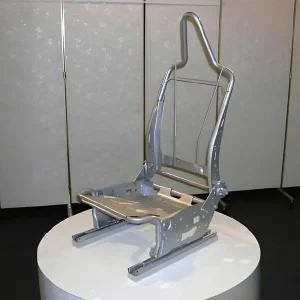
The Challenge: Severe thermal cycling (up to 700°C) paired with road-salt corrosion induces weld seam fatigue and premature cracking in automotive exhaust mufflers and structural seat frames.
The Solution: Titanium-stabilized 409L / 439 ferritic stainless steel tubing and 304 structural tubing welded under high-purity argon/nitrogen gas shielding. The resulting ductile weld seam allows tight-radius CNC mandrel bending (1D radius) without throat collapse or micro-fracturing.
A step-by-step quality control protocol for international buyers to mitigate cross-border procurement risks.
To guarantee that imported stainless steel polished pipes match strict technical drawings, overseas buyers should implement a rigorous 6-point factory audit protocol prior to issuing purchase orders:
Mandate Mill Test Certificates (MTC) according to EN 10204 3.1 for every heat number. Verify positive material identification (PMI) via XRF analyzer upon arrival to confirm Ni, Cr, and Mo percentages.
Specify inner nitrogen shielding during welding. Lack of inert gas shielding causes interior weld seam oxidation (creating a black "sugar line"), which initiates rapid localized corrosion.
For pipes undergoing post-fabrication bending or flaring, require 90° flattening tests and cone expansion tests to ensure the weld zone possesses equal ductility to the parent metal.
Polishing removes the natural passive oxide layer. Ensure the factory executes chemical passivation (citric or nitric bath) to restore chromium oxide (Cr2O3) surface protection.
Specify individual plastic sleeving, woven outer wrapping, and reinforced wooden or iron crates. Unprotected bundles rub during ocean transport, causing surface abrasion.
Partner with factories offering secondary processing (CNC cutting, slotting, flaring, bending) to reduce localized freight steps and eliminate scrap costs at your destination assembly plant.
How decarbonization, smart manufacturing, and advanced surface science are shaping the next decade of pipe production.
The global stainless steel pipe manufacturing sector is undergoing a rapid technological evolution, driven by environmental regulations, energy costs, and the demand for higher geometric precision. Key industry developments include:
1. Green Metallurgy & Carbon Footprint Reduction: Leading Chinese factories are increasingly utilizing recycled scrap-based Electric Arc Furnace (EAF) stainless steel, reducing embodied carbon emissions by up to 60% compared to traditional Blast Furnace-Basic Oxygen Furnace (BF-BOF) routes. This is vital for European buyers navigating the Carbon Border Adjustment Mechanism (CBAM).
2. AI-Driven Laser Welding & Inline Inspection: Replacing traditional TIG welding with high-speed fiber laser welding enables faster travel speeds, narrower heat-affected zones (HAZ), and minimal thermal distortion. Integrated AI vision systems scan 100% of the weld seam in real time, detecting micro-porosity instantly.
3. Eco-Friendly Closed-Loop Electropolishing: Traditional chemical polishing processes that generate heavy-metal acid waste are being replaced by zero-discharge electro-chemical polishing circuits. These systems recycle electrolyte solutions while delivering mirror finishes with Ra values under 0.08 µm.
Direct responses from our engineering and export compliance team to common technical queries.
Browse our extensive selection of square, rectangular, sanitary, decorative, and custom OEM-fabricated stainless steel tubes.