VertexFlow Tubes stainless steel tube manufacturer logo VertexFlow TubesPrecision SS Tubing
Industrial Procurement & Engineering Whitepaper

High-Quality 304L Stainless Steel Tubing Factories & Factory Solutions

A Comprehensive Metallurgical Guide, Global Supply Chain Roadmap, and E-E-A-T Technical Benchmark for Enterprise Buyers & System Integrators

Featured Inventory Range

Precision Welded & Structural Stainless Steel Tubing

Explore our flagship mill outputs engineered for automotive, OEM appliances, structural handrails, and hygienic conveyance.

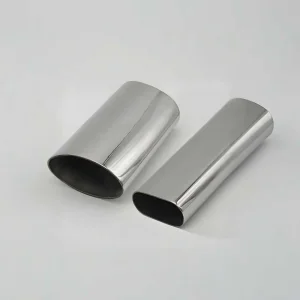
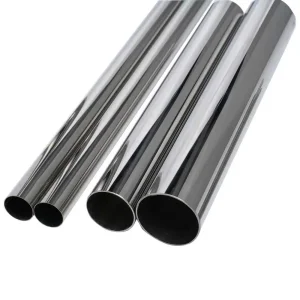
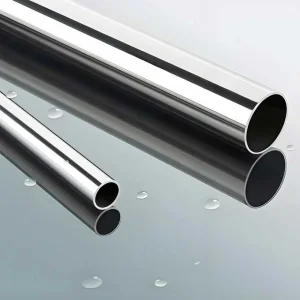
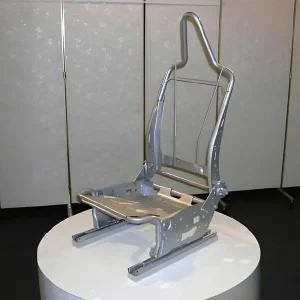
Wholesale Automotive Structural Tubing for Seats & Chassis Manufacturers, Manufacturer

Wholesale Automotive Structural Tubing for Seats & Chassis Manufacturers

View Product Details
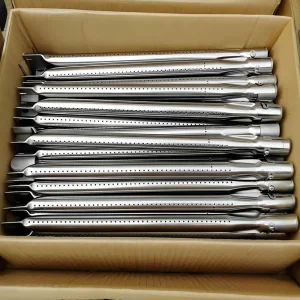
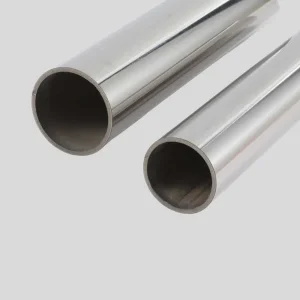
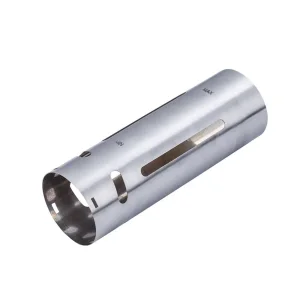
OEM Stainless Steel Gas Grill Burner Tubes (OEM & Aftermarket) Supplier, Factory

OEM Stainless Steel Gas Grill Burner Tubes (OEM & Aftermarket)

View Product Details
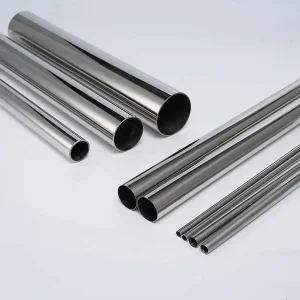
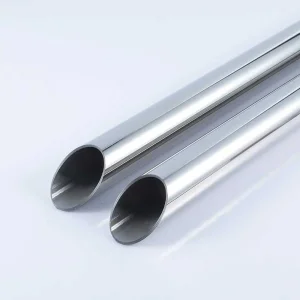
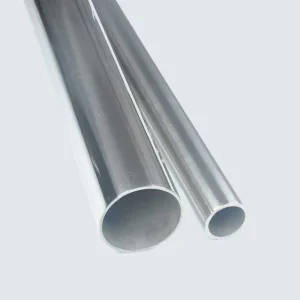
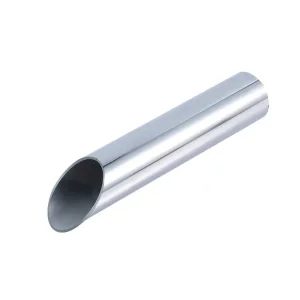
High-Quality Stainless Steel Handrail & Balustrade Tubing (ASTM A554) Manufacturers, Factory

High-Quality Stainless Steel Handrail & Balustrade Tubing (ASTM A554)

View Product Details
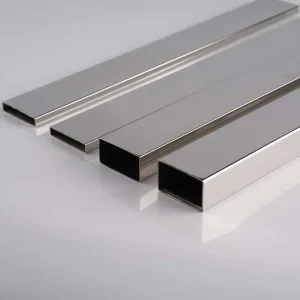
High-Quality Stainless Steel Tubing for Home Storage & Organization Manufacturers, Supplier

High-Quality Stainless Steel Tubing for Home Storage & Organization

View Product Details
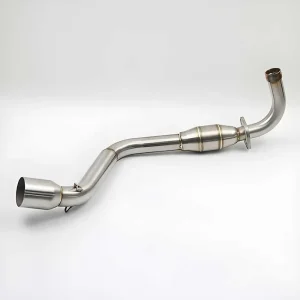
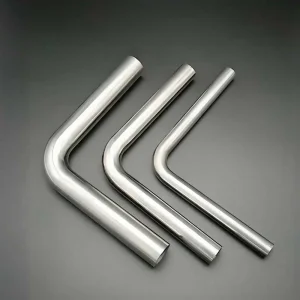
High-Quality Automotive Exhaust & Muffler Tubing (409L / 304) Suppliers, Factories

High-Quality Automotive Exhaust & Muffler Tubing (409L / 304)

View Product Details
OEM Stainless Steel Tubing for Home Appliances & Electric Tools Factories, Factory

OEM Stainless Steel Tubing for Home Appliances & Electric Tools

View Product Details
ODM Marine Grade 316L Stainless Steel Tubing Manufacturer, Suppliers

ODM Marine Grade 316L Stainless Steel Tubing

View Product Details
OEM Stainless Steel Tubing for Conveyor Rollers Manufacturers, Suppliers

OEM Stainless Steel Tubing for Conveyor Rollers

View Product Details
Metallurgical Deep-Dive

304L Stainless Steel Tubing: Engineering Fundamentals & Information Gain

Understanding UNS S30403 / EN 1.4307 microstructural stability, sensitization prevention, and performance metrics.

In modern industrial manufacturing and fluid-conveyance infrastructure, selecting the appropriate austenitic stainless steel tubing grade dictates long-term lifecycle costs, operational uptime, and structural integrity. 304L Stainless Steel Tubing (UNS S30403 / EN 1.4307) represents an extra-low carbon variant of the standard 18/8 (304 grade) alloy. By restricting maximum carbon content to 0.030% (compared to 0.08% in standard 304), leading 304L tubing factories effectively eliminate the risk of intergranular chromium-carbide precipitation—commonly known as sensitization—during heavy welding or thermal processing.

Information Gain Key Takeaway: The Sensitization Mechanism & Intergranular Corrosion

When conventional 304 stainless steel is welded, exposure to temperatures between 425°C and 850°C (800°F–1500°F) causes carbon to combine with chromium along grain boundaries, depleting local chromium below the 10.5% threshold required for passive film formation. 304L eliminates this vulnerability, ensuring post-weld corrosion resistance in aggressive chemical, pharmaceutical, and marine-adjacent environments without requiring post-weld solution annealing.

Metallurgical Comparison & Technical Specifications

To assist procurement engineers and quality assurance directors in making data-driven decisions, the following matrix contrasts the chemical and mechanical parameters of 304L against standard 304 and marine-grade 316L:

Property / Grade Standard 304 (UNS S30400) Low-Carbon 304L (UNS S30403) Marine 316L (UNS S31603)
Carbon (C) Max % 0.08% 0.030% Max 0.030% Max
Chromium (Cr) % 18.0 - 20.0% 17.5 - 19.5% 16.0 - 18.0%
Nickel (Ni) % 8.0 - 10.5% 8.0 - 12.0% 10.0 - 14.0%
Molybdenum (Mo) % N/A N/A 2.0 - 3.0%
Tensile Strength (MPa) Min 515 MPa 485 MPa 485 MPa
Yield Strength 0.2% (MPa) Min 205 MPa 170 MPa 170 MPa
Sensitization Risk Moderate to High during welding Negligible / Protected Negligible / Protected
PREN (Pitting Resistance) ~ 18.0 - 20.0 ~ 17.5 - 19.5 ~ 23.0 - 25.0

While 304L exhibits slightly lower nominal yield strength compared to standard 304 due to reduced interstitial carbon strengthening, advanced tube mills overcome this by employing controlled cold-drawing and precision sizing steps. This yields dual-certified 304/304L tubing that meets both the low-carbon chemical requirements of 304L and the elevated mechanical strength benchmarks of 304.

Global Market Analysis

Enterprise Procurement Dynamics & Global Commercial Status

How multi-national EPC firms, tier-1 automotive suppliers, and industrial OEMs navigate stainless tubing supply chains.

North American Infrastructure Surge

Driven by energy transition initiatives, water infrastructure upgrades, and domestic chemical plant expansions, North American buyers prioritize ASTM A249/A269 compliant 304L tubing with complete MTR traceability (EN 10204 3.1) and strict wall-thickness tolerances.

European CE & PED Compliance

EU procurement frameworks demand compliance with Pressure Equipment Directive (PED 2014/68/EU) and EN 10217-7 standards. Environmental regulations (REACH/RoHS) require 304L factories to eliminate hazardous degreasing solvents and implement closed-loop pickling lines.

Asia-Pacific Industrial Clustering

Foshan, China serves as the dominant global manufacturing nexus for welded stainless steel tubing. Regional clusters leverage integrated supply chains—from hot-rolling mills (TISCO, Baosteel, POSCO) to high-speed plasma welding and automatic PVD coating lines—delivering unprecedented cost-efficiency.

43+
Operational Tube Mills
12,000m²
Integrated Production Footprint
±0.05mm
Precision OD/Wall Tolerance
500+
Custom Profile Moulds
Cross-Sector Applications

Macro Industry Solutions & OEM Engineering Use-Cases

How 304L stainless steel tubing solves structural, thermal, and hygienic challenges across key global sectors.

Automotive E-Mobility & Structural Chassis Assemblies

Tier-1 automotive manufacturers require high-strength, lightweight 304L structural tubing for battery pack frames, seat structures, and hydroformed chassis components. 304L’s superior deep-drawing ductility enables complex CNC bending without throat cracking, ensuring occupant crash safety and mass reduction for Electric Vehicles (EVs).

Sanitary, Food & Beverage & Pharmaceutical Conveyance

Hygienic processing lines demand internal surface roughness (Ra) below 0.4 µm to prevent bacterial adhesion and bio-film formation. 304L tubes undergo inner-weld bead planishing and bright hydrogen annealing, yielding smooth bores compatible with CIP (Clean-In-Place) and SIP (Sterilization-In-Place) protocols.

Architectural Handrails, Balustrades & Glass Systems

Architectural fabricators rely on ASTM A554 304L round, square, and rectangular tubing featuring 600# mirror, satin 320#, or PVD titanium color finishes. The low-carbon chemistry ensures long-term exterior durability without brown "tea-staining" in urban commercial buildings, airport terminals, and transit hubs.

Hydrogen Storage & Low-Temperature Cryogenics

Austenitic 304L stainless steel maintains exceptional impact toughness down to cryogenic temperatures (-196°C / 77 K). Unlike ferritic steels that suffer ductile-to-brittle transition, 304L welded tubing remains stable, serving as reliable piping for liquid nitrogen, LNG bunkering, and gaseous hydrogen lines.

Industry 4.0 & Sustainability

Technical Roadmap & Next-Generation Manufacturing Outlook

How leading 304L tubing factories are transforming production through smart automation, laser diagnostics, and decarbonization.

Inline AI Laser & Eddy-Current Testing

Modern tube mills integrate continuous 360° Eddy-Current Non-Destructive Testing (NDT) alongside laser triangulation profile gauges. Real-time machine learning algorithms monitor weld fusion depth, flagging micro-porosity and wall-thinning defects instantly at line speeds up to 60 m/min.

Hydrogen Bright Annealing Technology

Replacing standard open-air annealing with high-purity 100% dry hydrogen atmosphere furnaces prevents scale formation and chromium oxidation. The result is an ultra-clean, mirror-bright surface finish on both inner and outer tube walls without requiring chemical acid pickling.

Green Steel & Circular Lifecycle Integration

To align with global Scope 3 emissions reduction targets, 304L factories are increasing Electric Arc Furnace (EAF) scrap charge ratios to over 85%. Powered by solar micro-grids, green 304L tubing reduces embodied carbon footprint by up to 60% compared to blast-furnace routes.

Quality & Compliance Framework

Localized Support, Standards Compliance & Audit Safeguards

Ensuring frictionless international trade, anti-dumping compliance, and rigorous quality verification for global buyers.

Navigating cross-border procurement for industrial steel products requires robust regulatory documentation and adherence to global manufacturing standards. A premier 304L stainless steel tubing manufacturer operates under a certified ISO 9001:2015 Quality Management System, providing end-to-end auditability from raw strip sourcing to final container loading.

Core International Standards Supported

  • ASTM A554: Standard Specification for Welded Stainless Steel Mechanical Tubing (Ornamental, Structural, Custom Shapes).
  • ASTM A249 / A269: Standard Specifications for Nominal-Wall-Thickness Welded Austenitic Steel Tubes for Condensers, Heat Exchangers, and General Corrosion-Resisting Service.
  • EN 10217-7: Welded steel tubes for pressure purposes — Technical delivery conditions (Austenitic stainless steel).
  • JIS G3446: Stainless steel pipes for building structural purposes.

Mill Test Report (MTR) Integrity: EN 10204 3.1 & 3.2 Certification

Every shipment of 304L tubing is accompanied by an official Mill Test Report detailing exact heat number tracking, chemical ladle analysis, yield/tensile/elongation mechanical results, hydrostatic or eddy-current NDT results, and flattening/flaring bend test data.

Global Logistics, Packaging & Anti-Dumping Solutions

To prevent shipping damage during transoceanic transit, 304L tubing is individually protected with plastic protective sleeving, wrapped in heavy-duty waterproof woven polyethylene bags, and packed into solid wooden cases or reinforced steel crating. Export teams assist buyers with tariff classification (HS Code: 7306.40, 7306.61), Certificate of Origin (Form E, Form F, CO) documentation, and customized shipping terms (FOB, CIF, DDP) to streamline customs clearing.

Specialized & Fabricated Tubing Range

Precision Fabrication, Sanitary Grades & Custom Profiles

Review our specialized product portfolio engineered for sanitary fittings, grab bars, CNC machined parts, and heavy structural hollow sections.

China Sanitary Grade Precision Stainless Steel Tubing Manufacturers, Manufacturer

China Sanitary Grade Precision Stainless Steel Tubing

View Product Details
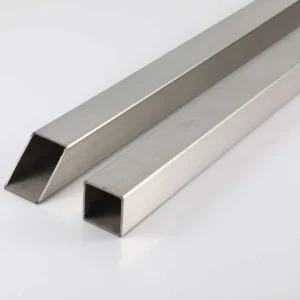
ODM ASTM A554 Stainless Steel Square & Rectangular Tubing Supplier, Factory

ODM ASTM A554 Stainless Steel Square & Rectangular Tubing

View Product Details
High-Quality Stainless Steel Tubing for Medical Safety Grab Bars Manufacturer, Supplier

High-Quality Stainless Steel Tubing for Medical Safety Grab Bars

View Product Details
China OEM Stainless Steel Tube Fabrication & CNC Machining Manufacturers, Suppliers

China OEM Stainless Steel Tube Fabrication & CNC Machining

View Product Details
High-Quality ASTM A554 Stainless Steel Round Tubing (Ornamental & Structural) Manufacturer, Suppliers

High-Quality ASTM A554 Stainless Steel Round Tubing

View Product Details
China Decorative Stainless Steel Tubing for Furniture (201 & 304) Manufacturer, Supplier

China Decorative Stainless Steel Tubing for Furniture (201 & 304)

View Product Details
OEM Stainless Steel Tubing for Industrial Racks & Workstations Manufacturer, Factories

OEM Stainless Steel Tubing for Industrial Racks & Workstations

View Product Details
High-Quality Medical Grade Stainless Steel Tubing for Hospital Furniture Factories, Factory

High-Quality Medical Grade Stainless Steel Tubing for Hospital Furniture

View Product Details
Technical FAQ Knowledge Base

Frequently Asked Questions by Industrial Buyers & Procurement Engineers

Expert metallurgical and commercial answers to resolve technical inquiries prior to order placement.

What is the primary operational advantage of choosing 304L over standard 304 stainless steel tubing?
The primary advantage of 304L lies in its lower carbon threshold (≤ 0.030%). During welding, standard 304 (up to 0.08% carbon) forms chromium carbides at grain boundaries between 425°C–850°C, causing localized chromium depletion and leaving the weld zone susceptible to intergranular corrosion. 304L eliminates this sensitization risk, allowing direct post-weld service in corrosive media without requiring expensive heat treatment.
How does a 304L stainless steel tubing factory guarantee dimensional precision and wall thickness uniformity?
Leading factories utilize precision cold-rolled raw strip from tier-1 steel mills (such as TISCO or POSCO) with strip thickness tolerances held to ±0.02 mm. During tube forming, automated high-frequency plasma/TIG welding lines coupled with laser outer-diameter monitoring and continuous inline sizing rollers maintain outer diameter (OD) tolerances within ±0.05 mm and straightness within 1 mm per meter.
Can 304L tubing be used for marine or high-chloride environments?
While 304L provides excellent atmospheric and mild chemical corrosion resistance, marine environments with high ambient chloride concentrations (sea spray, salt spray testing > 500 hours) generally require 316L stainless steel due to its 2.0-3.0% molybdenum addition. However, 304L performs exceptionally well in splash zones if passivated properly or protected with specialized PVD coating layers.
What secondary fabrication services can be performed directly at the factory?
In-house fabrication capabilities include 3D CNC tube bending, precision rotary laser slotting and punching, end flaring, necking, swaging, thread cutting, inner-seam bead planishing, micro-polishing (mirror 600# / satin 320#), and custom PVD titanium coating (rose gold, black titanium, brass, champagne).
What testing and certification documentation is provided with wholesale orders?
Every shipment includes an EN 10204 3.1 Certified Mill Test Report (MTR). Documentation details chemical heat analysis, mechanical tensile/yield test results, elongation percentage, hardness values (HRB/HV), flattening and flaring bend test verifications, and 100% Non-Destructive Eddy Current or Hydrostatic pressure test reports.
What are the standard Minimum Order Quantities (MOQ) and production lead times?
Standard mill MOQ is typically 500 kg per individual diameter and finish for catalog sizes. For custom shapes, profiles, or specific PVD color runs, the MOQ is 1,000 kg (1 metric ton). Standard production lead times average 15 to 20 working days following technical drawing sign-off and deposit confirmation.