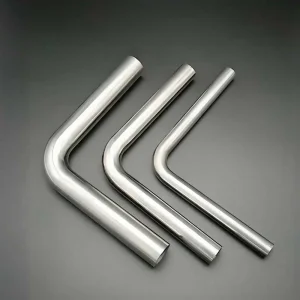
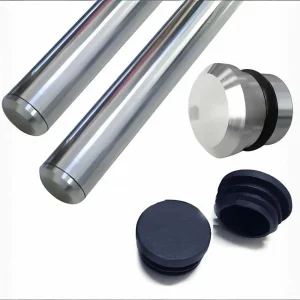
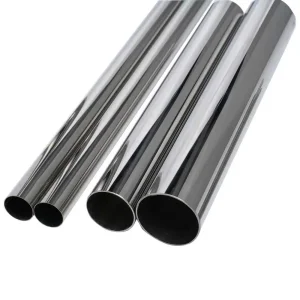
Explore our core engineering offerings built for architectural hardware, furniture frames, medical fixtures, and heavy structural assemblies.
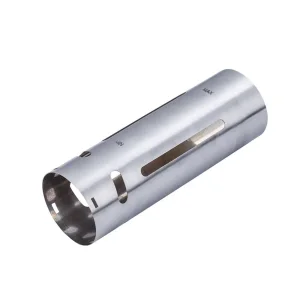
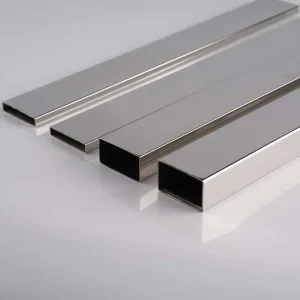
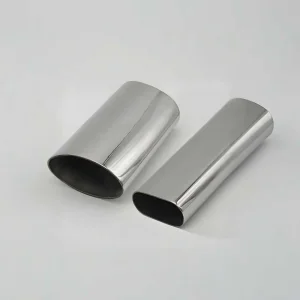
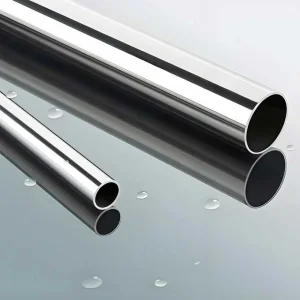
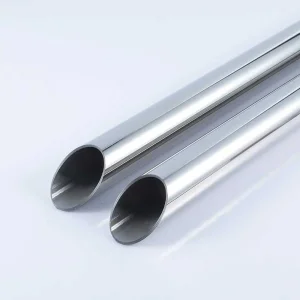
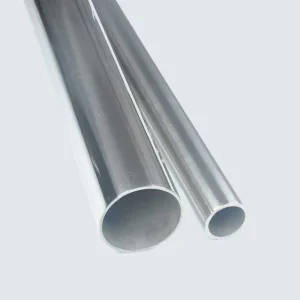
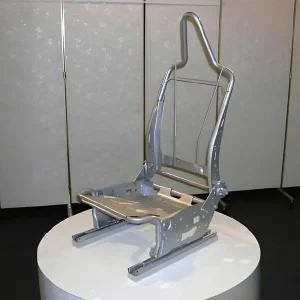
Strategic shifting towards high-durability austenitic alloys, precision tube roll-forming, and automated CNC fabrication across modern commercial infrastructure.
Global procurement managers are increasingly moving away from electroplated mild steel and cast aluminum sub-assemblies in favor of 4 stainless steel leg systems. Fluctuating nickel and chromium commodity prices require modern OEMs to work directly with vertically integrated mills that control slitting, plasma welding, and surface treatment in-house. This direct supply chain integration guarantees batch-to-batch chemical integrity, mitigating the risk of stress corrosion cracking (SCC) and intergranular degradation.
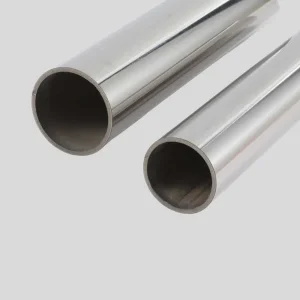
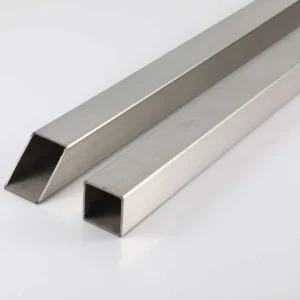
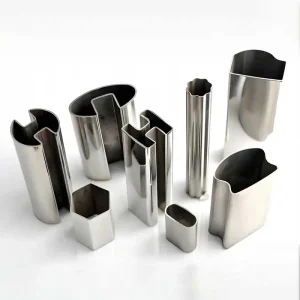
The structural geometry of a 4-leg configuration offers unmatched mechanical stability under dynamic vertical forces and torsional moments compared to tripod or single-pedestal designs. By utilizing Finite Element Analysis (FEA), premier manufacturers optimize wall thickness (ranging from 0.8mm to 3.0mm) and tube profile geometry (round, square, rectangular, or custom oval) to maximize yield strength without introducing redundant tare weight in commercial furniture and industrial equipment.
Traditional manual TIG welding and mechanical notch cutting are being superseded by 5-axis CNC laser cutting, automated mandrel tube bending, and robotic orbital welding. This technological shift allows leading factories to hold outside diameter (OD) tolerances within ±0.05 mm and straightness metrics within 1 mm/m, ensuring seamless integration into high-end architectural systems, modular workstation frames, and sanitary medical furniture.
Selecting the optimal stainless steel alloy (201, 304, 304L, 316, 316L) according to ASTM A554 standards is crucial for meeting load-bearing thresholds and environmental corrosion resistance.
| Grade | Chemical Composition Key Elements | Tensile / Yield Strength (MPa) | Corrosion Resistance (PREN & Salt Spray) | Primary Industrial Application |
|---|---|---|---|---|
| AISI 201 (High Cu) | 16-18% Cr, 3.5-5.5% Ni, 5.5-7.5% Mn, Cu added | ≥ 520 / ≥ 275 | Low-Moderate (48h - 96h Neutral Salt Spray) | Indoor furniture, decorative commercial table legs, display hardware. |
| AISI 304 / ASTM A554 | 18-20% Cr, 8-10.5% Ni, ≤ 0.08% C | ≥ 515 / ≥ 205 | High (240h - 400h Neutral Salt Spray) | Standard industrial workbenches, cleanroom equipment, residential furniture legs. |
| AISI 316L (Low Carbon) | 16-18% Cr, 10-14% Ni, 2-3% Mo, ≤ 0.03% C | ≥ 485 / ≥ 170 | Ultra-High (500h+ Neutral Salt Spray, PREN ≥ 23) | Marine furniture, coastal outdoor dining, pharmaceutical & hospital sanitary legs. |
| AISI 409L / 430 | 10.5-11.7% Cr, Ti Stabilized, Ferritic | ≥ 380 / ≥ 175 | Moderate (Mild atmospheric exposure) | Automotive structural framing, sub-chassis mounting legs, exhaust brackets. |
The longevity of a 4 stainless steel leg system relies on the continuous passivation layer of chromium oxide (Cr₂O₃) that forms naturally on the surface. Advanced manufacturing protocols involve chemical pickling and passivation treatment to clear free iron residues introduced during forming, preventing localized tea-staining and micro-pitting in humid environments.
From architectural satin (180# / 240# / 320# grit) to ultra-reflective 600# mirror polish, surface topography directly dictates hygiene maintainability and aesthetic appeal. Furthermore, modern Physical Vapor Deposition (PVD) titanium ion coating adds a 0.3–0.5 µm protective ceramic layer available in Rose Gold, Champagne, Matte Black, and Brushed Brass finishes, delivering superior scratch resistance and color retention.
Rigorous empirical testing standards verified across fully automated tube roll-forming mills and secondary fabrication shop floors.
How localized compliance standards, structural requirements, and environmental factors drive custom 4 stainless steel leg designs around the world.
In the North American corporate and manufacturing sectors, compliance with ANSI/BIFMA X5.5 desk and table products standards is mandatory. 4 stainless steel leg assemblies for commercial office desks require integrated height-adjustment mechanisms, cable management channels, and heavy load-bearing capacities (exceeding 300 kg static load). Factories supply heavy-gauge square (50x50mm, 60x60mm) 304 tube legs with welded mounting plates and leveler glides to meet strict ergonomics and safety codes.
European healthcare facilities demand strict adherence to ISO 13485 and sanitary design guidelines (such as EHEDG). Leg structures for medical beds, surgical trolleys, and cleanroom tables utilize seamlessly welded 316L stainless steel tubing with surface roughness Ra ≤ 0.4 µm. This micro-smooth finish eliminates crevice corrosion and harbor points for bio-contaminants, enduring aggressive cleaning agents such as hydrogen peroxide and chlorine disinfectants.
High-end resorts, outdoor dining spaces, and mega-yachts in tropical or coastal regions face extreme saline atmosphere exposure. Standard 304 alloys often develop surface staining within months under these conditions. Specifying OEM marine-grade 316L 4-leg systems with electro-polished surfaces ensures long-term resistance against pitting corrosion caused by chloride ions in airborne sea spray.
How Industry 4.0, circular economy principles, and advanced additive manufacturing are transforming quadrupedal structural components.
Next-generation industrial legs are evolving into smart structural components. By embedding miniaturized strain gauges and optical fiber sensors inside hollow stainless steel legs, industrial workstations can monitor real-time weight distribution, structural deflection, and mechanical vibration, predicting maintenance needs before structural failure occurs.
Leading factories are committing to decarbonization targets by incorporating scrap-based electric arc furnace (EAF) stainless steel with up to 90% recycled metal content. Combined with green hydrogen-powered annealing furnaces, the carbon footprint per linear meter of stainless steel tubing is reduced by up to 60%.
To eliminate complex manual welding assembly for 4-leg joining nodes, modern production lines integrate 3D metal printing (Direct Energy Deposition) with CNC machining. This enables topologically optimized, ultra-lightweight mounting flanges fused directly to cold-drawn stainless steel legs.
Direct answers from our metallurgical quality assurance engineers and structural designers to address common procurement and design questions.
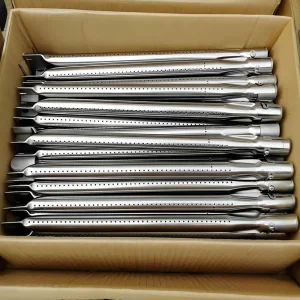
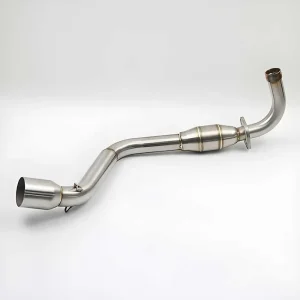
Comprehensive tubular solutions manufactured for home storage, automotive, gas burner systems, and heavy industrial racks.