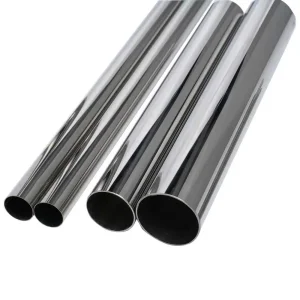
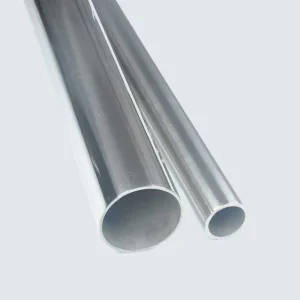
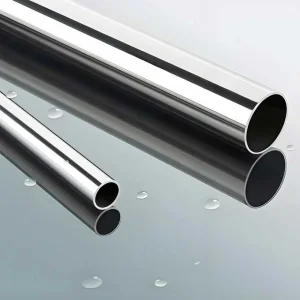
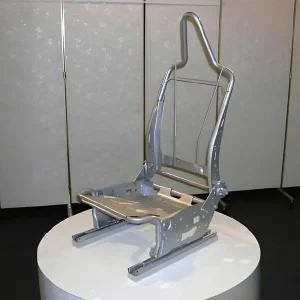
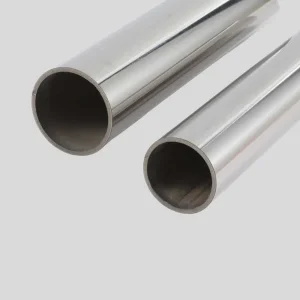
Explore our top-tier precision stainless steel tubes engineered for sanitary hardware, medical grab bars, structural framing, and automotive OEM applications.
Analyzing demographic shifts, mandatory accessibility standards (ADA / EN 12182), and metallurgical engineering demands across international markets.
Strict compliance with ADA 28 CFR Part 36 (US), BS 8300 (UK), and DIN 18040 (Germany) mandates static pull-force capacities exceeding 250 lbs to 500 lbs (1.11 kN to 2.22 kN), requiring zero-defect weld seams and precise wall thickness integrity.
High humidity, personal hygiene chemicals, steam, and saline cleaning agents subject grab bar tubes to extreme localized pitting and stress corrosion cracking (SCC), necessitating ASTM A554 304 and marine-grade 316L stainless steel alloys.
Modern architectural trends favor luxury finishes—such as physical vapor deposition (PVD) matte black, brushed rose gold, gunmetal, and knurled ergonomic surfaces—shifting grab bars from sterile medical props into refined decor elements.
Why top global brands, medical device procurement specialists, and sanitary hardware OEMs source their grab bar tubing from Foshan's integrated stainless steel hub.
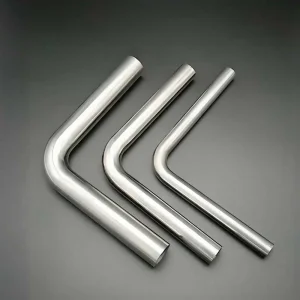
Foshan mills maintain strategic partnerships with primary steel producers (TISCO, POSCO, Baosteel), ensuring 100% prime virgin coils with zero recycled scrap contamination. In-house slitting and roll-forming eliminate third-party markup and guarantee consistent mechanical elongation (≥ 40%) crucial for zero-crack 90° CNC bending.
Leading Chinese factories deploy continuous online Eddy Current Defect Detection and automated weld-bead planishing. Nitrogen-shielded inner seam cooling prevents interior oxidation, ensuring smooth insertion of internal mounting flanges, expanding anchors, and electrical heating elements.
While Western fabrication centers require 6 to 10 weeks for custom die creation and sample clearance, Foshan tube mills utilize a modular library of over 500 existing roll-forming dies and CNC bending attachments. Custom grab bar prototypes with specialized knurling, flared ends, or oval contours can be sampled within 5 to 7 business days, reducing time-to-market by up to 75%.
Comprehensive chemical composition, mechanical performance standards, and surface finish tolerances for high-reliability sanitary grab bar tubes.
| Alloy Grade | ASTM Standard | Chemical Composition (Key Elements) | PREN Value | Salt Spray Resistance | Primary Industrial Application |
|---|---|---|---|---|---|
| AISI 304 | ASTM A554 / A269 | 18% Cr, 8% Ni, ≤0.07% C | ~19.0 | 240 - 360 Hours | Standard indoor residential bathrooms, hotel guest rooms, commercial washrooms. |
| AISI 316L | ASTM A554 / A249 | 16.5% Cr, 10% Ni, 2.1% Mo | ~23.5 | 500 - 1000+ Hours | Marine showers, coastal resorts, psychiatric care facilities, hospital wet rooms. |
| AISI 201 (Cu High) | ASTM A554 | 15% Cr, 1.5% Ni, 1.5% Cu, 8% Mn | ~15.5 | 96 - 120 Hours | Budget residential hardware, dry indoor handicap support rails, temporary installations. |
How technical tube specifications are tailored to specialized healthcare, hospitality, residential, and industrial environments.
Requires heavy-wall (1.8 mm – 2.0 mm) ASTM A554 304/316L tubing capable of sustaining static loads up to 500 lbs (226 kg). Tubes are frequently integrated with antimicrobial PVD titanium coatings or silver-ion anti-bacterial surfaces to control nosocomial cross-contamination.
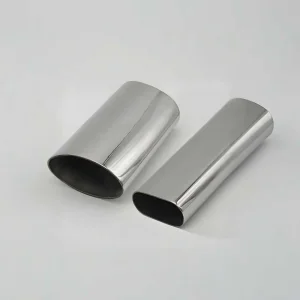
Focuses on warm-touch aesthetic integration and tactile grip safety. Tube profiles feature high-precision knurling or oval ergonomic geometries (e.g., 25x38 mm oval tubes) that naturally align with human hand anatomy, reducing grip fatigue for elderly users.
Demands high-end physical vapor deposition (PVD) finishes matching designer faucet trim. Options include Matte Black, Brushed Nickel, Champagne Gold, and Gunmetal Gray applied over 600# mirror-polished 304 tube substrates for flawless reflection.
A step-by-step framework for B2B procurement managers, OEM engineers, and quality assurance auditors sourcing stainless steel grab bar tubing.
Enforce strict provision of EN 10204 3.1 Material Test Certificates with every shipment. Chemistry must confirm genuine Chromium, Nickel, and Molybdenum content verified via PMI Spectrometer testing.
Every linear meter of welded tubing must pass continuous inline Eddy Current defect detection (ASTM E426) to catch micro-fissures or weld pinholes before secondary CNC bending.
Random batch sampling subjects tubes to 90° and 180° flattening tests per ASTM A530/A530M. The weld seam must demonstrate equal ductility to the parent metal without splitting.
Tubes must be individually PE sleeved, bundled with heavy-duty woven wrapping, and packed in reinforced plywood crates or steel-framed export pallets to prevent ocean transit scratching.
Emerging technologies shaping the next generation of architectural and medical safety tube manufacturing.
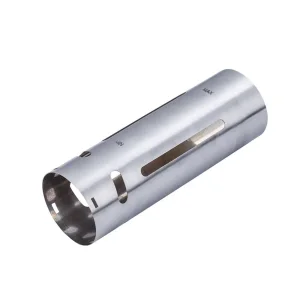
Integration of IoT sensor arrays, internal LED motion-activated illumination, and strain-gauge weight tracking directly into the hollow bore of stainless steel tubes. Requires high-precision internal deburring and laser-cut wire channel slots.
Transition away from traditional hexavalent chrome electroplating toward eco-conscious Physical Vapor Deposition (PVD) and thermal powder coatings that eliminate toxic liquid effluents and comply with REACH / RoHS 3 environmental legislation.
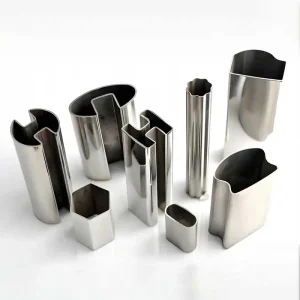
Growing architectural preference for D-shaped, elliptical, and flat-oval tubes that offer superior palm grip surface area and higher structural resistance against vertical bending moments compared to traditional round tubes.
In-depth engineering answers to common procurement, metallurgical, and manufacturing queries.
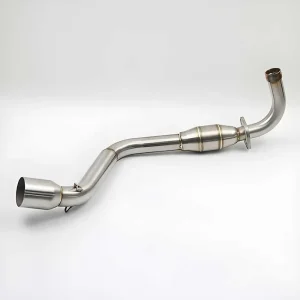
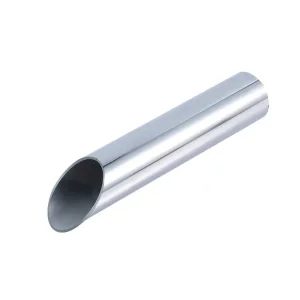
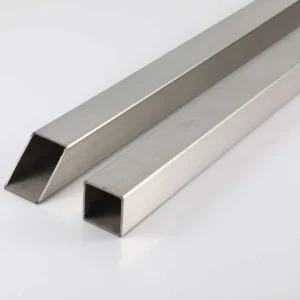
Explore our full OEM line including decorative furniture tubes, exhaust tubing, oval special shapes, and high-performance balustrade systems.