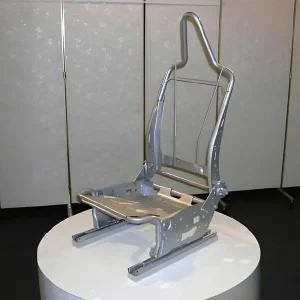
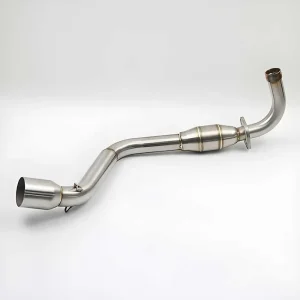
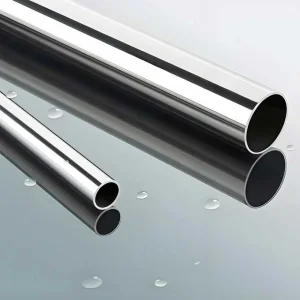
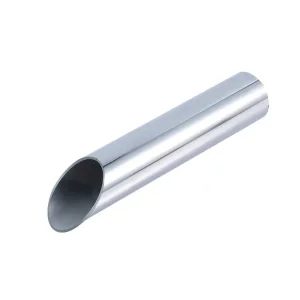
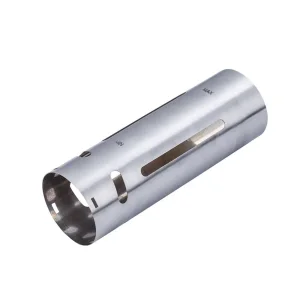
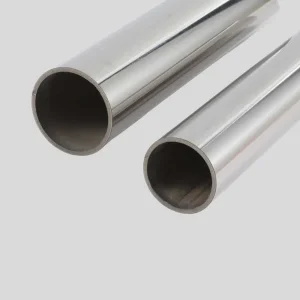
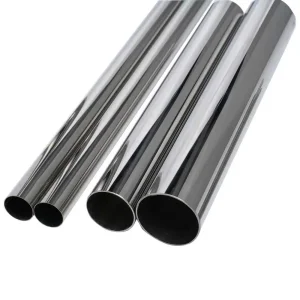
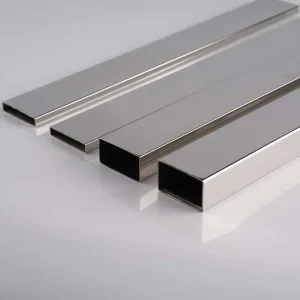
Explore our top-tier ASTM A554 welded stainless steel tubing options, engineered specifically for high-load seating frames, architectural handrails, and industrial structural chassis.
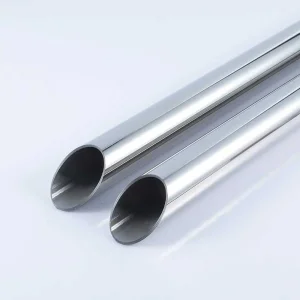
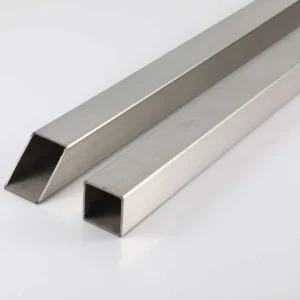
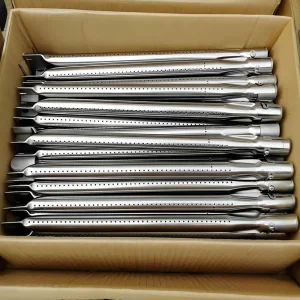
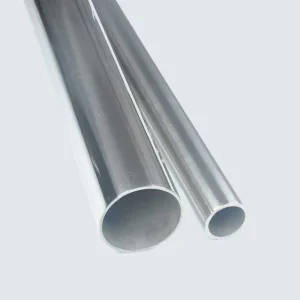
In modern commercial design, healthcare equipment engineering, and automotive seating architecture, the structural foundation dictates product reliability, ergonomic performance, and compliance longevity. Selecting high-quality chair framework manufacturers is no longer merely a purchasing transaction—it is a strategic metallurgical decision. Modern global procurement teams require frameworks that bridge the gap between high static tensile strength, cyclical fatigue resistance, aesthetic surface perfection, and strict adherence to international standardizations such as BIFMA X5.1, EN 1335, and ISO 9001.
Global demand shifts indicate a rapid transition from traditional painted carbon steel components to high-grade austenitic (AISI 304 / 316L) and modified ferritic/martensitic stainless tubing profiles. The key driver behind this transformation is total cost of ownership (TCO). While standard carbon steel frameworks suffer from coating chipping, internal corrosion, and structural fatigue over 3 to 5 years, precision-engineered stainless steel chair frames maintain mechanical integrity and chemical passivation for decades, even under rigorous daily sterilization in healthcare environments or high-salinity outdoor hospitality setups.
Delving deep into the material chemistry, cold-drawing tolerances, micro-structure purging, and CNC bending dynamics that power next-generation seat framework manufacturing.
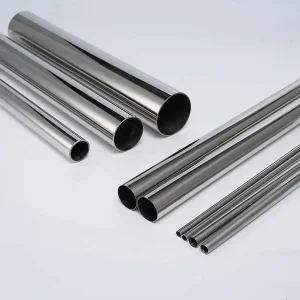
Utilizing internal argon/nitrogen gas purging during continuous roll-forming to eliminate seam oxidation, preventing weld-line brittleness and ensuring maximum bending ductility without seam splitting.
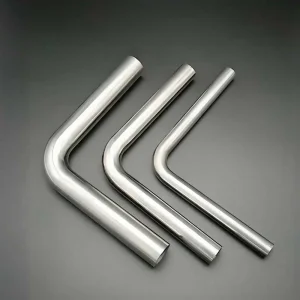
Precision cold-bending utilizing internal mandrel support guarantees tight centerline radii without tube flattening, wall thinning, or micro-cracking across complex 3D seating contour paths.
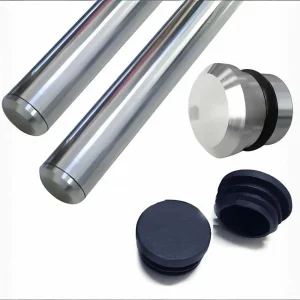
Four-pass automated mechanical polishing up to 600# Mirror finish combined with Physical Vapor Deposition (PVD) titanium coating for superior scratch resistance and architectural color customizability.
Choosing the correct stainless steel alloy directly affects structural load limits, anti-corrosion performance, and final unit pricing. Below is our engineering comparison matrix used by procurement directors to select framework materials:
| Stainless Grade | Tensile Strength (MPa) | Yield Strength (MPa) | Corrosion Resistance | Target Seating Applications |
|---|---|---|---|---|
| AISI 201 (High-Cu) | ≥ 650 | ≥ 310 | Moderate (Indoor) | Commercial office chairs, indoor stackable dining seating, residential frames. |
| AISI 304 (18/8) | ≥ 520 | ≥ 205 | High (Humid / General) | Executive ergonomic seating, airport lounges, public transport, luxury furniture. |
| AISI 316L (Low-Carbon) | ≥ 485 | ≥ 177 | Extreme (Marine / Acid) | Outdoor resort loungers, marine vessel helm seating, surgical operating chairs. |
| 409L / Structural Alloy | ≥ 380 | ≥ 205 | Industrial Coating Ready | Automotive seat frames, sub-chassis structures, concealed mechanical recliners. |
From heavy-duty medical recliners to ultra-light commercial aerospace and corporate executive seating, discover how our custom tube profiles support diverse global markets.
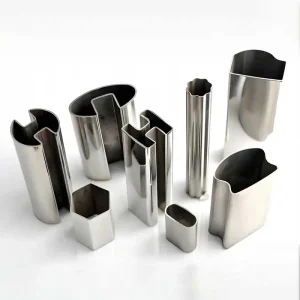
Corporate workspace chair frames must endure non-stop operational usage under highly variable user weights. By implementing thin-wall, high-yield square and oval tubing (such as 25x1.5mm or custom D-shape profiles), framework manufacturers achieve light unit mass while passing the stringent ANSI/BIFMA X5.1 drop and tilt tests. The seamless weld-bead finish enables rapid powder coating or high-gloss chrome plating with zero surface defects.
In hospital and long-term care environments, chair frameworks are continuously subjected to harsh chemical disinfectants, isopropyl alcohol, and high-pressure steam cleaning. Standard painted frames quickly fail due to undercut rust formation. Utilizing sanitary-grade polished AISI 304/316L stainless steel tubing prevents bacterial colonization, eliminates paint shedding risks in sterile zones, and withstands continuous heavy patient loads up to 300 kg.
Salt fog exposure along coastal resorts, cruise ship decks, and open-air transportation hubs rapidly degrades conventional structural metals. Marine-grade 316L tubing containing 2–3% Molybdenum delivers uncompromised resistance against chloride pitting and crevice corrosion. Over 500 hours of neutral salt spray testing (ASTM B117) proves that passivated stainless steel frames preserve structural strength without aesthetic degradation.
Empowering international buyers with complete supply chain transparency, international certified quality, and localized engineering assistance.
Every batch of raw coil supplied by premium mills (TISCO, Baosteel, POSCO) comes with EN 10204 3.1 certification detailing chemical composition, yield strength, tensile limits, and elongation stats.
Custom protective plastic sleeving, anti-corrosion woven wrapping, reinforced iron crating, and wooden palletization prevent surface scratches and structural deformation during sea transit.
Committed to REACH and RoHS environmental standards. Over 98% of in-house scrap tubing and metal shavings are recycled, drastically lowering the carbon footprint of your end seating products.
Get definitive answers from our senior metallurgical team regarding load limits, customized tooling, anti-cracking measures, and order logistics.
Expand your OEM sourcing options with our precision-fabricated structural tubing, automotive chassis components, and marine-grade stainless profiles.