Explore our top-tier precision welded and seamless tubular components designed for high-torque electric tools, smart home appliances, and luxury commercial hardware.
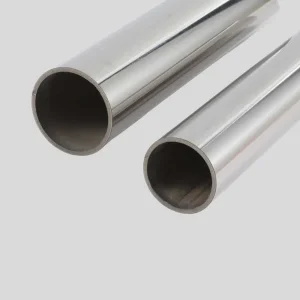
OEM Stainless Steel Tubing for Conveyor Rollers Manufacturers, Suppliers
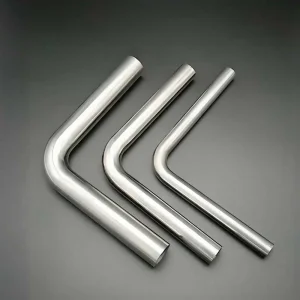
China Decorative Stainless Steel Tubing for Furniture (201 & 304) Manufacturer, Supplier
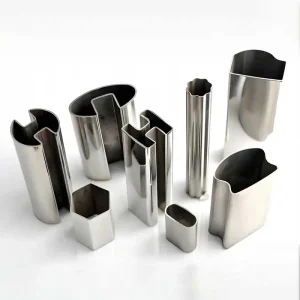
OEM ASTM A554 Stainless Steel Oval & Special Shaped Tubing Manufacturers, Supplier
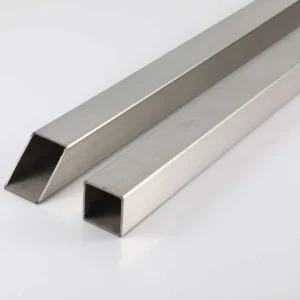
High-Quality Medical Grade Stainless Steel Tubing for Hospital Furniture Factories, Factory
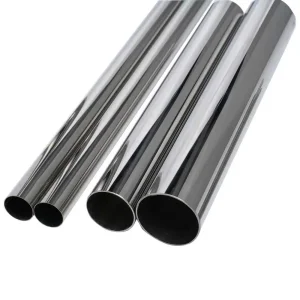
ODM Marine Grade 316L Stainless Steel Tubing Manufacturer, Suppliers
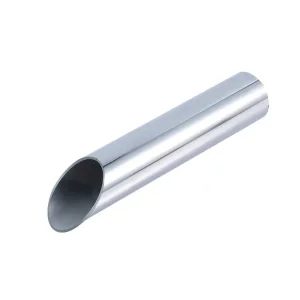
OEM Stainless Steel Tubing for Industrial Racks & Workstations Manufacturer, Factories
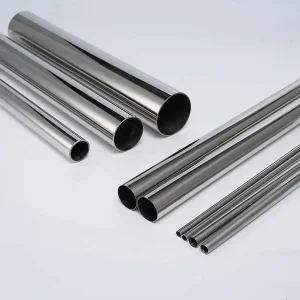
High-Quality Stainless Steel Handrail & Balustrade Tubing (ASTM A554) Manufacturers, Factory
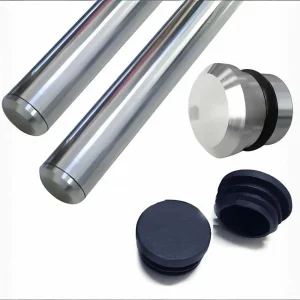
OEM Stainless Steel Tubing for Home Appliances & Electric Tools Factories, Factory
Quantifiable operational capabilities engineered to meet high-volume OEM/ODM demand for luxury consumer electronic enclosures and electric wine opener sleeves.
In the contemporary consumer electronics and luxury home barware domain, the electric wine opener tube serves not merely as a decorative aesthetic shell, but as a critical structural chassis housing high-torque planetary gearboxes, lithium-ion battery modules, micro-switches, and precision corkscrews. As global brands transition toward sleeker, quieter, and more durable ergonomics, the demand for high-quality, precision-engineered metal tubes—primarily constructed from austenitic stainless steel (AISI 304/316L) and high-tensile anodized aluminum alloys (6063-T5/6061-T6)—has expanded rapidly.
A superior electric wine opener housing must satisfy a rigorous matrix of mechanical and chemical parameters: zero circumferential distortion under motor stall-torque conditions, exceptional tactile surface finish (avoiding fingerprint smudges and environmental tarnishing), precise axial concentricity to prevent gear misalignment, and compliance with stringent international food-contact and chemical safety regulations. This technical whitepaper delves into the engineering methodologies, advanced fabrication cycles, Chinese supply chain dynamics, and localized regulatory frameworks required to manufacture world-class electric wine opener tubes at scale.
During the cork extraction sequence, an electric corkscrew generates dynamic rotational forces up to 12.5 to 16.0 Nm. If the outer housing tube exhibits wall thickness variations greater than ±0.05 mm or subtle micro-cracks along welded seams, the structural resonance can amplify motor noise above 65 dB and lead to premature mechanical fatigue. VertexFlow’s cold-drawn planished tubing ensures a perfectly isotropic grain structure capable of dampening high-frequency micro-vibrations.
Achieving the perfect balance between luxury feel, tactile comfort, structural resilience, and cost efficiency requires a granular understanding of metallurgy and tube-forming technology. Below are the primary materials and manufacturing methods utilized in high-grade wine opener sleeve fabrication:
Stainless steel remains the gold standard for premium, high-end electric wine openers. Grade 304 (18/8 Chromium-Nickel) offers exceptional oxidation resistance, structural strength, and outstanding deep-drawing characteristics. For marine, outdoor, or ultra-luxury applications subject to saline or humid atmospheric conditions, Grade 316L (containing 2-3% Molybdenum) is specified to prevent pitting corrosion and surface "tea-staining".
For mid-to-high-tier consumer markets where lightweight ergonomics and vibrant color palettes are prioritized, aluminum tubing provides an excellent alternative. 6063 aluminum offers fine grain structure after extrusion, making it exceptionally suited for decorative anodizing.
| Technical Parameter | AISI 304 Stainless Steel | AISI 316L Stainless Steel | Aluminum 6063-T5 | Testing Standard |
|---|---|---|---|---|
| Density (g/cm³) | 7.93 | 7.98 | 2.70 | ASTM B211 / B221 |
| Tensile Strength (MPa) | ≥ 520 | ≥ 485 | ≥ 185 | ASTM A370 / ISO 6892 |
| Yield Strength (MPa) | ≥ 205 | ≥ 177 | ≥ 145 | ASTM A370 |
| Hardness Rating | HRB 80-90 | HRB 75-85 | Webster ≥ 8-12 | ASTM E18 / E92 |
| Corrosion Resistance | Excellent (Indoor/Residential) | Superior (Marine/Coastal/Spa) | Good (Post-Anodizing) | ASTM B117 Neutral Salt Spray |
| Primary Surface Treatment | Brushed Satin, 600# Mirror, PVD | Passivated Satin, Mirror, PVD | Anodized, Sandblasted, MAO | ISO 2813 / ISO 4287 |
Global procurement teams from leading appliance brands consistently leverage China’s mature industrial ecosystem—specifically localized manufacturing clusters in Foshan and Guangdong Province—to optimize total cost of ownership (TCO) without sacrificing quality. The strategic advantages of sourcing electric wine opener tubes from specialized Chinese manufacturers include:
Unlike regional machine shops that outsource slitting, polishing, or surface treatments, top-tier Chinese tube manufacturers integrate the full processing cycle under one roof. Raw material stainless steel coils (sourced directly from tier-1 steel mills like TISCO, POSCO, and Baosteel) undergo in-house precision slitting, continuous roll-forming, high-frequency welding, online eddy-current testing, bright annealing, automated cut-to-length milling, secondary CNC machining, and final physical vapor deposition (PVD) or chemical passivation.
With thousands of existing roll-forming dies and extrusion tools, Chinese suppliers can frequently match custom outer diameter (e.g., 42.5 mm, 48.0 mm, 50.4 mm) and wall thickness requirements (0.6 mm to 1.5 mm) with zero initial tooling investment. Prototype sample iterations that typically require 6 to 8 weeks in Western facilities are routinely completed within 7 to 10 working days in Foshan.
By operating high-speed multi-line tube mills capable of producing over 900 metric tons of precision tubing monthly, Chinese factories achieve unmatched cost efficiencies in raw material procurement, energy consumption, and automated labor utilization. These savings directly translate into highly competitive unit prices for global OEM/ODM importers.
Procurement executives representing multinational brands must balance price and speed against strict regulatory compliance, quality management system (QMS) auditability, and supply chain transparency. A reliable electric wine opener tube manufacturer must provide complete documentation and testing certification across multiple operational domains:
While the outer tube primarily serves as a hand-held sleeve, internal components and structural spouts frequently come into indirect or direct contact with wine during pouring or aerating cycles. Manufacturers must guarantee that all metal alloys, cutting lubricants, and surface passivations comply with:
Enterprise buyers demand seamless traceability from raw melt heat numbers down to packaged shipping cartons. Advanced factories implement ISO 9001:2015 and IATF 16949 QMS workflows featuring:
The electric wine opener market spans diverse consumer segments, each demanding customized material selections, surface finishes, and structural engineering:
Targeted at high-end wineries, luxury hotels, and executive gifting, these devices utilize heavy-wall AISI 304 or 316L stainless steel tubes (1.0 mm to 1.2 mm wall thickness) with PVD Matte Black, Antique Brass, or Rose Gold coatings. Micro-laser engraved brand logos and seamless window cutouts highlight the precision internal corkscrew mechanism while maintaining a substantial, luxurious hand feel.
Designed for high-volume consumer retail chains (e.g., Target, Walmart, Amazon FBA bestsellers), these products prioritize lightweight ergonomics and economical unit pricing. Extruded 6063 aluminum tubes with sandblasted anodized coatings (Silver, Matte Black, Champagne) provide vibrant aesthetics, efficient thermal dissipation for internal motor drives, and optimized freight weight.
In commercial catering, poolside bars, and marine yacht environments, wine openers face constant exposure to humidity, wine acids, salt spray, and accidental impacts. Heavy-duty 316L stainless steel tubes pass 500+ hours of Neutral Salt Spray (NSS) testing (per ASTM B117 standards) without corrosion, ensuring long-term aesthetic perfection and mechanical reliability.
As smart home ecosystems evolve, the engineering requirements for electric wine opener tubes are undergoing rapid technological transformation:
End-to-end technical capabilities engineered specifically to eliminate common product failures in small home appliances.
Every welded tube undergoes high-temperature annealing and continuous inline eddy-current testing, ensuring 100% ductility during secondary CNC flaring, punching, and bending operations.
Access hundreds of round, oval, square, and custom profile dies immediately, cutting tooling costs to zero and accelerating time-to-market for new appliance product lines.
Marine-grade 316L and passivated 304 tube formulations pass rigorous neutral salt spray tests, guaranteeing zero tea-staining in humid kitchen or bar environments.
State-of-the-art 5-axis fiber laser cutting delivers clean, burr-free window and charging port cutouts with edge precision within ±0.02 mm for perfect assembly fit.
Complete metallurgical documentation provided with EN 10204 3.1 certificates, detailing exact chemical composition and mechanical tensile test records.
Streamlined raw material slitting and multi-line production scheduling ensure rapid order fulfillment from factory floor directly to global sea ports.
Authoritative technical answers compiled by our metallurgical quality team to solve real-world manufacturing and sourcing challenges.
Our standard precision cold-drawing process maintains an outside diameter (OD) tolerance of ±0.05 mm. For high-precision electric wine opener housings where internal planetary gearboxes require tight press-fits, we can supply precision-ground tubing with OD tolerances held to ±0.03 mm and wall thickness variations kept within ±5%. Straightness is strictly controlled to ≤ 0.8 mm per meter.
Surface staining near laser-cut windows or punched button holes typically stems from microscopic free iron particles left behind by tooling or severe thermal oxidation during laser cutting that depletes the local chromium content. To prevent this, VertexFlow subjects all secondary CNC machined tubes to a full chemical pickling and citric acid passivation bath. This removes free iron contaminants and rapidly restores a uniform, self-healing chromium-oxide passive film (minimum 2.0 nm thickness).
A major cause of excessive motor noise (>60 dB) in small cordless appliances is circumferential out-of-roundness (ovalization) or wall thickness asymmetry in the housing tube. When the motor rotates under cork extraction load, an asymmetrical tube amplifies harmonic resonance. We control tube roundness within 0.04 mm total indicator reading (TIR) and offer internal seam planishing to ensure a completely smooth bore (Ra ≤ 0.2 μm), allowing motor dampening rings to seal perfectly.
The choice depends on target market positioning. SS304 stainless steel offers a premium heavy hand feel, superior drop resistance, high scratch hardness, and luxury physical vapor deposition (PVD) finish options (Rose Gold, Mirror Black). Anodized Aluminum 6063 is roughly 65% lighter, offers superior thermal conductivity, is highly cost-effective for mass retail, and allows a wide spectrum of vibrant matte anodized colors. Many leading brands offer both materials across different tier product lines.
Our minimum order quantity for standard outer diameter sizes and satin/mirror finishes is 500 kg per specification. For custom profile dies or proprietary PVD colors, the MOQ is 1,000 kg. Standard production lead time is 15 calendar days following drawing sign-off and sample approval. Expedited emergency batches can be arranged within 10 days for active contract customers.
Yes. All raw material heats are verified for chemical purity, ensuring complete absence of heavy metals (Lead, Cadmium, Mercury, Hexavalent Chromium). Our finished tubes fully comply with RoHS 3.0, REACH SVHC, FDA 21 CFR 175.300, and European LFGB food contact guidelines. Third-party testing reports from SGS or TÜV are provided upon contract request.
From automotive exhaust systems to sanitary precision tubing, review our full manufacturing spectrum.
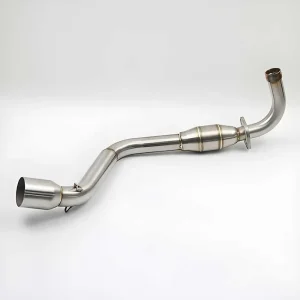
High-Quality Automotive Exhaust & Muffler Tubing (409L / 304) Suppliers, Factories
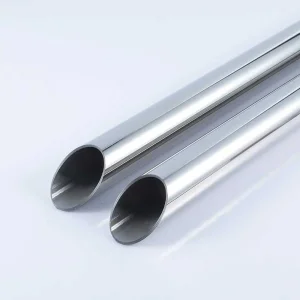
China Sanitary Grade Precision Stainless Steel Tubing Manufacturers, Manufacturer
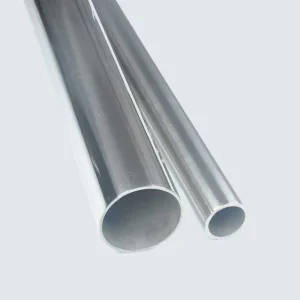
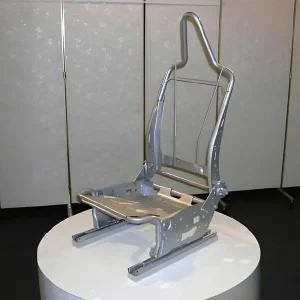
Wholesale Automotive Structural Tubing for Seats & Chassis Manufacturers, Manufacturer
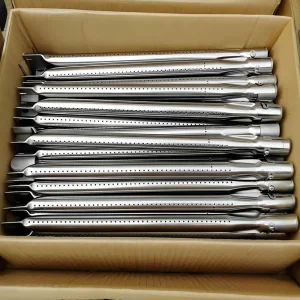
OEM Stainless Steel Gas Grill Burner Tubes (OEM & Aftermarket) Supplier, Factory
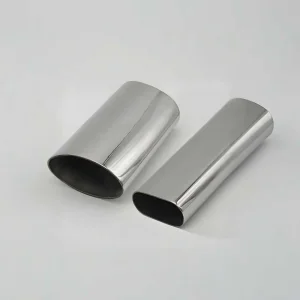
High-Quality Stainless Steel Tubing for Home Storage & Organization Manufacturers, Supplier
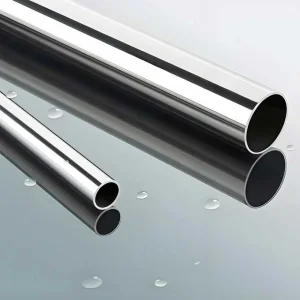
High-Quality Stainless Steel Tubing for Medical Safety Grab Bars Manufacturer, Supplier
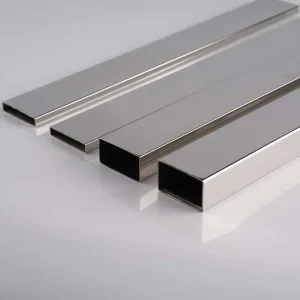
ODM ASTM A554 Stainless Steel Square & Rectangular Tubing Supplier, Factory