Direct-from-factory engineered solutions produced in Foshan under strict ISO 9001:2015 quality standards.
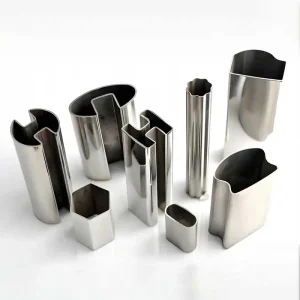
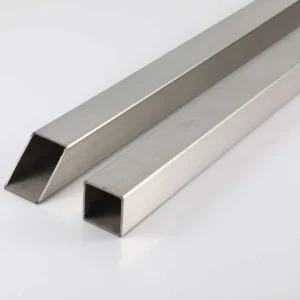
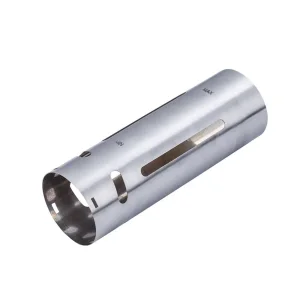
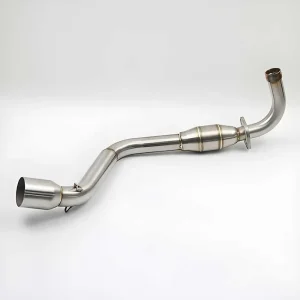
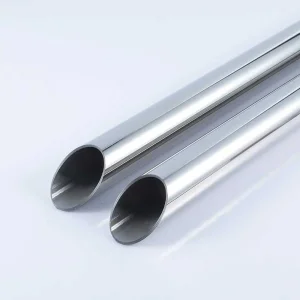
In modern advanced manufacturing, structural integrity and surface physics dictate component performance. An Electropolished Embossed Tube represents a sophisticated convergence of mechanical roll-forming deformation and controlled electrochemical surface finishing. While traditional mechanical polishing leaves microscopic directional scratch patterns, embedded abrasive grit, and localized micro-strain layers, electropolishing selectively dissolves the micro-peaks of the metal substrate. When integrated with high-precision mechanical embossing—which cold-works the tube wall to introduce geometric patterns—the result is a structural tube engineered for maximum corrosion resistance, superior tactile aesthetics, optimized fluid flow dynamics, and elevated rigidity.
Electropolishing (EP) operates as an anodic dissolution process within a temperature-controlled acid bath (typically phosphoric and sulfuric acid mixtures) subjected to a direct current (DC) electrical field. Under precisely regulated voltage and current density, the rate of metal dissolution is significantly higher at microscopic crests than in valleys. This process achieves a surface micro-smoothness down to Ra < 0.1 µm (4 µin), simultaneously removing free iron and enriching the surface passive film with a chromium-to-iron (Cr/Fe) ratio exceeding 1.5. When this finish is applied over relief-embossed profiles, it creates a surface that is non-contaminating, highly cleanable, aesthetically stunning, and structurally resilient.
Electrochemical smoothing preferentially dissolves microscopic peaks, eliminating micro-burrs and micro-cracks while establishing an ultra-smooth boundary layer that resists bacterial adhesion and particle entrapment.
Removes free iron from cold-working and embossing steps, increasing oxide film thickness up to 50 Å. Boosts Pitting Resistance Equivalent Number (PREN) performance under harsh environments.
Geometric texturing increases second moment of area and flexural rigidity without increasing wall thickness or weight, offering high strength-to-weight optimization for structural frameworks.
| Finish / Processing Method | Surface Roughness (Ra) | Chromium / Iron Ratio (Cr/Fe) | Salt Spray Corrosion Resistance | Fatigue & Strength Profile |
|---|---|---|---|---|
| As-Welded Mill Finish (ASTM A554) | 0.8 – 1.6 µm | 0.5 – 0.8 | 96 Hours (Baseline) | Standard Yield Strength |
| Mechanical Polished (600# Mirror) | 0.2 – 0.4 µm | 0.8 – 1.0 | 240 Hours | Surface Micro-strain Layer Present |
| Mechanical Embossed (Unpolished) | 0.6 – 1.2 µm | 0.6 – 0.9 | 168 Hours | Work-Hardened Pattern (+15% Rigidity) |
| Electropolished Embossed Tube (Vertex Standard) | < 0.10 µm | > 1.50 | 500+ Hours (NSS ISO 9227) | Work-Hardened + Micro-Stress Relieved |
Pioneering the Next Era of Electro-Chemical Surface Engineering and Laser-Embossing Technologies
As global manufacturing shifts toward zero-defect, high-purity, and low-carbon production models, the technology surrounding electropolished embossed tubing is undergoing continuous evolution. Factory 4.0 digitisation and ultra-precise metallurgical monitoring are setting new benchmarks for quality control.
Next-generation facilities are transitioning from continuous direct current (DC) to high-frequency Pulsed Electropolishing (PEP). PEP utilizes microsecond pulse cycles to manipulate the electrical double layer at the metal interface. This eliminates micro-pitting, reduces chemical electrolyte consumption by 35%, and allows uniform surface levelling even within deep embossed recesses where conventional DC current density drops off.
Environmental compliance is an absolute mandate. Modern electro-chemical lines feature zero-discharge acid recovery systems, utilizing membrane electrolysis to continuously extract dissolved iron, nickel, and chromium from the electropolishing bath. Acid solutions are recycled in closed loops, achieving 99% chemical retention while eliminating toxic sludge generation.
By embedding laser displacement sensors and spectral cameras directly along the continuous mill lines, inline visual algorithms scan 100% of the tube surface. The AI system measures embossing depth, pitch uniformity, and post-electropolish reflectance in real-time, instantly adjusting electrical current density and mill speeds to prevent dimensional drift.
Future technical iterations integrate Physical Vapor Deposition (PVD) titanium/zirconium nitride coatings over electropolished embossed substrates. This creates ultra-hard, scratch-resistant, bioactive, or anti-fingerprint surfaces capable of withstanding extreme abrasive wear in commercial, architectural, and medical settings.
How electropolished embossed tubing solves critical operational challenges across key global sectors.
In sterile liquid handling, food processing, and medical device manufacturing, bacterial colonization (biofilm formation) is the primary contamination risk. Standard mechanical grit polishing creates microscopic crevices where proteins and microbes shelter from Clean-In-Place (CIP) chemicals.
Electropolishing removes these micro-pockets, reducing biofilm adhesion rates by up to 99.8%. The embossed patterns on outer surfaces improve thermal exchange efficiency in double-pipe heat exchangers by breaking boundary layer stagnation without compromising internal smoothness.
Architects and luxury interior designers face a continuous challenge with high-traffic metal surfaces: fingerprint staining, smudging, and visible micro-scratches on flat mirror-polished stainless steel. Electropolished embossed tubing offers a tactile, light-refracting textured surface that conceals wear, resists smudging, and delivers a premium metallic sheen for balustrades, hotel lobby installations, retail displays, and high-end home furniture.
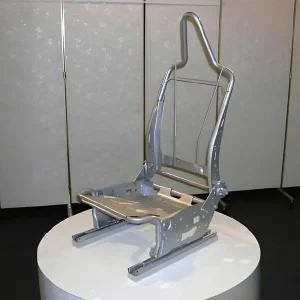
For vehicle grab rails, marine yacht hardware, and seating structural frames, weight reduction must not compromise yield strength. The embossed profile cold-works the tube material, allowing engineers to specify thinner tube wall thicknesses (e.g., reducing wall thickness from 1.5mm to 1.2mm) while maintaining equivalent torsional rigidity. Electropolishing guarantees that salt spray exposure in marine environments will not trigger chloride pitting at weld joints or pattern edges.
Fluid turbulence along heat transfer walls significantly improves the overall convective heat transfer coefficient. Embossed internal/external ridges induce vortex shedding, destroying laminar thermal boundary layers. Electropolishing the heat exchanger tube lowers chemical fouling and fluid friction drag, maintaining high heat transfer rates over extended operating cycles.
Navigating global supply chains requires unequivocal technical parameters. When issuing Request for Quotation (RFQ) documentation for electropolished embossed stainless steel tubing, international procurement teams must align on the following material grades, dimensional tolerances, and test protocols:
| Parameter | Standard Specification Options | Engineering Significance & Target Application |
|---|---|---|
| Austenitic Stainless Grades | AISI 304, 304L, 316, 316L, EN 1.4301, EN 1.4404 | 304 for general indoor/architectural use; 316L (with 2-3% Mo) for marine, chemical & saline environments. |
| Ferritic / Structural Grades | AISI 201 (High-Cu), AISI 409L, 430 | Cost-effective options for dry indoor storage racks, decorative indoor trims, automotive exhaust systems. |
| Outer Diameter (OD) Range | 6.0 mm up to 219.1 mm (0.25" to 8.625") | Precision roll-formed to fit standard structural clamps, fittings, and automated bending mandrels. |
| Wall Thickness (WT) Tolerance | 0.4 mm to 4.0 mm (± 8% tolerance control) | Strict wall thickness consistency guarantees reliable CNC laser slotting and localized structural calculations. |
| OD Dimensional Tolerance | Standard: ±0.10 mm | Precision EP Run: ±0.05 mm | Prevents ovality and slop when assembling telescopic grab bars, hardware fittings, or roller shells. |
| Pattern Depth & Pitch | Embossing depth: 0.15 mm – 0.80 mm (Customizable) | Sized precisely to optimize tactile grip, structural rigidity, and aesthetic refraction without thinning wall seam. |
| Surface Roughness (Inner/Outer) | Outer Ra ≤ 0.10 µm | Inner Bore Ra ≤ 0.4 µm | Exceeds sanitary standards; ensures zero plating peeling, zero bacterial retention, and effortless cleaning. |
| Applicable Standards | ASTM A554, ASTM A249, ASTM A269, EN 10217-7, JIS G3446 | Complies with global pressure, structural, structural ornamental, and sanitary code compliance. |
Vertical Integration in Foshan Stainless Steel Hub: From Raw Strip Slitting to Automated Electropolishing
Situated in the heart of China’s stainless steel processing center—Shishan Town, Nanhai District, Foshan—our facility bridges raw material procurement with precision secondary machining. Unlike trading intermediaries or fragmented subcontractors, our end-to-end operational structure eliminates supply chain friction, protects batch finish consistency, and drastically reduces lead times.
We source prime stainless steel master coils exclusively from top-tier mills (TISCO, POSCO, Baosteel). In-house slitting ensures burr-free edges, eliminating strip micro-cracks before forming.
Cold-roll forming dies shape the profile while synchronized hardened steel embossing rollers imprint uniform geometric textures onto the outer surface with micron-level depth accuracy.
Automatic high-frequency plasma/TIG welding with inner nitrogen gas purge shields the melt pool from oxygen, completely eliminating internal oxidation scale (black weld line).
Tubes are immersed in continuous dipping baths with computerized DC current regulation, dissolving micro-peaks, removing weld heat-tint, and forming an ultra-pure chromium oxide passive layer.
100% online eddy current testing detects weld voids or micro-fissures. Laser micrometer measuring guarantees outer diameter, ovality, and wall thickness tolerance adherence.
Each tube is individually wrapped in protective poly sleeves to preserve electropolished finish, then packaged into reinforced wooden cases or steel frames for ocean freight transit.
Securing raw components from international factories requires full traceability and rigorous regulatory compliance. We provide complete documentation packages and tailored logistics support for multinational procurement teams:
Every shipment includes heat-traceable Mill Test Certificates (MTC) documenting chemical composition (spectrometer analysis), yield/tensile strength, elongation percentage, flattening test, and expansion test results.
Full audit compliance with Pressure Equipment Directive (PED 2014/68/EU), RoHS 3, REACH regulations, and ISO 9001:2015 quality management benchmarks for seamless import acceptance across EU, North America, and APAC.
We offer multilingual engineering assistance (English/Chinese) for custom drawing reviews, mold design, pre-shipment sample dispatch, and complete Door-to-Door Delivered Duty Paid (DDP) logistics handling.
Direct answers from our senior metallurgical engineers and export directors.
Complementary stainless steel tube profiles engineered for heavy manufacturing, transport, and sanitary OEM markets.