VertexFlow Tubes stainless steel tube manufacturer logo VertexFlow TubesPrecision SS Tubing
Industrial Technical Whitepaper

High-Quality SS 304 Welded Pipe Suppliers & Factories

Comprehensive Technical Engineering Guide, Global Sourcing Framework, Metallurgical Specification Analysis & Foshan Manufacturing Cluster Advantages

Featured Inventory

Precision Stainless Steel Tubing Portfolio (Top Tier Selection)

Direct mill supply of ASTM A554, ASTM A249, and sanitary specification welded pipes for architectural, medical, and industrial automation deployments.
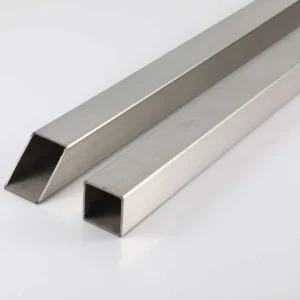
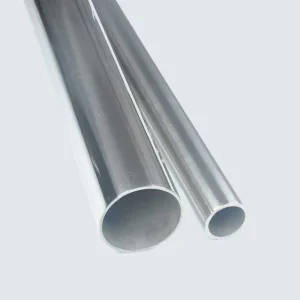
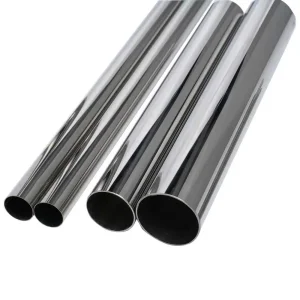
High-Quality Medical Grade Stainless Steel Tubing for Hospital Furniture Factories
High-Quality Medical Grade Stainless Steel Tubing for Hospital Furniture Factories, Factory
View Product Specs
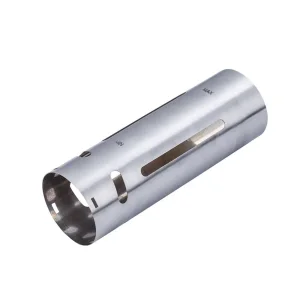
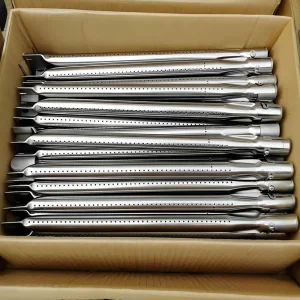
OEM Stainless Steel Gas Grill Burner Tubes Supplier
OEM Stainless Steel Gas Grill Burner Tubes (OEM & Aftermarket) Supplier, Factory
View Product Specs
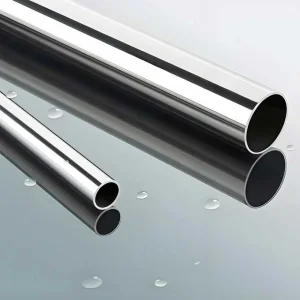
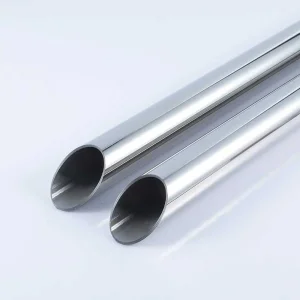
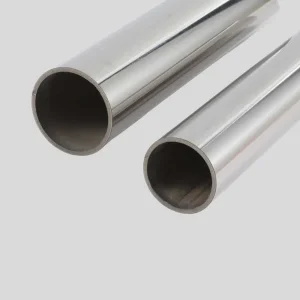
ASTM A554 Stainless Steel Round Tubing
High-Quality ASTM A554 Stainless Steel Round Tubing (Ornamental & Structural) Manufacturer, Suppliers
View Product Specs
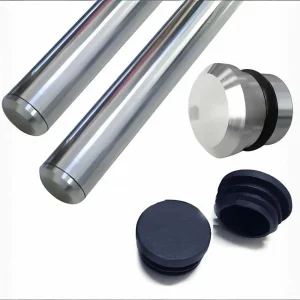
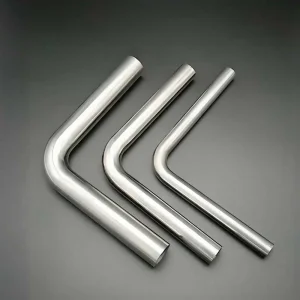
Medical Safety Grab Bars Stainless Tubing
High-Quality Stainless Steel Tubing for Medical Safety Grab Bars Manufacturer, Supplier
View Product Specs
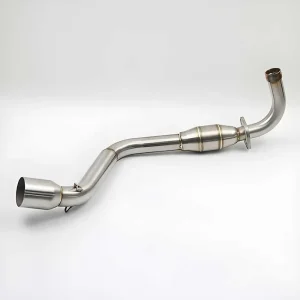
Automotive Exhaust Muffler Tubing 409L 304
High-Quality Automotive Exhaust & Muffler Tubing (409L / 304) Suppliers, Factories
View Product Specs
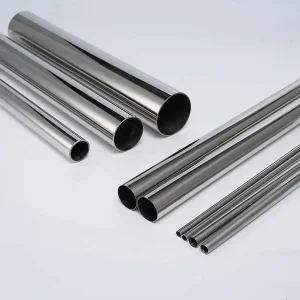
Handrail Balustrade Tubing ASTM A554
High-Quality Stainless Steel Handrail & Balustrade Tubing (ASTM A554) Manufacturers, Factory
View Product Specs
Marine Grade 316L Stainless Steel Tubing
ODM Marine Grade 316L Stainless Steel Tubing Manufacturer, Suppliers
View Product Specs
Home Appliances Electric Tools Stainless Steel Tubing
OEM Stainless Steel Tubing for Home Appliances & Electric Tools Factories, Factory
View Product Specs
Technical Deep-Dive

Executive Engineering Overview: Metallurgical & Chemical Precision of SS 304 Welded Pipes

Understanding the interplay between Chromium-Nickel ratios, weld seam decay, and passive oxide film formation in industrial applications.

In global engineering and industrial procurement, Grade 304 Stainless Steel (UNS S30400 / EN 1.4301) represents the cornerstone of austenitic alloy applications. Operating at the intersection of high mechanical tensile strength, versatile formability, and reliable intergranular corrosion resistance, 304 welded pipes are critical components in architecture, sanitary fluid transport, automotive exhaust, and structural frames.

Information Gain: Why Weld Seam Chemistry Matters More Than Nominal Grade

Many procurement specialists evaluate SS 304 pipes solely on bulk chemical certificates. However, during the TIG (Tungsten Inert Gas) or High-Frequency Plasma welding process, local thermal vaporization can alter the Chromium (Cr) and Nickel (Ni) distribution along the heat-affected zone (HAZ). Leading Chinese mills utilize in-line inner nitrogen purge shielding (99.999% purity) to prevent root-side chromium carbide precipitation ($Cr_{23}C_6$), preserving chromium levels above 18.00% right across the seam.

Chemical Composition Equilibrium

SS 304 requires Chromium (18.0–20.0%) and Nickel (8.0–10.5%). Adequate Nickel stabilizes the austenitic matrix, ensuring non-magnetic behavior in annealed states and maximum cryogenic toughness down to -196°C.

Passive Oxide Layer Integrity

Corrosion resistance is driven by an ultra-thin (1–3 nm) $Cr_2O_3$ passive layer. Our precision roll-forming and bright annealing preserve surface purity to enable spontaneous re-passivation when exposed to oxygen.

Work Hardening & Ductility

Controlled carbon levels (≤0.07%) coupled with low yield-to-tensile ratios enable 90° to 180° rotary draw bending without micro-cracking along the outer extrados curve.

Element / Spec ASTM A554 (Ornamental/Structural) ASTM A249 / A269 (Boiler/Sanitary) EN 10217-7 (Pressure Purposes) VertexFlow Precision Standard
Chromium (Cr) 18.00% – 20.00% 18.00% – 20.00% 17.50% – 19.50% 18.10% – 18.50% Guaranteed
Nickel (Ni) 8.00% – 10.50% 8.00% – 11.00% 8.00% – 10.50% 8.05% – 8.20% Optimized
Carbon (C) max 0.07% 0.08% 0.07% ≤ 0.04% (Low Carbon Yield)
OD Tolerance ±0.12 mm to ±0.30 mm ±0.10 mm Class D3/D4 (±0.5% or ±0.1mm) ±0.05 mm (Precision Runs)
Weld Seam NDT Visual / Dimension 100% Eddy Current or Hydrostatic 100% Eddy Current (EN 10246-2) Dual IR Inspection + 100% ECT
Manufacturing Hub Economics

The Foshan Industrial Advantage: Sourcing SS 304 Welded Pipes from China

Why Guangdong's stainless steel manufacturing ecosystem delivers unmatched lead times, mold capabilities, and cost efficiency for global buyers.

Vertical Integration from Mother Coil to Export Bundles

Foshan is recognized globally as the apex manufacturing cluster for stainless steel tubing. Rather than relying on fragmented sub-contractors, mills located in Shishan Town (Nanhai District) operate inside a high-density industrial ecosystem. Prime raw coils sourced directly from Tier-1 steel giants—such as TISCO, POSCO, and Baosteel—are slit, cold roll-formed, inline welded, polished, and packaged within tight geographical radiuses.

This vertical alignment drastically reduces logistics friction, minimizes internal scrap, and enables mill-direct pricing that trading intermediaries cannot replicate.

  • 500+ Existing Roll-Forming Toolsets: Immediate availability of square, rectangular, oval, capsule, and D-profile molds without upfront die charges.
  • 15-Day Production Lead Times: Rapid coil slitting and multi-line parallel running achieve fast turnaround on 20ft/40ft container loads.
  • Complete Secondary Fabrication: In-house CNC rotary bending, laser slotting, end flaring, necking, and punch press operations.

Foshan Cluster vs. Traditional Global Sourcing

1
Raw Material Traceability:

Direct heat-number tracking ensures 100% virgin stainless steel scrap ratio, preventing high-copper recycled 201 contamination in 304 runs.

2
Advanced Surface Polishing Scale:

Automated 4-pass polishing machines deliver uniform 600# mirror reflection or 180#/240#/320# satin grain line across 6-meter lengths with zero haze.

3
Export Logistics Infrastructure:

Proximity to Nansha, Yantian, and Hong Kong ports guarantees weekly shipping sailings with protective wooden frame or plastic-sleeved ocean packaging.

Capacity & Quality Metrics

Enterprise Sourcing Benchmarks

Quantitative validation metrics logged across 43 automated stainless steel tube production mills.

43+
Continuous Mills
±0.05mm
Precision OD Tolerance
500+
Special Shape Molds
100%
Eddy Current Inspection
Application Matrix

Macro Industrial Solutions & Sector-Specific Applications

How tailored dimensional specifications and surface treatments solve critical operational challenges in global markets.

Architectural & Structural Balustrades

Challenge: Surface staining, tea-staining in high humidity, and joint misalignment on field installations.
Solution: ASTM A554 round and square SS 304 tubing with 600# mirror polish or 320# satin finish. Squareness controlled to ±0.5° ensures crisp mitre joints without shimming.

Sanitary & Medical Equipment

Challenge: Bacterial retention inside rough internal weld beads and plating peeling on grab bars.
Solution: Smooth internal bead planishing combined with electro-polished or PVD coated finishes holding internal roughness Ra ≤ 0.4 µm for hospital furniture and safety bars.

Automotive Exhaust & Structural Chassis

Challenge: Thermal fatigue cracking under high exhaust gas pressure and cyclic vibration.
Solution: High-frequency welded 304 and 409L tubing engineered for thermal stability up to 800°C, providing superior fatigue resistance for catalytic converter shells and muffler sleeves.

Hygienic Conveyor Rollers & Automation

Challenge: High total indicator runout (TIR) causing roller vibration in high-speed packaging lines.
Solution: Low-TIR SS 304 tubing holding straightness to 1 mm/m and wall uniformity to ±8%, eliminating vibration and preventing dynamic belt wear in food processing plants.

Commercial Kitchen & Gas Appliance Tubes

Challenge: Gas oxidation and structural warping near high-temperature burner manifolds.
Solution: Precision-cut OEM SS 304 burner tubes tested under hydrostatic and pneumatic pressures to guarantee 100% leak-free performance in commercial gas grills and heaters.

Cleanroom Modular Racks & Lean Storage

Challenge: Plastic-coated pipes peeling, shedding micro-particles, and harboring bacteria in cleanrooms.
Solution: Solid SS 304 28mm lean pipes withstand continuous washdowns with chemical disinfectants, offering zero particulate shedding for pharmaceutical environments.

E-E-A-T Sourcing Governance

Quality Assurance Protocols & NDT (Non-Destructive Testing) Standards

Eliminating operational risk through multi-stage inline inspection, chemical spectroanalysis, and mill test traceability.

To comply with global engineering standards (such as ASTM, DIN, EN, and JIS), professional suppliers enforce strict non-destructive and destructive testing matrixes before dispatching containerized shipments.

Non-Destructive Inspection (NDT)

  • Inline Infrared Weld Monitoring: Thermal imaging sensors scan the molten weld pool continuously to detect instantaneous arc drops or voltage fluctuations.
  • Eddy Current Testing (ECT): Detects internal pinholes, micro-cracks, and lack of penetration per ASTM A1016 / EN 10246-2 standards without damaging the pipe surface.
  • Laser Dimensional Scanning: Triangulation lasers capture Outside Diameter (OD) and Wall Thickness (WT) variations across 360 degrees every 10 milliseconds.

Destructive & Mechanical Verification

  • Flattening & Flaring Tests: Pipe samples are flattened until walls meet, or flared by 60° over a cone to prove weld ductility and joint seam integrity.
  • Intergranular Corrosion Testing: ASTM A262 Practice E oxalic acid etching proves absence of chromium-depleted grain boundary networks.
  • PMI (Positive Material Identification): X-ray Fluorescence (XRF) spectro-analyzers verify elemental percentages on every master bundle before banding.
Future Outlook

Industry Trends: AI-Driven QC & Decarbonized Stainless Steel Production

How modern Chinese tube mills are leveraging smart technology and green metallurgy to meet global Scope 3 carbon mandates.

AI Optical Inspection

Machine-vision camera arrays inspect polished surfaces at line speeds of 60m/min, automatically flagging minor scratches, pits, or satin line skips with 99.8% precision.

Hydrogen Bright Annealing

Transitioning from traditional ammonia dissociator atmosphere furnaces to 100% pure green hydrogen atmosphere annealing eliminates surface nitriding and cuts carbon emissions.

PVD Ion Sputtering Thin-Films

Physical Vapor Deposition (PVD) applies 0.3–0.5 µm ceramic metallic coats (Rose Gold, Black Titanium, Brass) offering UV stability and superior scratch resistance over wet paint.

Technical FAQ

Frequently Asked Questions: SS 304 Welded Pipe Sourcing & Metallurgy

In-depth technical answers curated by senior metallurgical engineers and export quality compliance directors.

What is the critical difference between SS 304 welded pipe and SS 304L welded pipe?
The fundamental distinction resides in carbon content. Standard SS 304 allows a maximum carbon content of 0.07% (or 0.08% under certain standards), whereas SS 304L limits carbon to a maximum of 0.030%. In heavy-wall welding applications where post-weld heat treatment (solution annealing) is impractical, the lower carbon level of 304L prevents chromium carbide precipitation in the 450°C–850°C sensitization temperature range. This eliminates intergranular corrosion risk along the weld line. For thin-wall ornamental and mechanical tubing (wall thickness < 3.0mm), dual-certified 304/304L material is commonly supplied.
Why do 304 stainless steel pipes occasionally show weak magnetic attraction?
While SS 304 is fully austenitic and non-magnetic in a fully solution-annealed state, cold mechanical processing (such as roll forming, tube bending, or high-intensity polishing) induces a partial phase transformation from austenite to deformation martensite. Martensite is ferromagnetic. This weak magnetic response is a natural consequence of mechanical cold work and does not indicate material contamination or inferior grade. Solution annealing at 1040°C–1100°C followed by rapid quenching dissolves the martensite back into pure non-magnetic austenite.
How does SS 304 perform in coastal or high-chloride environments compared to SS 316L?
SS 304 contains no added Molybdenum (Mo) and possesses a Pitting Resistance Equivalent Number (PREN) of approximately 18–19. In coastal zones where marine aerosols contain high concentrations of chloride ions ($Cl^-$), the passive chromium oxide film on 304 can suffer localized breakdown, resulting in pitting corrosion and brown surface "tea-staining". For marine environments within 5 km of seawater, SS 316L (containing 2.0–3.0% Molybdenum, PREN ~ 23–25) is recommended. However, passivated and clear-lacquered SS 304 can be safely utilized for inland architectural structures.
What dimensional tolerances can Foshan precision factories maintain on custom profiles?
Standard mill runs conform to ASTM A554 tolerances (Outside Diameter ±0.12mm to ±0.30mm). However, specialized precision production lines equipped with online laser micrometers achieve tolerances of ±0.05mm on Outside Diameter, ±8% on Wall Thickness, and straightness within 1.0mm per 1000mm length. For square and rectangular sections, corner radius ($R$) can be specified as standard ($1.5 \times T$ to $2.0 \times T$) or sharp radius ($1.0 \times T$) with squareness held within ±0.5°.
What causes weld seam cracking during 90-degree tube bending and how can it be avoided?
Weld seam cracking typically stems from three root causes: (1) Excessive weld bead elevation creating localized stress concentrations; (2) Inadequate elongation properties in unannealed or over-work-hardened raw strip; or (3) Orienting the weld seam directly on the outer tension radius (extrados) during bending. To prevent failure, specify "bending grade" material with minimum 40% elongation, request inline seam planishing (smoothing), and ensure your CNC mandrel bender positions the weld seam 90 degrees away from the tension curve along the neutral axis.
What is the standard production minimum order quantity (MOQ) and packaging standard for export?
Standard MOQ for common round, square, and rectangular OD sizes in 304 grade is 500 kg per size/finish. For custom special shapes or PVD ion colors requiring specialized tooling setups, MOQ is typically 1,000 kg. Export packaging utilizes individual protective PE sleeve wrapping, woven bundling, and reinforced wooden crates or steel skid frames designed for forklift unloading and prevention of sea-freight transit friction.
Extended Product Directory

Specialized & Custom Pipe Solutions (Bottom Tier Selection)

Explore our extended series of conveyor rollers, special-shaped profiles, seat structural tubing, and sanitary precision pipes.
Conveyor Rollers Stainless Steel Tubing
OEM Stainless Steel Tubing for Conveyor Rollers Manufacturers, Suppliers
View Product Specs
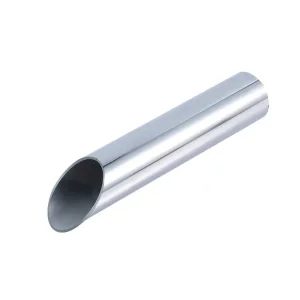
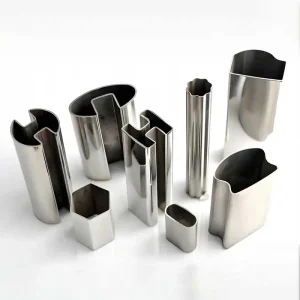
Oval Special Shaped Stainless Tubing ASTM A554
OEM ASTM A554 Stainless Steel Oval & Special Shaped Tubing Manufacturers, Supplier
View Product Specs
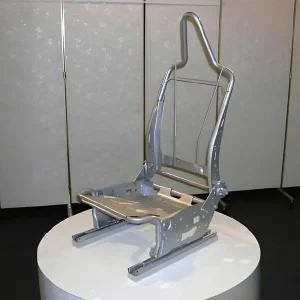
Automotive Structural Tubing for Seats Chassis
Wholesale Automotive Structural Tubing for Seats & Chassis Manufacturers, Manufacturer
View Product Specs
Industrial Racks Workstations Stainless Tubing
OEM Stainless Steel Tubing for Industrial Racks & Workstations Manufacturer, Factories
View Product Specs
Sanitary Grade Precision Stainless Steel Tubing
China Sanitary Grade Precision Stainless Steel Tubing Manufacturers, Manufacturer
View Product Specs
Decorative Stainless Steel Tubing for Furniture 201 304
China Decorative Stainless Steel Tubing for Furniture (201 & 304) Manufacturer, Supplier
View Product Specs
Stainless Steel Tube Fabrication CNC Machining
China OEM Stainless Steel Tube Fabrication & CNC Machining Manufacturers, Suppliers
View Product Specs
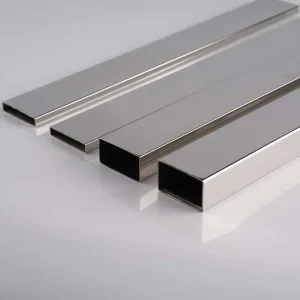
ASTM A554 Square Rectangular Stainless Tubing
ODM ASTM A554 Stainless Steel Square & Rectangular Tubing Supplier, Factory
View Product Specs