Engineered for architectural, medical, automotive, and heavy-duty industrial modular systems.
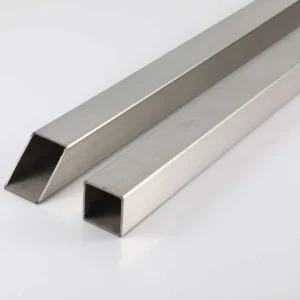
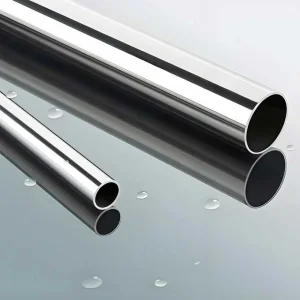
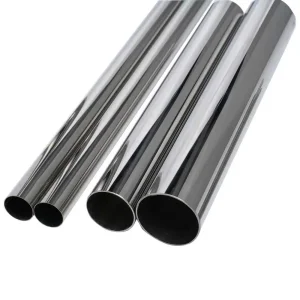
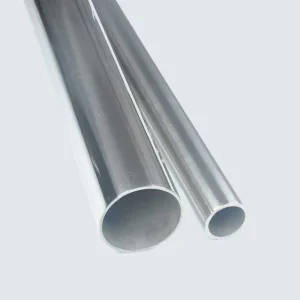
An in-depth metallurgical and structural analysis of high-density production environments, total cost of ownership (TCO), and cleanroom compliance.
Traditional lean systems relied heavily on ABS/PE plastic-coated carbon steel pipes (28mm outer diameter). Over time, ambient heat, mechanical impacts, and chemical exposure lead to plastic delamination, micro-cracking, and subsurface oxidation. ODM Stainless Steel Lean Pipes (specifically Grade 304 and 316L) eliminate coating reliance entirely. By utilizing cold-rolled precision welded austenitic stainless steel conforming to ASTM A554 standards, structural yield strengths exceed 205 MPa with ultimate tensile strength reaching up to 515 MPa. This structural stability enables up to 300% higher payload capacity on continuous modular flow racks without beam deflection.
While plastic-coated iron pipe systems present lower initial procurement costs, their total lifecycle cost in high-throughput industrial facilities is vastly inferior. Frequent delamination requires total replacement within 12 to 18 months in active automotive or semiconductor plants. Stainless steel lean pipes deliver a lifespan exceeding 15+ years under rigorous washdowns and heavy mechanical usage. Furthermore, 100% recyclability aligns with global ISO 14001 Environmental Management mandates and Scope 3 carbon reduction objectives.
| Performance Characteristic | Plastic-Coated Iron Lean Pipe | Aluminum Alloy Lean Pipe | ODM Stainless Steel Lean Pipe (304/316L) |
|---|---|---|---|
| Structural Load Limit (per 1m span) | 100 kg - 150 kg | 120 kg - 180 kg | 350 kg - 500+ kg |
| Cleanroom Class Compatibility | Class 10,000 (Risk of peeling) | Class 1,000 | Class 10 / ISO Class 4 Compliant |
| Corrosion & Chemical Resistance | Poor (Delaminates in moisture) | Moderate (Anodized layer wears) | Superior (Resists Acid, Alkali, Chlorides) |
| ESD Electrostatic Discharge | Requires specialized ESD plastic | Naturally Conductive | Inherently Grounded (10^3 to 10^5 Ω) |
| Joint Holding Force | Moderate (Plastic deforms under pressure) | High | Maximum (Metal-to-Metal Steel Friction) |
From microchip wafer fab cleanrooms in Taiwan to high-speed automotive assembly hubs in Stuttgart and Detroit.
In ISO Class 4 and Class 5 microelectronics facilities, particulate contamination is a multi-million-dollar risk. Plastic-coated pipes shed micro-plastics due to friction from metal connectors. Precision passivated 304/316L stainless steel lean pipes (with surface roughness Ra ≤ 0.4 µm) produce zero outgassing and micro-particles, making them ideal for wafer transport carts, laminar flow hoods, and gowning room storage.
Modern electric vehicle battery module assembly lines require heavy-duty modular flow racks capable of handling dense lithium battery packs. ODM Stainless Steel Lean Pipe systems feature custom wall thicknesses (1.2mm, 1.5mm, to 2.0mm) that resist dynamic load shocks from AGVs (Automated Guided Vehicles) and robotic arm pick-and-place stations.
High-humidity sterile environments require frequent chemical washdowns using sodium hypochlorite or isopropyl alcohol. Conventional structural steel instantly degrades. Grade 316L stainless steel lean pipes, containing 2–3% Molybdenum, offer exceptional pitting corrosion resistance against active chloride ions, ensuring full compliance with FDA and GMP sanitary guidelines.
Static discharge can ruin SMT (Surface Mount Technology) components. Stainless steel lean pipes provide continuous electrical conductivity across outer surfaces, grounding static build-up instantly through nickel-plated die-cast joints without requiring anti-static chemical sprays or conductive rubber coatings.
Non-porous stainless lean tubing eliminates harbor points for bacterial buildup (such as Listeria or E. coli). Fully enclosed plasma-welded seams prevent fluid ingress into the internal tube bore during daily high-pressure steam cleaning cycles.
Modern distribution warehouses utilize modular lean structures mounted on automated sorting shuttles. High vibrational fatigue resistance ensures that structural joints retain clamping torque over millions of operational acceleration and deceleration cycles.
How smart manufacturing, AI-driven CAD customization, and metallurgical innovation are redefining modular shop-floor structures.
The next frontier in lean manufacturing is the transformation of passive lean pipe structures into intelligent physical assets. Future ODM stainless steel lean pipes are being engineered with hollow-core channels designed for embedded micro-strain gauges, RFID tracking sensors, and IoT payload indicators. These sensors monitor real-time rack weight distribution, alert maintenance teams to structural overloads, and automatically log inventory movement on gravity-fed FIFO (First-In, First-Out) flow racks.
Joint slippage under dynamic load has historically required re-tightening maintenance. The development of 4th-generation cold-forged stainless steel structural joints—featuring micro-grooved internal teeth and laser-etched torque indicators—ensures zero vertical slippage even under dynamic vibratory loads exceeding 2.5G.
Advanced electropolishing coupled with citric-acid nanoscale passivation creates an ultra-smooth chromium-rich surface film (Cr2O3 depth > 30 Ångströms). This innovation drops surface roughness values below Ra 0.15 µm, rendering the pipe impervious to aggressive disinfectant chemicals used in Class 1 pharmaceutical cleanrooms.
R&D Focus Statement: "Our ODM technical roadmap focuses on reducing total rack assembly weight by 22% through high-yield thin-wall profiling while simultaneously boosting structural torsional rigidity by 40%."
Leveraging Foshan’s world-class stainless steel industrial cluster to deliver unmatched quality control, cost efficiency, and lead times.
Located in the heart of Foshan, Guangdong—China’s stainless steel manufacturing hub—our facilities secure direct primary coil stock from tier-one stainless steel producers including TISCO, POSCO, and Baosteel. This guarantees 100% chemical purity, verifiable Heat Trace numbers, and eliminates intermediate distributor markups.
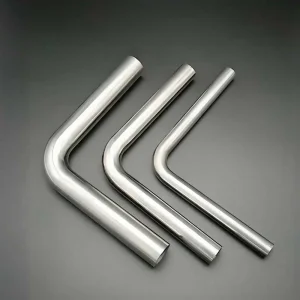
Our 12,000 m² manufacturing ecosystem integrates slitting, automatic plasma roll welding, inner-seam leveling, laser cutting, CNC tube bending, and surface polishing. Operating 43 production mills under one roof gives us total control over wall-thickness uniformity, ovality tolerance, and seam integrity.
Proximity to Shenzhen and Guangzhou deep-water ports enables seamless global maritime logistics. Standard 15-day production lead times and specialized protective bundle packing (individual plastic sleeving + corrugated plastic framing) protect tubing against salt air and transit abrasion.
Regional adoption drivers, regulatory frameworks, and compliance standards governing stainless structural systems.
In the United States and Canada, OSHA workplace safety compliance, combined with ergonomic Lean Kaizen initiatives, is driving rapid replacement of legacy iron pipe systems. High labor costs make long-lasting, low-maintenance materials critical. Importers and industrial distributors require strict compliance with ASTM A554 dimensional standards and verifiable EN 10204 3.1 Material Test Certificates (MTC) to satisfy structural engineering audits.
European manufacturers operate under demanding REACH and RoHS environmental directives. Plastic-coated iron pipes contain phthalate plasticizers and PVC derivatives that face heavy regulatory scrutiny and disposal surcharges. Fully metallic stainless steel lean pipe solutions eliminate plastic polymer concerns entirely, offering a 100% recyclable path toward circular economy mandates.
End-to-end engineering collaboration, custom drawing reviews, and rigorous testing protocols.
Our experienced engineering team converts client SolidWorks or AutoCAD conceptual sketches into precise manufacturing blueprints. We analyze bending radii, load points, and wall-thickness requirements before slitting raw coil stock.
Every tube mill utilizes real-time eddy current flaw detection, online laser diameter measurement (holding ±0.05 mm tolerances), and automated hydrostatic seam integrity checks. Mechanical testing includes 90° flattening, flaring, and salt-spray testing exceeding 500 hours.
Every shipment is provided with a comprehensive quality dossier: Mill Test Certificates (MTC) conforming to EN 10204 3.1, chemical spectrographic heat reports, ISO 9001 quality compliance certificates, and CE / RoHS declarations.
Resolving key engineering, metallurgical, and procurement queries regarding ODM Stainless Steel Lean Pipe systems.
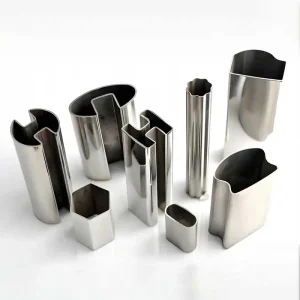
Specialized profiles, structural sections, and secondary CNC fabrication capabilities.