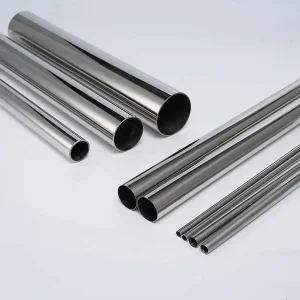
Direct factory wholesale inventory engineered for high structural integrity, exact wall tolerances, and superior surface finishing.
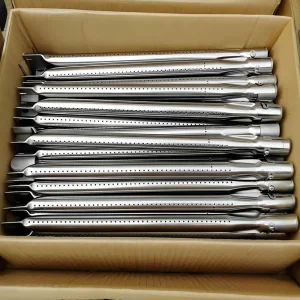
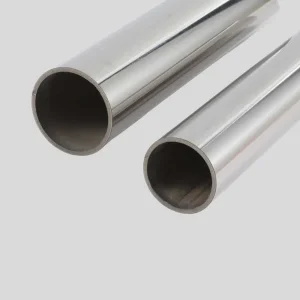
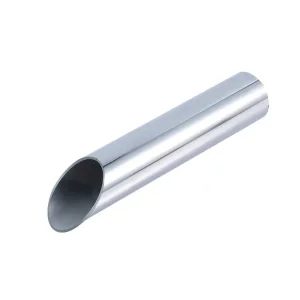
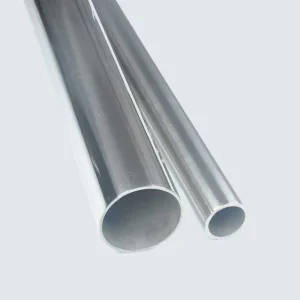
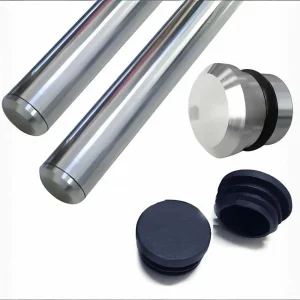
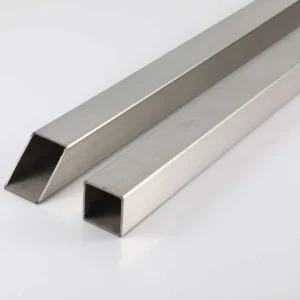
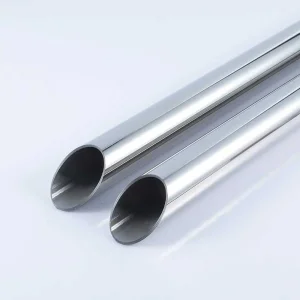
In the global industrial manufacturing supply chain, navigating the wholesale steel pipe rate 304 requires an analytical understanding of metallurgical composition, mill production capabilities, raw material index movements, and geopolitical trade dynamics. Grade 304 stainless steel (UNS S30400 / EN 1.4301) remains the definitive benchmark alloy across structural, architectural, sanitary, and industrial tubing applications due to its optimal balance of mechanical strength, corrosion resistance, and cold-working ductility.
However, B2B procurement teams frequently encounter vast rate disparities when soliciting factory quotes. Understanding the baseline cost structure—from high-grade cold-rolled stainless steel strip to automated TIG/Laser welding, online eddy-current inspection, and multi-stage surface polishing—is critical to securing cost-effective, audit-compliant piping solutions without sacrificing structural longevity.
The following technical cost matrix outlines factory wholesale baseline calculations based on outer diameter (OD), wall thickness (WT), manufacturing specification, and surface finish processing.
| Tube Profile / Specification | Standard Specs | Primary Application Field | Processing & Surface Finish | Wholesale Rate Index Factor |
|---|---|---|---|---|
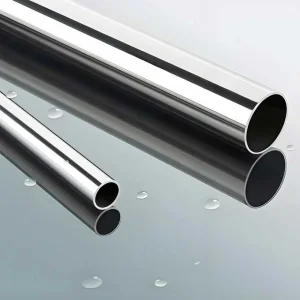
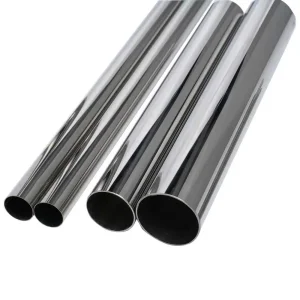
| ASTM A554 Round Tubing | OD: 9.5mm - 219mm | WT: 0.5 - 3.0mm | Balustrades, Handrails, Racks | 180# Satin / 600# Mirror / PVD | Baseline Standard (1.00x) |
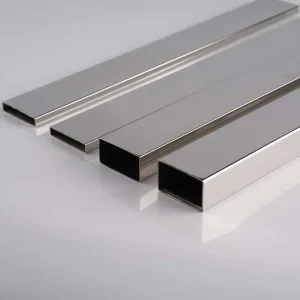
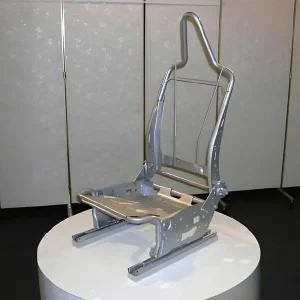
| ASTM A554 Square & Rectangular | 10x10mm to 150x150mm | WT: 0.6 - 4.0mm | Structural Frames, Furniture | Bright Annealed / Brushed No.4 | +3% - 5% Fabrication Premium |
| Sanitary Precision Tubing | OD: 12.7mm - 101.6mm | Ra ≤ 0.4μm | Food, Beverage, Pharma, Faucets | Internal Weld Bead Removed / Polished | +12% - 18% Precision Premium |
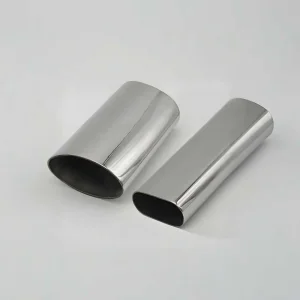
| Custom Profile & Oval Tube | Flat Oval, Elliptical, D-Shape | Modern Furniture, Automotive, Handles | Custom Roll-Forming / Annealed | +8% - 12% Tooling/Forming Adj. |
Strategic analysis of global supply chains, carbon border adjustments, and technical shifts influencing factory-direct wholesale pricing through 2030.
Nickel and Chromium market movements remain volatile. Premier factories utilize long-term coil supply agreements with integrated steel mills like TISCO, Baosteel, and POSCO to lock in stable 304 rates for large-scale enterprise contracts.
European Union Carbon Border Adjustment Mechanism (CBAM) regulations mandate complete carbon footprint tracking. High-efficiency factory mills adopting electric arc furnace (EAF) recycling minimize import tax penalties for global buyers.
Transitioning from conventional manual welding to continuous automated laser and high-frequency plasma welding lines reduces scrap rates down to <0.8%, lowering factory overhead and driving down volume wholesale rates.
To evaluate whether a factory's wholesale steel pipe rate 304 represents genuine value or hidden compromises, engineering teams must inspect the alloy's chemical matrix and mechanical performance limits. Grade 304 owes its exceptional atmospheric corrosion resistance to the formation of a self-healing, nanometer-thin chromium oxide passive layer (Cr2O3).
Strict chemical control during the steelmaking phase prevents localized pitting corrosion and guarantees high bending yield ratios without seam failure:
A major structural failure point in budget-grade welded 304 steel pipe is weld seam embrittlement and interior seam oxidation. Top-tier 304 factories utilize continuous argon-nitrogen inner-bore purge gas during high-speed plasma welding. Eliminating internal atmospheric oxygen during fusion prevents dark iron oxide crusting (often misidentified as rust), ensuring the interior bore retains its corrosion-resistant passive state.
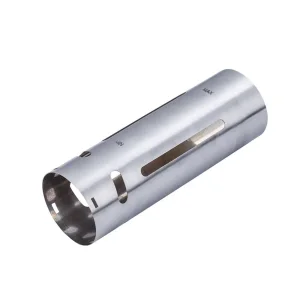
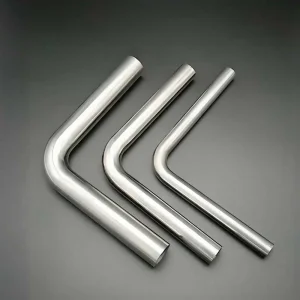
Furthermore, post-weld inline planishing levels the internal bead, enabling seamless sliding over mandrels for secondary CNC slotting, bending, end flaring, and necking processes.
How multi-national buyers mitigate procurement risk, optimize container payload capacities, and verify Mill Test Certificates (MTR).
Never rely on unverified factory price sheets. Reputable manufacturers bundle fully traceable EN 10204 3.1 Mill Test Certificates detailing specific heat numbers, chemical spectral analysis, and mechanical destruction test data per production run.
Maximized loading logic combines heavy wall structural pipes with nested small-diameter thin-wall tubing. Smart nesting reduces volume void spaces in 40ft HQ containers, effectively lowering landed sea freight costs by up to $18 per ton.
Export-ready packaging utilizes individual PE sleeve isolation, heavy-duty woven polypropylene outer wrapping, and reinforced iron-frame cradles to eliminate friction abrasion and sea-moisture salt fog during international shipping.
When procuring 304 steel pipe at scale, localized regulatory compliance ensures seamless customs clearance and structural approval across global destination markets. Leading Foshan tube manufacturers operate under strict ISO 9001:2015 quality management systems and produce tubing certified under major international standards.
Standard specification for ornamental and structural welded stainless steel tubing across North American markets.
European standard for welded steel tubes for pressure purposes, including strict non-destructive safety testing.
Japanese industrial standard covering stainless steel pipes for architectural, railing, and general structural building.
FDA and 3-A sanitary compliance for precision inner-polished 304 tubes used in food, beverage, and medical lines.
Next-generation technological advancements transforming steel pipe rate efficiency, surface quality, and dimensional tolerances.
Real-time closed-loop AI visual systems monitor outer diameter tolerances and surface gloss values across 43 mills simultaneously, auto-adjusting sizing rollers to lock in ±0.03mm precision runout.
Expanding physical vapor deposition (PVD) technology to coat 304 tube profiles with titanium ceramic layers (Rose Gold, Black Titanium, Brass), delivering superior UV-stable, scratch-resistant decorative finishes.
Transitioning upstream master coil supply toward hydrogen-reduced iron manufacturing, drastically lowering Scope 3 embodied carbon emissions while preserving 304's mechanical properties.
Direct answers to the most crucial technical and commercial questions raised by global enterprise buyers and metallurgical inspectors.
Explore our full range of structural hollow sections, automotive grade tubing, storage solutions, and marine-grade 316L profiles.